
Reviewed · WALKING TOURS
(Closed) Korea’s White House Walking Tour Blue House
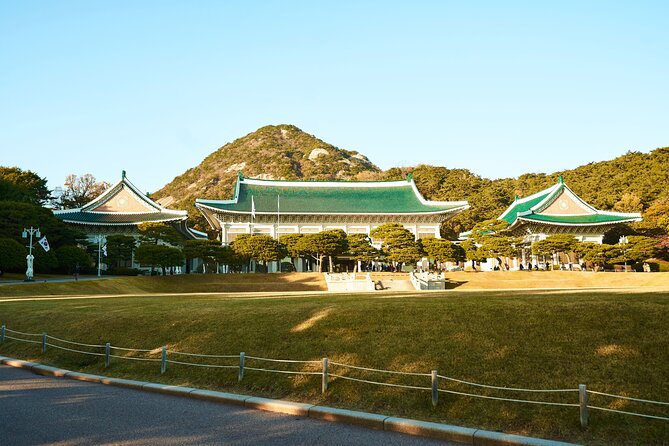
Blue House access is rare, and time-limited. This 2.5-hour walking tour gives reserved entrance to Cheong Wa Dae, with a licensed English guide, before public access wraps up in June. You’ll move through key buildings tied to more than 70 years of presidential life and decision-making, in a group capped at 9 guests.
I like that the format is small enough for real conversation, not just a march past photo spots. I also love the way guide Jungho brings the grounds to life through clear instructions and story-led explanations that connect buildings, politics, and everyday details you might otherwise miss. The one drawback to consider is simple: it’s a focused, limited-access visit, so you’ll want comfortable shoes and the flexibility to keep up with the walking pace.
Key highlights
- Reserved entry to Cheong Wa Dae so you don’t have to fight for access windows
- Max 9 guests for a quieter, more question-friendly pace
- Licensed English guide with strong storytelling and on-the-spot explanations
- Stop-by-stop route from guest-welcoming buildings to the former press area
- Peaceful breakpoints like Chimnyugak House, surrounded by trees
Why the Blue House Tour Feels Different From a Typical Seoul Sight
The Blue House, also called Cheong Wa Dae, has long been one of the hardest places in Seoul to visit. It served as the presidential residence and office for over 70 years, and for decades the gates were basically closed to everyone but a small circle of special guests. What makes this tour stand out now is that the public can access the area only until June, which adds a real sense of urgency to plan your dates.
Instead of treating Cheong Wa Dae like another landmark, this experience helps you read what you’re seeing. You’re not just looking at traditional roofs and formal halls. You’re learning why certain buildings were placed where they were, how spaces were used for diplomacy, official meetings, and press, and what the iconic blue-roof look became a symbol of.
I also appreciate that it is a walking tour, so you get to experience transitions between zones, not just one dramatic stop. You’ll be moving through guest-welcoming spaces, office history, residential privacy, quiet pavilion time, and the former press center. That flow matters because it matches how power and public life used to be organized on these grounds.
You can also read our reviews of more walking tours in Seoul


Your Best Reasons to Go, Especially if You Care About Context
If you’re the type who likes to understand what a place means before you start photographing it, this tour fits well. The grounds are full of small cues that make more sense when someone explains them: the purpose of each building, the layout of the area, and the way architecture supported formality and protocol.
You’ll also get a smoother experience because everything is handled for you on the key access part. The tour includes reserved entrance to Korea’s White House area, and the stops are planned so you can focus on the story rather than the scramble of figuring out what’s open and where to go next.
Two practical benefits help too. First, it runs for about 2 hours 30 minutes, so it’s not a half-day commitment. Second, the group limit of 9 means you’re less likely to feel lost while your guide is explaining details. You can actually hear, ask, and follow without constant shoulder-to-shoulder crowding.
Price and Value Check: What You’re Really Paying For
At $199 per person, this is not a budget add-on. So I’d frame the value like this: you’re paying for access, time-saving planning, and interpretation.
Cheong Wa Dae has historically been difficult to enter. This tour is built around a reserved entrance, and the itinerary is designed to work within what visitors can see. That alone can make the price feel more reasonable, because the alternative is often a lot of effort, uncertainty, or missed chances when access rules change.
Then there’s the human value. You get an English-speaking licensed guide who tells the story behind the architecture and political history. Based on guide feedback shared by past participants, the tours often hinge on how well the guide explains things. In particular, Jungho is praised for clear meeting instructions and strong conversational clarity, plus a knack for making explanations feel relevant rather than like a lecture.
Also, the schedule is efficient. You’ll hit multiple significant buildings in one outing, including office history, residential areas, and press-related space. That compact coverage is part of what makes the cost easier to justify, especially if this is your one shot at Cheong Wa Dae.
How the Small-Group Format Changes Your Experience
A max group of 9 travelers might not sound huge on paper, but it changes the whole feel.
In a small group, you’re more likely to get answers to questions instead of watching someone else ask. You can also hear better when your guide is explaining something like how a certain building was used for diplomatic visits, special guests, or official announcements. And because the tour is only 2.5 hours, you do not want to be in a large group that slows down, forces long waits, or turns every stop into a traffic jam.
This group size also supports pacing. The itinerary is structured, with short, specific stop times. That means you need a plan to listen quickly, absorb what you learn, and be ready to move on when the guide cues the next location. A smaller group makes that flow feel manageable instead of rushed.
One more subtle benefit: small groups often translate into better navigation. You’ll start at Gyeongbokgung Station and finish back there. If you like having the guide manage the route rhythm, you’ll likely find the experience less stressful than trying to piece together multiple official buildings on your own.
Stop-by-Stop: What You’ll See at Cheong Wa Dae
This tour moves through key parts of Cheong Wa Dae with short visits designed to give you the “what and why” in each area. Here’s how the day typically unfolds.



1) Yeongbingwan (Cheong Wa Dae Yeongbingwan), Guest-Welcome History
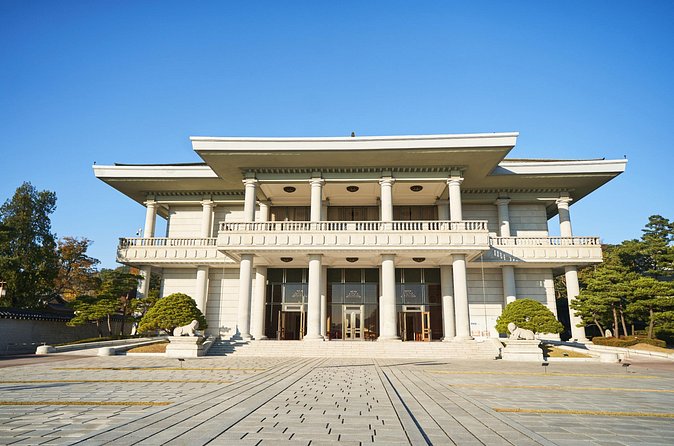
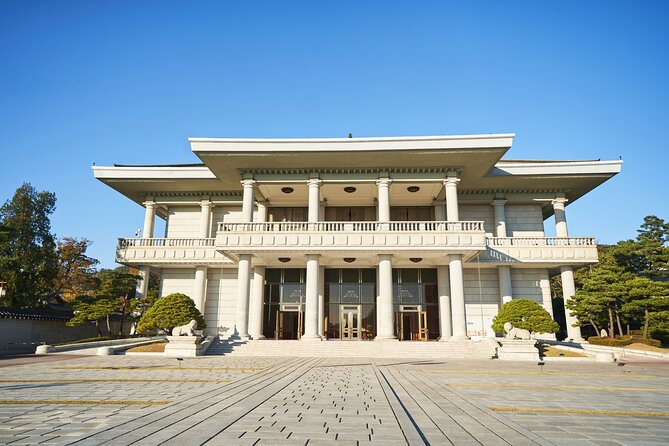
Your first stop is Cheong Wa Dae Yeongbingwan, a building used to welcome important international guests. This is the kind of place where diplomacy and ceremony mattered, including presidential visits with foreign leaders.
The building itself may look like a modern structure at first glance, but the key value here is what you learn about the role it played. It sets the theme of the whole tour: how formal spaces supported state-level relationships.
Practical tip: treat this stop as your warm-up. Listen closely to the guide’s framing, because it makes the later office and press areas easier to understand.
2) Main Blue House Building (Cheong Wa Dae), Where Decisions Happened
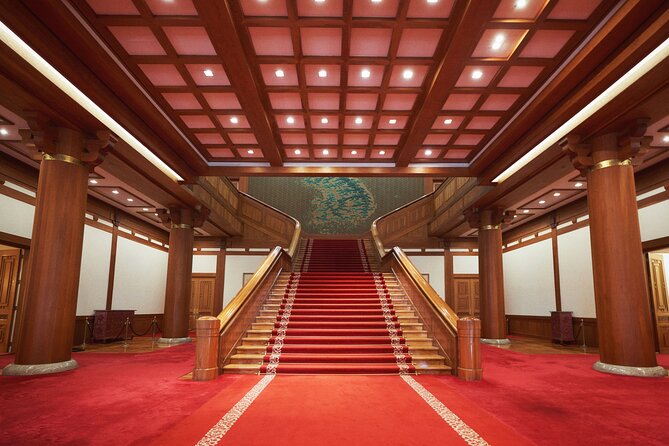
Next comes the main building, identified simply as the Blue House or Cheong Wa Dae. This is the center of presidential work, where important meetings took place and major decisions were made.
You’ll likely notice how the buildings project authority through their design and visual presence. The tour also highlights the famous blue roof as a government symbol. That detail matters because the roof is not just architecture, it’s branding for state identity.
Time is limited here, so focus on understanding the function rather than trying to memorize every angle for photos.
3) Former Main Office Area, A Look Back Before the Current Building
Stop three focuses on a prior office area, described as The Blue House (Cheong Wa Dae) and linked to the old main office before the current main building was built. This is where you start connecting “then and now.”
In practical terms, this stop helps you avoid a common mistake: viewing the Blue House as one fixed object. It’s a living site that evolved with changes in leadership and administration, and the tour uses these transitions to make that evolution feel clear.
4) Presidential Residence Zone, Privacy and Quiet
Stop four shifts away from office business and into residential space. The tour identifies this area as where the president and family lived, separated from the office side to protect privacy.
This is where the grounds start to feel calmer. The description emphasizes a quiet environment surrounded by trees, and the stop is short but intentional. You’re moving from public decision-making to private living, which is a big conceptual change even if you do not see the kinds of interiors you might expect.
If you want one stop that feels less formal, this is likely it.
5) Chimnyugak House, A Traditional Pavilion Break
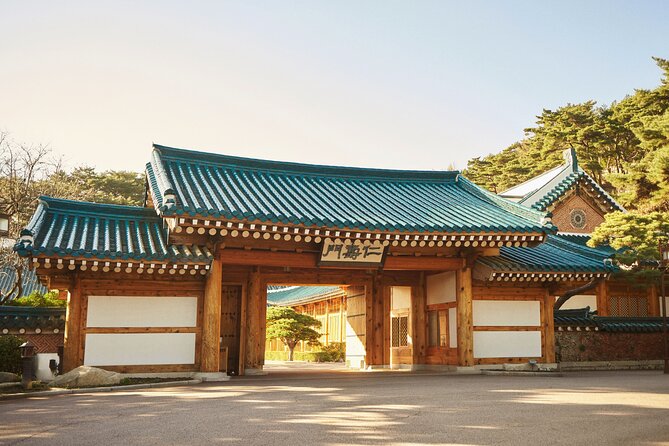
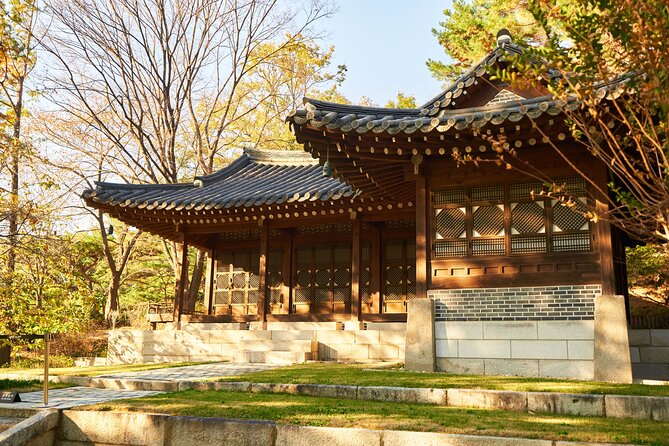
Then you reach Chimnyugak House, described as a small, traditional pavilion surrounded by trees. The tour includes a short break while your guide explains architecture and history and you get a pause from the heavier political context.
This stop is valuable because it gives your brain time to process. You can also take a breath from group movement, and it’s often where photos come out better because the atmosphere feels calmer and less rushed.
Practical note: if you like scenic pauses, bring a quick posture reset here, not later.
6) Sangchunjae, Traditional Design and Special-Guest Use
Stop six is Sangchunjae, highlighted as one of the most beautiful traditional buildings on the grounds. The focus here is how it was used for special guests and quiet meetings.
The tour specifically mentions walking around its wooden structure, which is a real design experience compared with just looking. Even in a short time window, you can pick up how materials and layout supported ceremonial functions.
7) Chunchugwan, The Former Press Center
The final stop is Chunchugwan, described as the former press center where official announcements were made. Reporters from Korea and around the world would come here to hear the president speak.
This is a great ending because it completes the circle. You start with guest welcome, move through presidential work and residence, take in quiet pavilion space, then finish with the press and public communication side of government.
It’s also where you can make the tour feel most meaningful. You’re not only learning about power, you’re learning how power was communicated to the public through the media.
What Jungho’s Storytelling Adds (and Why You’ll Feel It)
The best part of this tour, based on what participants praised, is how the guide makes the grounds make sense. Jungho is singled out for deep engagement and strong English.
What matters for you is not just that he knows the facts, it’s how he delivers them. Reviews mention clear instructions for meeting points and that he walked guests through the full experience while explaining interesting details about Korea’s history. People also mention that he went the extra mile with follow-through, including walking participants back to the metro station when the tour ended.
That last detail sounds small, but it matters when you’re on a tight schedule. It keeps the transition from tour to your next activity smooth.
Also, if you enjoy interaction, there are hints that he keeps things lively with questions and attention checks, which can turn short stops into memorable moments. Even if you are not into games, that style usually helps you stay focused instead of zoning out.
Logistics That Will Save You Time (and Stress)
This tour is set up for people who want a clean, guided visit without hotel pickup. That means you need to manage yourself to the meeting point: Gyeongbokgung Station in Seoul. The tour starts at 10:00 am and ends back at the meeting point.
On a day like this, arrive a bit early. It’s the kind of tour where missing the group is a bigger issue than on an open museum visit. Once you’re there, the small group size helps, because your guide can spot you faster and get everyone moving.
Comfort items are simple but real. Wear shoes that handle walking. The visit includes multiple sites across the grounds, with short segments at each building. You want to move comfortably and stay ready to listen rather than constantly adjusting blisters.
Weather matters too. Most of the experience is outdoors walking between buildings and into tree-lined areas like Chimnyugak. If you’re visiting in warmer or rain-prone months, plan for it.
Booking and Timing: Plan Ahead for the June Window
Access rules are shifting, and the tour is positioned as something to do before public access ends in June. That means waiting can work against you.
The tour also notes that it is commonly booked about 38 days in advance on average. I take that as a signal that spots do not last forever, even if the group is small. If Cheong Wa Dae is on your must-do list, book sooner rather than later.
If you’re flexible, you’ll likely have an easier time choosing a date. If your schedule is fixed, treat booking as part of planning, not an afterthought.
Who This Tour Is For, and Who Might Prefer Something Else
You’ll probably love this tour if you want:
- Meaning behind the buildings, not just photos
- A small-group guide-led experience
- To connect politics, architecture, and everyday context in one outing
- An English guide who tells stories with enough clarity that you can follow easily
It’s also a strong fit if you already plan to explore near Gyeongbokgung, since starting there can make your day feel efficient.
You might reconsider if:
- You want a long, fully self-paced walk with lots of free time at each site
- You dislike any political context and prefer only strictly neutral museum-style stops
- You’re the type who needs constant on-your-own wandering time between sights
This is not a slow stroll. It’s a focused guided route, designed to pack in key areas in a short window.
A Simple Day Plan to Pair With Your Blue House Visit
Because the tour returns you to Gyeongbokgung Station, it plays nicely with nearby Seoul plans. Many people like to continue the day with traditional neighborhoods, palaces, or casual meals around the same transit area.
My practical suggestion is to schedule something low-commitment right after the tour so you can decompress. The experience is concentrated, and your brain will still be processing architecture and stories from stop to stop.
If you want to do more walking that day, give yourself some buffer time. You’ve already done the official route, so you do not want to stack too many heavy walking plans back to back.
Should You Book the Korea’s White House Walking Tour (Blue House)?
If you can get a spot, I think this tour is worth it for most first-time Seoul visitors who care about context. The combination of reserved entrance, a licensed English guide, and a group limited to 9 guests makes it feel intentional rather than chaotic.
It’s also a smart choice if you know the Blue House access timeline is ending in June. This is one of those experiences where “I’ll do it later” can become “I missed it.”
Before you book, only make sure the format matches your style. You’re going to walk, listen, and move quickly between several important zones. If that sounds good, you’ll likely come away with more than a photo set. You’ll understand how the grounds functioned, how guest welcome and official work were organized, and how press communication fit into the bigger picture.
FAQ
How long is the Blue House walking tour?
The tour lasts about 2 hours 30 minutes.
How many people are in the group?
The tour is limited to a maximum of 9 travelers.
Where does the tour start, and where does it end?
The tour starts at Gyeongbokgung Station in Seoul. It ends back at the meeting point.
What’s included in the price?
The tour includes reserved entrance to Korea’s White House (Cheong Wa Dae) and an English-speaking licensed tour guide.
Is hotel pick-up included?
No, hotel pick-up and drop-off are not included.
Can I get a full refund if I cancel?
Yes. You can cancel for a full refund if you cancel at least 24 hours before the experience start time.
More Walking Tours in Seoul


More Tours in Seoul
More Tour Reviews in Seoul
Not for you? Here's more nearby things to do in Seoul we have reviewed


Walking Tours, compared.
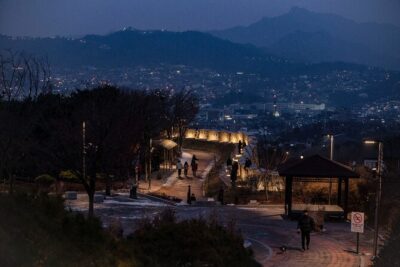 ★ 5.0Seoul moonlight walking tour with local historianFrom $31940 reviews
 ★ 5.0Nighttime Hidden Gems Walking TourFrom $33775 reviews
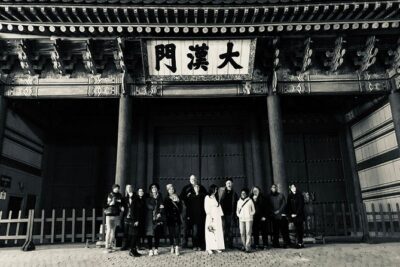 ★ 5.0Evening Dark History, Folklore & Ghost Story Walking TourFrom $42593 reviews
 ★ 4.8Dark Side of the City and Ghost Stories Walking TourFrom $42484 reviews
 ★ 5.0Gangnam Walking Tour on Youth and Society in Seoul KoreaFrom $31401 reviews
 ★ 4.8Gyeongbok Palace and Bukchon Hanok Walking TourFrom $88157 reviews
 ★ 5.0Best Walking Tour to Gyeongbok Palace Bukchon Hanok VillageFrom $88138 reviews
 ★ 4.5Highlights & Hidden Gems With Locals: Best of Seoul Private Walking TourFrom $12383 reviews
Browse the lists this tour appears in