
History in Seoul can hit hard. This tour links Korea’s colonial suffering to its later push for democracy, using real places tied to real decisions. You can do the independence route, the democracy route, or both for a longer full story.
What I really like is the way the tour stays focused, not scattered. You get an English speaking guide who explains what you are seeing, and the group stays small, so questions do not get lost. You also get a practical mix, from major memorial sites to an everyday market stop.
One caution: this is dark history with torture, surveillance, and political repression. Expect a long day on the full option, and plan for walking, standing, and some emotional moments.
Key things worth knowing before you go
- Two distinct storylines: independence under Japanese rule, then democracy fought for after war and dictatorship
- Seoul locations you can actually find again: famous gates, parks, museums, and hilltop sites with strong street-level context
- Shoes matter at Dilkusha: you may need to swap into slippers to protect the historic residence
- A guide can make or break it: Joseph and Jonathan were praised for being friendly and well prepared with clear explanations
- You will cover a lot: some departures run long, so bring stamina and water
Two Routes Through Korea’s Fight: Independence Then Democracy
This tour is built like two halves of the same story. Pick Package 1 if you want the independence chapter, centered on Japanese colonial oppression and the March 1st Movement. Pick Package 2 if you want the later democracy chapter, centered on postwar struggle, dissident pressure, and political organizing.
If you have time, doing both makes the history feel less like a list and more like a chain of causes. You start with how sovereignty was attacked. You end with how citizens tried to force change through pressure, protest, and persistent organizing.
The duration is typically 4 to 7 hours, depending on which package you choose and what the day looks like. One departure in the wild ran from about 9:50AM to 3PM, so treat this as half-day to long half-day, not a quick hit.
You can also read our reviews of more historical tours in Seoul
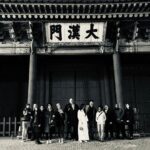
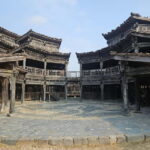
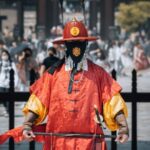
Seodaemun Prison History Hall, Where the Costs Were Visible
Seodaemun Prison History Hall is the centerpiece if you choose the independence route. This is not a generic museum stop. You walk through a former prison tied to torture and imprisonment of Korean freedom fighters under Japanese rule.
What makes this stop valuable is how it turns history into a physical space. Prison architecture, corridors, and exhibit explanations give you something pictures alone often cannot. When you visit, you will likely understand why resistance took such grit. The information is heavy, but it is the point.
The tour time here runs about 1 hour 35 minutes, and it is enough to let the guide explain the timeline without rushing. A longer stay can also be tiring, because it is mentally intense. If you like history that forces you to sit with hard facts, this is your moment.
Dongnimmun Gate and Dilkusha: Symbols, Witnesses, and a Foreign Journalist’s Role
After the prison, the independence route moves into symbolism and lesser-known detail.
Dongnimmun Gate is a short stop, about 10 minutes, but it is worth it. You are looking at a structure associated with Korea’s sovereignty and then later its vulnerability under colonization. The guide’s framing helps you see the gate as more than a landmark. It becomes a quiet visual “before and after.”
Then you go to Dilkusha, the Albert W. Taylor House, for about 30 minutes. This is a Western-style residence that matters because of an American journalist who helped expose Japan’s atrocities to the world. Even if you do not know the story yet, the stop is designed to connect international attention with on-the-ground resistance.
There is one practical point: you may need to remove your shoes inside Dilkusha. Slippers are provided on-site. Wear socks you are okay with keeping on for a while, because you will likely be moving through the house.
Tapgol Park and the March 1st Movement
Tapgol Park closes out the independence route and points you straight to 1919. This is the kind of place that works because it is public. It is not hidden behind ticket lines and climate control. It is a park where you can stand, look around, and picture crowds from a century ago.
The tour stop is about 30 minutes. You learn why the March 1st Movement is so important as a turning point. It is also a reminder that “independence” was not only fighters in secret. It included ordinary people taking a public stand, even when the risk was extreme.
If you are the type who learns faster by connecting history to geography, you will probably like this stop. It gives you a real location that helps the rest of the day click.
National Museum of Korean Contemporary History: From Occupation to Democracy
If you choose Package 2, the day begins at the National Museum of Korean Contemporary History for about 1 hour. This museum stop sets the stage. Instead of starting with one site of suffering, it helps you understand the broader transformation of modern Korea.
You are looking at postwar struggle, recovery, rapid industrial growth, and the political shifts that shaped what democracy would later require. The benefit of a museum opening is simple. It builds your context before the tour becomes specific and personal.
This is also a good choice if you want the guide to point out what to pay attention to while you walk. Even without spending hours inside, you can come away with a clearer “why” for the next stops on Namsan and at the democracy-focused foundation.

Tongin Traditional Market: Lunch Time and Everyday Survival
After the museum, you head to Tongin Traditional Market for about 1 hour. The official plan frames it as a lunch stop, but the key detail is that meals are not included in the price. In other words, you get time to eat, you still pay for what you choose.
This is a smart balance in an otherwise heavy day. You get a break from memorial rooms and surveillance sites. You also get a look at how daily life continues in the same city that holds big political memories.
The practical upside is that Tongin is a convenient place to handle food without detouring far. The downside is that lunch options can vary, and you might need to move with the group even when you want to linger. Keep your expectations flexible. Aim for something quick and filling, and save long shopping for another day.
Namsan Hill and the KCIA Headquarters: Surveillance in Plain Sight
Next comes Namsan and the sites connected to KCIA headquarters. This stop takes about 1 hour and carries one of the most chilling themes on the tour: interrogation and torture during military rule.
Even though today it is a peaceful hill, you are being asked to hold two realities at once. The view and walking paths are calm, while the historical story involves repression. That contrast is exactly what makes the location powerful.
There is also a real-world note to keep in mind: visits here can vary based on on-site conditions. That means your exact route or timing might shift a bit, but the theme remains consistent. Ask your guide what you will see and where to focus your attention.
If you want your history emotionally honest, this is one of the stops that does it. If you prefer lighter context, you may want to pace yourself here. A short break at the market can help.
Korea Democracy Foundation: The Fight After the Fear
The final stop of the democracy route is at the Korea Democracy Foundation, about 40 minutes. It is housed in a former police building, which matters because it turns the idea of repression into a visible structure.
The exhibits focus on protests, uprisings, and reforms, and they spotlight the citizens who pushed change even when that meant danger. This is where the tour connects the feeling of oppression with the mechanics of resistance.
What I like about ending here is the shift from “what was done” to “what people did anyway.” You do not leave only with tragedy. You leave with an understanding that democracy is built through pressure, organization, and risk.
The tour plan also notes that this visit may adjust depending on on-site conditions. If it happens, your guide will still work to keep the story intact, but you might not see every detail in the same way every day.
Price and Value: Is $57.14 Fair for This Much Ground?
The price is $57.14 per person, and that is a big part of why this tour works. You are paying for an English speaking guide, public transportation during the tour, and admission fees. Meals are not included, so budget separately for lunch time if you do the market stop.
At first glance, $57 is “reasonable.” The better way to judge it is by comparing what you get in guided time and access. The tour covers multiple major sites, including one of the biggest independence memorial experiences in Seoul and several tightly focused democracy locations. Without a guide, you might still visit places, but you would lose the connections between them.
One more value point comes from pacing. A guided day can reduce decision fatigue. You do not have to plan which combination makes sense. You also avoid the headache of ticketing and timing for each stop.
The small group size, capped at 10 travelers, also supports value. You are more likely to hear explanations clearly and get questions answered without fighting for attention.
Guide Quality: Joseph, Jonathan, and the Power of Clear Explanations
Two different guide names show up in the experience feedback: Joseph and Jonathan (also spelled Jonathon in one case). Both are praised for being friendly and for knowing the material well enough to explain it clearly.
That matters on a tour like this. Dark history can become a blur if the guide just reads facts. The strongest tours guide your attention, explain why a place matters, and connect the timeline without turning it into a lecture.
If you end up with Joseph or Jonathan, you should expect a guide who is comfortable with the emotional subject matter. The tour style also suggests preparation, because the schedule feels packed and still easy to follow.
Timing, Weather, and Walking Comfort
This experience runs 4 to 7 hours and is subject to traffic and weather. That flexibility is normal in Seoul, but it still means you should dress for the day, not the forecast headline.
Here is how I’d plan your body:
- Wear comfortable walking shoes for long indoor and outdoor segments
- Bring a layer, because weather can shift fast
- Drink water when you can, especially if you do both packages
The Dilkusha shoe rule is the one item that changes your prep. If you go, think about socks and slip resistance for slippers.
Also note the tour uses a mobile ticket. That is convenient. It cuts down on paper hassle, and it helps you get through entry checks faster.
Who Should Book This Tour
This is a strong match for you if:
- You want real sites tied to Korea’s independence and democracy struggle
- You prefer guided context over reading alone
- You like history that explains causality, not just dates
It may be less ideal if:
- You want a light, casual city walk
- You are easily overwhelmed by torture and political repression themes
- You need frequent long breaks, because the schedule is built around moving between stops
If you like a “choose your route” style, the two package options are a bonus. You can align your visit to your interests, and then add the other chapter if time allows.
Should You Book Blood & Tears in Seoul?
I think this tour is worth it when you want more than a surface-level “Korea had a hard past.” It helps you understand how oppression shaped political action and how later democracy was not handed over quietly.
For first-timers to Seoul who care about historical meaning, the independence route is a great starting point, especially if you are curious about the March 1st Movement and the lived experience of imprisonment. For people who already know the headline events and want the political mechanics of change, the democracy route hits hard in the best way.
If you can handle the emotional weight and you have a morning mindset for learning, booking the full story, both packages, is the most satisfying option. You will finish with a sharper sense of how Korea’s modern identity was fought for.
FAQ
What are the two tour packages?
The tour offers two package options. Package 1 focuses on independence history, including Seodaemun Prison History Hall, Dongnimmun Gate, Dilkusha, and Tapgol Park. Package 2 focuses on the road to democracy, including the National Museum of Korean Contemporary History, Tongin Traditional Market, Namsan KCIA headquarters, and the Korea Democracy Foundation. You can choose one or do both.
How long does the Blood & Tears tour take?
The experience lasts about 4 to 7 hours, depending on which package you choose and the day’s conditions.
What is included in the tour price?
The price includes an English speaking guide, public transportation fees during the tour, and admission fees.
Is lunch included?
Meals are not included in the price. The Package 2 route includes time at Tongin Traditional Market for lunch, but what you eat is up to you.
Do I need to remove my shoes at Dilkusha?
For Dilkusha in Package 1, you may need to remove your shoes. Slippers are provided on-site.
What is the cancellation policy for a full refund?
You can cancel for a full refund if you cancel at least 24 hours before the experience’s start time. If you cancel less than 24 hours before, the amount paid is not refunded.
More Historical Tours in Seoul

More Tours in Seoul
More Tour Reviews in Seoul
Not for you? Here's more nearby things to do in Seoul we have reviewed


Seoul Night Tours & Walks, compared.
 ★ 5.0Seoul moonlight walking tour with local historianFrom $31940 reviews
 ★ 5.0Nighttime Hidden Gems Walking TourFrom $33775 reviews
 ★ 5.0Evening Dark History, Folklore & Ghost Story Walking TourFrom $42593 reviews
 ★ 5.0Seoul Night Palace & Market Food Tour with VehicleFrom $79275 reviews
 ★ 5.0Special City Night TourFrom $150162 reviews
 ★ 4.9Nighttime Tour of Palace, Market, Naksan Park & MoreFrom $43143 reviews
 ★ 5.0Seoul Night Tour (Gwangjang Market, Royal Palace and Naksan Park)From $4592 reviews
 ★ 4.5Seoul Han River Night Tour: Picnic, Games & Starlight CruiseFrom $24580 reviews
Browse the lists this tour appears in