
Old Seoul gets real fast on two wheels.
This Joseon Dynasty bike ride strings together palaces, power squares, and local side streets in one calm loop, so the stories feel close to life, not just textbooks. I especially like the easy going pace and the way the guide turns each stop into a why-and-how lesson about Korea, then lets you linger long enough to look around.
One possible downside: the included snack is tasty, but it is not a full meal. If you want a big food crawl or lots of extra time at markets, plan to eat dinner on your own after.
Key Highlights You Will Actually Notice
- A small group of up to 8 keeps the ride relaxed and makes it easier to ask questions.
- Helmet and lights provided so you can focus on the sights, not the gear.
- Palaces plus alley life means you see how Joseon-era power connects to today’s Seoul hangouts.
- English in-person guide with story-driven stops, not just photos and facts.
- Street-food snack included (like hotteok, fish-shaped pastry, and Korean corn-dog) to keep momentum going.
- Route flexibility if weather turns: you will switch to a walking tour when needed.
Why This Joseon-Era Bike Ride Feels Like Old Seoul, Not a Museum Tour
This is the kind of tour that makes Seoul feel like a timeline you can ride through. You start with water and city planning vibes, then roll into court history, then finish in neighborhoods where people are still doing everyday things like shopping, eating, and strolling.
What makes it work is the balance. You are not stuck behind a lecturing guide, and you are not just biking for exercise. Each stop has a story angle, so the architecture, streets, and squares start to make sense as part of one bigger picture. The best part is how the ride includes both official landmarks and the side streets where locals actually spend time.
The group size matters too. With a maximum of 8 people, you tend to move like a small crew instead of a traffic block. That helps at palaces, where you often need a little patience to pause, look up, and take in the gates and walls without feeling rushed.
You can also read our reviews of more cycling tours in Seoul


The Ride Route: Cheonggyecheon, Deoksugung, Gyeongbokgung, and the Side Streets Between
You cover a lot of ground in about 3 hours, but it does not feel like a speed run. The rhythm is: roll to a stop, stop and talk, admire the setting, then roll to the next one.
Cheonggyecheon Stream, Where the City Chose Its Water
You begin at Cheonggyecheon Stream, tied to the idea of feng shui and the way Joseon ancestors selected water as part of the capital’s foundation. It is a great warm-up stop because it frames Seoul as something planned, not accidental.
You also get a real-world reminder that cities change. The stream used to look surprisingly different until 1960, and the narration touches on how the area was once home to people living rough. If you like history that includes daily life, this is a strong opener.
Practical note: even when the route is gentle, you are on a bike and stopping often. So keep your phone ready for photos, but do not try to multitask while rolling.
Seoul City Hall, Then and Now Power Geography
Next is Seoul City Hall, used as a quick prompt to think about where power lives today versus where it lived before. The guide frames it as “central Seoul” and the shifting centers over time.
This stop is short, but it is useful. It helps you see the city like a map of eras. When you later reach the palace area, you will understand why certain places still feel like the city’s spine.
Deoksugung Palace, Where the Joseon Era Starts to Feel Like an Ending
Deoksugung is where the stories tilt toward the late Joseon era. You get the sense that this palace is attached to a turning point, connected to the last king’s life there and the way the kingdom eventually faded.
This is a stop where slowing down helps. When you pause near entrances and take in the layout, the architecture stops being decoration and starts reading like purpose: who belonged, what authority looked like, and why gates mattered.

Deoksugung Doldam-gil, A Stone-Wall Street With Seasonal Mood
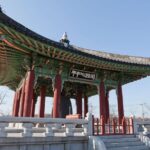
From the palace zone you move into Deoksugung Doldam-gil, known for its stone-wall street atmosphere. The storytelling links it to seasonal change, including how the street can feel different across spring, summer, and autumn.
There is also a legend angle mentioned in the guide’s approach. Even if you only catch the gist, it adds texture. This is the part of the ride that feels more like a stroll, and less like a checklist.
Jung-dong, When Old Seoul Meets Western Church Beginnings
Jung-dong brings a different layer to the era story. You hear about churches and cathedrals and how this neighborhood connects to the first western church buildings from the enlightenment movement near the end of Joseon.
This stop is valuable because it shows Joseon not as a single static time period, but as a society facing change. You are still in the same central Seoul area, yet the cultural story shifts.
If you like “what changed and why,” this is one you will remember after the ride ends.
Gyeonghuigung Palace, Gwanghae’s Role, Insecurity, and a Hard Period
Gyeonghuigung Palace is where the narrative turns personal. You hear about what it meant to become king at 18, and about Gwanghae and his role during the Japanese invasion in the late 1500s.
The guide also includes the emotional side: insecurity connected to his origin. That detail matters because it makes politics feel human. It is not just battles and dates, it is the psychology behind decisions.
Take advantage of your pause here. Even short photo stops feel better when you are not in a rush.
Gwanghwamun Square, Where Authority Used to Sit in Plain Sight
At Gwanghwamun Square, you get a power-center snapshot. The guide prompts you to think about who would have been seen as most important, then points you toward the two most respected historical figures of Korea represented at the square.
This is a great “orientation moment.” Once you see the palace zone from here, the area reads as a map of control and ceremony.
Tip: bring your best viewing shoes. Square time often means standing, looking around, and waiting for the group to cluster.
Gyeongbokgung Palace, 600 Years Old Just by Looking Closely
Gyeongbokgung Palace is the centerpiece stop in the ride. The tour encourages you to pause at entrances of each palace and notice the energy of the era in the architecture and design.
It helps that the guide frames this as something you can feel even in short breaks. The palaces are big, but the tour is structured so you do not end up only taking distant pictures. You get that close-to-the-gates feeling, the “wow, this is still here” moment.
If you want more, you can often extend your day after the tour, but even during the ride you get enough of the palace presence to make it worthwhile.
Samcheongdong-gil Road, Cafes and Boutiques in Real Alley Form
After the palace focus, Samcheongdong-gil shifts you to local hangout territory. You move through small alleyways with cafes, boutiques, and places to eat, framed as how locals spend their day.
This is where the tour stops feeling like a straight history lesson and starts feeling like “this is Seoul today.” It is also where you can connect to your own travel style. If you like browsing small stores and getting snacks, you will appreciate this segment.
A small drawback: it can be tempting to slow down more than the group wants. Just try to keep up so you do not turn a short stop into a longer delay.
Jongno 3 Stalls Alley, Conversation Breaks and Street-Market Energy
The ride ends in the Jongno 3 Stalls Alley area, with a focus on conversation and rest at each stop. The route also notes that in bad weather the plan shifts to walking, which matters here because alleyways are easier on foot than on a bike if streets get slick or crowded.
This portion is a good finale because it pulls you out of pure monument mode. The alley vibe gives you a sense of how the Joseon city skeleton lives on in today’s street layout and daily habits.
Guides, Safety, and the Calm Pace That Makes This Work
The UCANKOREA team runs the tour with an in-person English guide. That language piece is not just a comfort detail. It changes everything about a story-heavy route. You get to ask small follow-ups when a stop hits a theme you care about.
The ride pace is also a major reason people love it. Multiple guides are praised for making the cycling safe and relaxed, including guides named Sangwoo and Hyun. When a bike tour is gentle, it feels like sightseeing first and riding second.
You also get safety equipment: helmets and lights. The lights are a smart touch, especially because the tour description emphasizes cooler evening temps and sunset timing. Even if your specific departure is not at golden hour, having lights reduces stress.
Fitness level is listed as moderate. So you should be ready to ride for a few hours, stop frequently, and stay aware in city traffic. But you do not need to be training for a cycling race.
Snacks, Water, and Why This Is Enough to Keep You Happy
Snacks are included, with examples such as hotteok, fish-shaped pastry, and Korean corn-dog, plus bottled water. That means you do not start the tour hungry, and you do not have to stop your sightseeing hunt to find something quick.
In real terms, this is enough for a bike tour pacing model: fuel for a couple of hours, then dinner later. One caution from experience patterns: a bike tour snack can feel small if you expect a full meal or a long market linger.
I recommend thinking of the snack as a bonus, not your entire plan. If you are visiting during the long daylight stretch and biking after a late lunch, you may feel fine. If you skip meals, bring your own backup snack just in case.
Timing: When the Sunset Idea Meets the Real Start Time
The description talks about starting when the sun goes down for cooler temperatures and sunsets. At the same time, the listed start time for the tour is 10:00 am.
So here is the practical approach: check your exact booked start time in your confirmation, because your experience will depend on when you actually roll out. If you ride in the morning, you will still get the same historical stops and alley time, but the vibe shifts from sunset romance to daylight exploration.
Either way, the tour is about story stops and photos, not about racing to catch one specific sunset view.
Price and Value: What You Get for $76.99 Per Person
For $76.99 per person, you get more than just a bike. Included items include the bicycle, safety equipment (helmets and lights), an English in-person guide, bottled water, and a street-food snack.
You also spend your time at major landmarks and palace-related sights, and each listed stop notes admission is free. That matters because it removes a common travel tax, the “do I pay at every gate?” problem.
In value terms, the sweet spot here is the guide. A bike ride through Seoul is fun, but a story-driven guide turns the same streets into meaning. Especially with Joseon-era themes, you get a lot of payoff from the explanations.
If you want a high-effort workout, this might not feel like the best value. But if you want a history-and-neighborhood mix in a short, manageable window, it is a strong deal.
Weather and Plan B: Good Conditions Matter
This experience requires good weather. If conditions are poor, you are offered a different date or a full refund. The tour can also switch to a walking tour in bad weather, which helps protect the core sightseeing plan.
Practical tip: if rain is even possible, wear grippy shoes. Alley surfaces can get slick. You do not want to turn a calm ride into a stressful one.
Who This Tour Suits Best (and Who Might Want Something Else)
This is a great fit if you:
- want a Joseon-era storyline without spending all day indoors
- like palace architecture but also want street-level Seoul
- prefer a gentle, safe bike pace and small-group attention
- enjoy eating along the way, since street-food snacks are included
You might look elsewhere if you:
- want a long, heavy food crawl with lots of downtime
- expect a full dinner included
- want a super intense workout bike route
Should You Book This Joseon-Era Bike Tour?
I would book it if your ideal Seoul day includes palaces, short stops that still feel meaningful, and alley time with locals. The small group size, English guiding, and safety gear make it feel well run, and the history is delivered in a way that connects to the streets you are riding.
Book it with realistic expectations: this is about 3 hours and a snack, not a full-day market marathon. Also double-check your start time so the sunset promise lines up with your day.
If that sounds like your kind of Seoul, this ride is a smart, fun way to travel back in time without getting stuck in one place.
FAQ
How long is the bike tour?
It is about 3 hours.
How much does the tour cost?
The price is $76.99 per person.
What is the maximum group size?
The tour has a maximum of 8 travelers.
What time does the tour start, and where does it begin?
It starts at 10:00 am from 123 Euljiro 2(i)-ga, Jung District, Seoul, South Korea, and it ends back at the meeting point.
Is the guide available in English?
Yes, the guide is in-person English.
Is a bicycle and safety gear included?
Yes. The tour includes bicycle use, helmets, and lights.
What food and drinks are included?
You get bottled water and one street-food snack. Examples include hotteok, fish-shaped pastry, and Korean corn-dog.
Are palace or attraction admissions included?
The stops listed are noted as free admission.
Is dinner included?
No, dinner is not included.
What happens if weather is bad?
This experience requires good weather. If it is canceled due to poor weather, you will be offered a different date or a full refund.
What is the cancellation policy?
You can cancel for free up to 24 hours in advance for a full refund.
If you cancel less than 24 hours before the start time, the amount paid will not be refunded.
More Cycling Tours in Seoul


More Tours in Seoul
More Tour Reviews in Seoul
Not for you? Here's more nearby things to do in Seoul we have reviewed


Cycling Tours, compared.
 ★ 4.6From Seoul: Nami Island, K-drama Garden & Rail Bike Day TourFrom $61724 reviews
 ★ 5.0Seoul E-bike TourFrom $120536 reviews
 ★ 4.5Day Trip to Nami Island with Rail bike and The Garden of Morning CalmFrom $76459 reviews
 ★ 5.0Nami+Alpaca+Garden of Morning Calm (+Rail Bike Option)From $92300 reviews
 ★ 4.9Alpaca, Nami, Morning Calm or Eobi (+Rail Bike)From $90233 reviews
 ★ 5.0Full-Day Tour in Mt. Seorak & Nami (+Rail Bike Option)From $85186 reviews
 ★ 5.0Alpaca World and Nami Island with Gangchon Rail Bike TourFrom $65138 reviews
 ★ 5.0Morning Bike Tour along the Han River with a LocalFrom $5071 reviews
Browse the lists this tour appears in