
Reviewed · SEOUL NIGHT TOURS & WALKS
Seoul’s Hidden Dark History Guided Tour of Seodaemun Prison
Prison walls teach more than plaques do. This Seodaemun Prison guided tour takes you into the original 1908 underground interrogation rooms, then walks you through what those spaces were used for during Korea’s fight for freedom. I love how the guide turns architecture into meaning, room by room, so the history lands in your head, not just your phone.
I also like the Dongnimmun Gate stop, tied to the 1890 independence monument, because it gives you a clearer before-and-after picture. Then you head to the Seodaemun Prison History Hall, where the prison’s solitary cells, interrogation areas, and execution grounds are explained in a way that feels human, not abstract.
One possible drawback: this is heavy, political subject matter, and you will spend time moving through outdoor yards and memorial spaces, so it may not be your pick if you want a light day.
Key highlights worth planning for
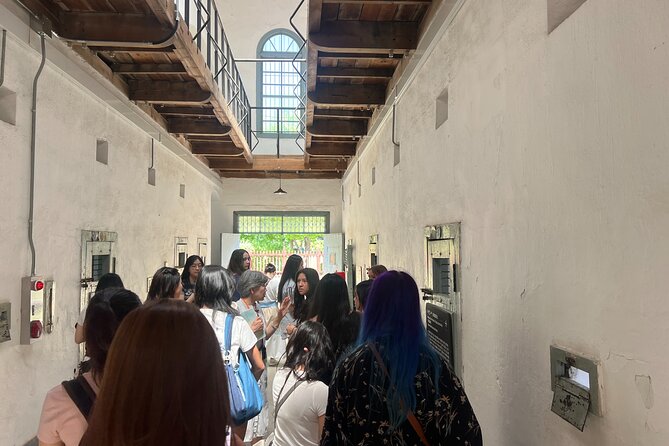
- Original prison spaces: step inside cells and underground interrogation rooms tied to the colonial era.
- Dongnimmun Gate context: the 1890 independence monument frames what Koreans were fighting to protect.
- Execution grounds walkthrough: you learn what happened there and why it shaped the independence movement.
- Yu Gwan-sun focus: her courage during the March 1st Movement is explained as a national symbol.
- Small group size (max 10): better pacing and time for questions.
- Long-experience guide: a professional guide with over 10 years in Korean history helps you connect the dots.
Why Seodaemun Prison changes how you see Seoul
Seoul can feel endlessly photogenic: palaces, markets, modern streets. This tour asks for a different kind of attention, one that starts with pain and ends with understanding. Seodaemun Prison was built in 1908 during the Japanese occupation, and today it functions as a memorial site focused on Korea’s independence struggle.
What I find valuable is the way the tour doesn’t treat the prison as a scary building. It treats it as evidence, specific evidence of what political repression looked like, how it worked, and how ordinary people resisted it.
You can also read our reviews of more guided tours in Seoul


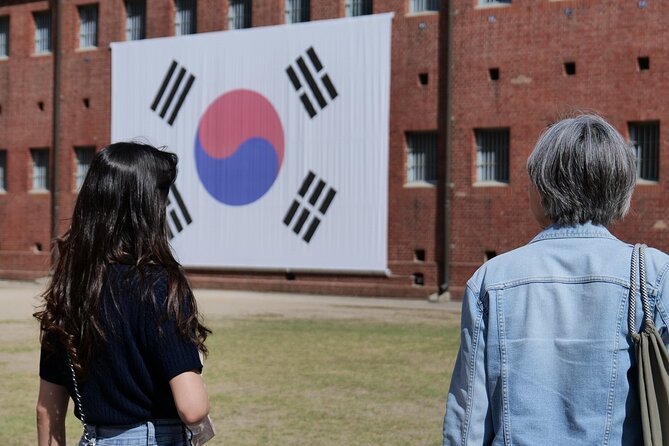
The 2 PM rhythm and small group size that keeps it focused
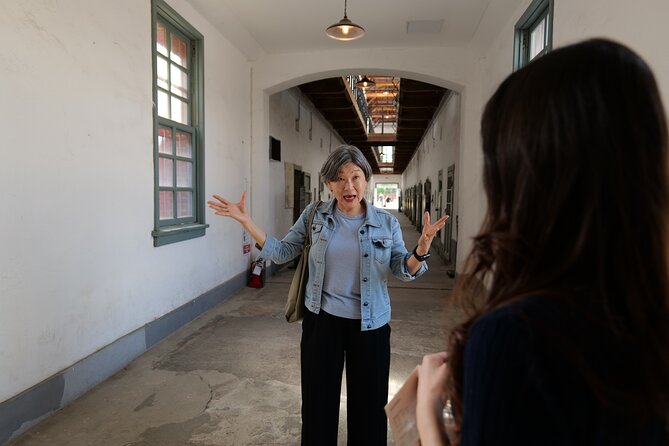
The tour runs for about two hours and starts at 2:00 pm. That timing matters, because it’s long enough to get real detail, but short enough that you can still enjoy the rest of your Seoul day afterward.
It also keeps the group size limited, with a maximum of 10 travelers. In a small group, you get clearer explanations and easier back-and-forth if something feels confusing, especially with history topics that involve multiple events and names.
You should come with moderate physical fitness. The pace is a walking tour, and you will move through different memorial and outdoor areas connected to the prison story.
Dongnimmun Gate stop: the 1890 independence message before the prison
You start at Dongnimmun Gate, at 102-6 Hyeonjeo-dong, Seodaemun-gu. This is more than just a quick photo stop, because it ties the tour to a Korean independence symbol: the independence monument that was established in 1890.
That small lead-in is smart. Many visitors to Seoul jump straight into “the colonial period” without anchoring what came before it. Here, you get a reminder that independence was already part of Korea’s public identity before the prison story takes over.
Admission is free at this stop, so you’re not wasting time budgeting or figuring out tickets. You’re also not committing a huge chunk of time before the main event, which helps keep the day from feeling rushed.
Practical tip: plan to take a moment to look at the gate area first, then listen. The explanation will land better once you’ve seen what you’re standing in front of.
Seodaemun Prison History Hall: cells, interrogation rooms, and the execution yard
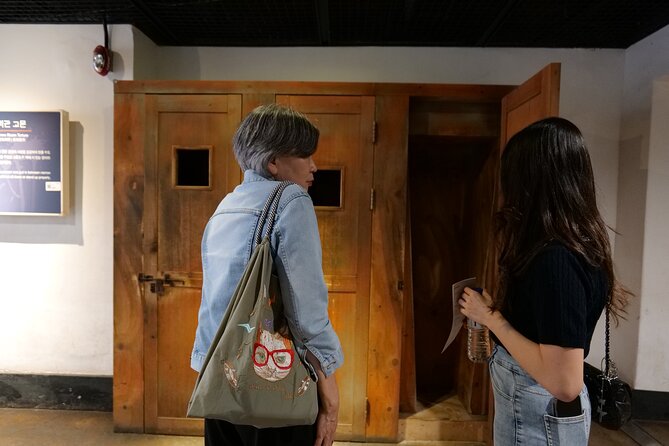
The core of the tour happens at Seodaemun Prison History Hall, around 1 hour 40 minutes. Admission is included for this main portion, so you can focus on the narrative instead of logistics.
This is where the tour becomes most intense and most specific. You walk through solitary cells and interrogation chambers, and you also visit execution grounds connected to independence activists. The key is that you are not only seeing exhibits, you are learning how these spaces worked and what kind of control the prison system tried to enforce.
Here is why that format matters for you. When you hear what happened in a place while standing in that exact place, details stick. You stop thinking in broad historical terms and start understanding the mechanics: confinement, interrogation, and the final outcome.
What to expect in the prison spaces
You can expect a clear progression of the story through physical areas. You begin with the cell spaces associated with solitary confinement. Then you move toward interrogation rooms, which help explain the pressure that activists faced. Finally, the tour reaches the execution yard, where the cost of resistance becomes concrete.
If you’re the type who likes history explained with cause and effect, you’ll probably enjoy this. It’s not just “this happened.” It’s “this room was used for this, and this is what that meant.”
One note for your comfort: prison memorials are not designed for casual sightseeing energy. Keep your pace steady, give yourself time to process, and if you’re sensitive to heavy subject matter, treat it like a meaningful visit rather than a quick checklist.
You can also read our reviews of more historical tours in Seoul



Yu Gwan-sun and the March 1st Movement: a story that gives the prison context
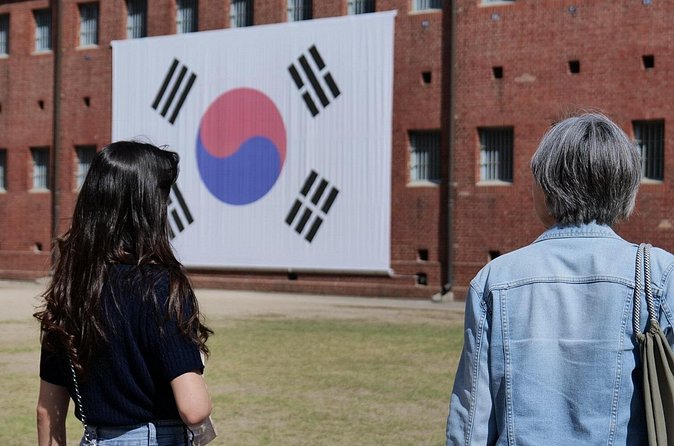
A major highlight of the tour is the story of Yu Gwan-sun. She was a 17-year-old student whose courage during the March 1st Movement made her a national symbol.
This matters because the prison story can otherwise feel like it’s stuck in a single location. The Yu Gwan-sun segment connects the prison’s role to a larger national push for freedom. It helps you see why independence activists were targeted in the first place and how symbolic acts of resistance spread beyond individual arrests.
I like that the tour presents her as courage with consequences. It’s not just a biography. It’s a bridge between the people who resisted and the prison spaces that tried to break them.
If you want an easy way to remember the tour’s takeaway, anchor it to that connection: activism led to imprisonment, and imprisonment created martyrs whose stories fueled the movement forward.
What the guide’s 10+ years of Korean history adds to your experience
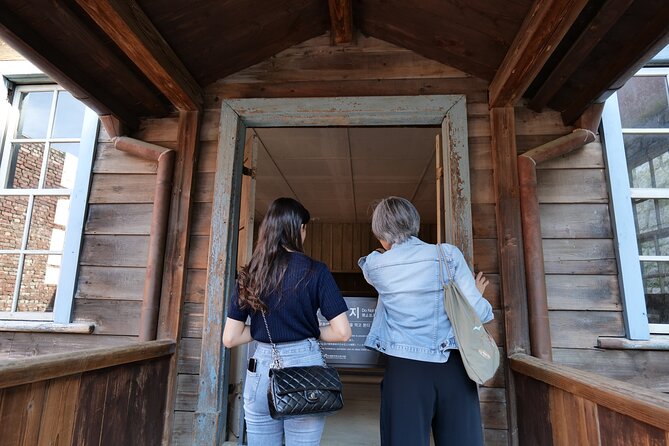
The tour is led by a professional guide with over 10 years of experience in Korean history. That level of experience shows up in how the explanations are structured, especially when you’re standing in confusing layouts.
One of the most praised aspects of the experience is the overall clarity of how the prison was used. That’s a big deal, because prisons are easy to misunderstand if you only look at them like old buildings. A strong guide helps you connect the layout and the purpose of rooms to what independence activists endured.
You’ll get the feeling that the guide is translating history into walking context. Instead of making you memorize dates, you learn what each part of the site represents in the broader independence narrative.
Also, small group size helps this part work better. If you have a question about a person or a period, you’re more likely to get a direct answer without waiting for the group to catch up.
Price and value: what $31.54 buys you in real terms
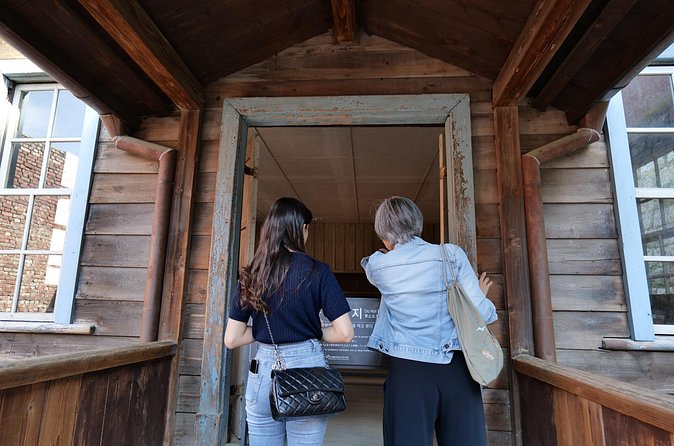
The tour costs $31.54 per person for about two hours. That price sits in the range where you are paying mainly for guided interpretation, not just entry into one museum.
For value, you get two meaningful sites rather than one. Stop one is Dongnimmun Gate with free admission. Stop two is Seodaemun Prison History Hall, and admission is included there. You’re basically paying for a guided walkthrough that connects the independence monument theme to the prison memorial theme.
Is it worth it? If your goal is to go beyond Seoul’s most famous postcards, yes. If you already know the independence movement well and only need quick photos, you might find it too heavy for your preferred travel style.
But for most visitors who want context, the combination of original prison spaces plus a focused story like Yu Gwan-sun tends to justify the cost quickly. It turns your visit into a guided reading you experience in your own body.
Who should book this tour (and who might skip it)
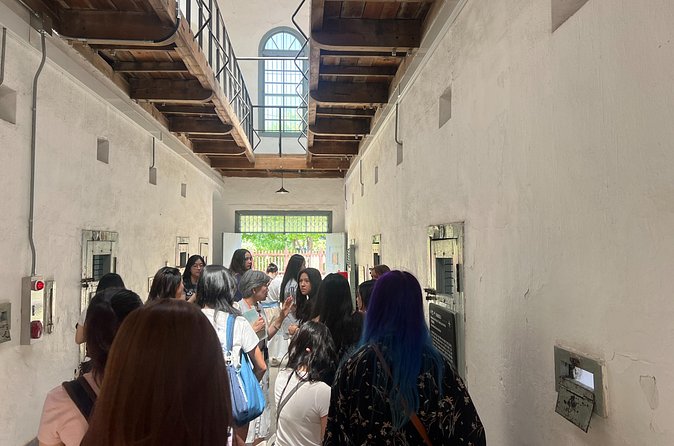
This tour is a strong fit if you:
- want a guided history experience that goes past palaces and shopping
- like learning how places connect to real events and real people
- are interested in Korea’s independence movement and the March 1st Movement
- appreciate small group tours where you can stay engaged
It might not be the best match if you want a light, entertainment-driven day. This is a memorial tied to imprisonment and execution, and the story does not soften the reality.
If you’re traveling with someone who gets overwhelmed easily by dark topics, you might consider setting expectations before the meeting point. You can treat it as a serious, respectful stop, not a casual outing.
How to plan your day around Seodaemun Prison
Start by building a reasonable schedule. Since it lasts about two hours and begins at 2:00 pm, you can usually fit it after a late morning activity and still have time for evening plans.
Wear comfortable shoes. You’ll be walking between stops and moving through different areas inside the memorial environment. Also consider the weather, because part of the experience includes outdoor execution-ground areas.
Bring a small notebook or save notes on your phone if you like to remember names. Yu Gwan-sun is central, but you may also hear other independence stories connected to the prison. Quick notes help you keep the narrative clear later.
Finally, give yourself permission to feel what you feel. A site like Seodaemun is meant to leave an impression. If you approach it like a calm, respectful visit, the meaning tends to stick.
Should you book Seodaemun Prison on your Seoul trip?
I think you should book this tour if you want Seoul to mean more than scenery. The pairing of Dongnimmun Gate and Seodaemun Prison History Hall gives you a clean historical arc, from independence ideals to the harsh reality activists faced. The small group format and the guide’s 10+ years of Korean history also make it easier to understand what you’re looking at.
Skip it only if dark, political subject matter will drain you more than it will inform you. If your trip already includes multiple heavy museum visits, you can still go, but treat it as one focused stop, not something you rush through.
If you want one practical deciding tool, use this: do you enjoy guided stories that explain what a room was used for and why it mattered? If yes, this tour is a solid fit.
FAQ
How long is the Seodaemun Prison guided tour?
The tour is about 2 hours long (approximately).
How much does the tour cost?
It costs $31.54 per person.
Where is the meeting point?
The start point is 102-6 Hyeonjeo-dong, Seodaemun-gu, Seoul, South Korea.
Where does the tour end?
The tour ends at Seodaemun Prison History Hall, 251 Tongil-ro, Seodaemun-gu, Seoul, South Korea.
What will I see during the tour?
You will step inside original prison cells and underground interrogation rooms, walk through execution grounds, and hear resistance stories including Yu Gwan-sun.
Is admission included?
Admission at Dongnimmun Gate is free, and admission for the Seodaemun Prison History Hall portion is included.
What is the group size?
The tour has a maximum of 10 travelers.
What is the cancellation policy?
Free cancellation is available. You can cancel up to 24 hours in advance of the experience for a full refund.
More Guided Tours in Seoul


More Tours in Seoul




More Tour Reviews in Seoul
Not for you? Here's more nearby things to do in Seoul we have reviewed


Seoul Night Tours & Walks, compared.
 ★ 5.0Seoul moonlight walking tour with local historianFrom $31940 reviews
 ★ 5.0Nighttime Hidden Gems Walking TourFrom $33775 reviews
 ★ 5.0Evening Dark History, Folklore & Ghost Story Walking TourFrom $42593 reviews
 ★ 5.0Seoul Night Palace & Market Food Tour with VehicleFrom $79275 reviews
 ★ 5.0Special City Night TourFrom $150162 reviews
 ★ 4.9Nighttime Tour of Palace, Market, Naksan Park & MoreFrom $43143 reviews
 ★ 5.0Seoul Night Tour (Gwangjang Market, Royal Palace and Naksan Park)From $4592 reviews
 ★ 4.5Seoul Han River Night Tour: Picnic, Games & Starlight CruiseFrom $24580 reviews
Browse the lists this tour appears in