
Reviewed · SEOUL NAMSAN & TOWER TOURS
Seoul One Day Sightseeing Tour with N Tower and Lunch
Seoul, condensed into one well-paced day. This Seoul One Day Sightseeing Tour stacks major sights into one logical route, using a vehicle to save time and an English speaking guide to connect the dots between royal-era Seoul and today’s city life. I especially like the hotel pickup convenience and the included hanbok experience, complete with a professional photographer for your photos.
The one watch-out: the day runs long and full, so some stops are short and walking happens in between. If you want to linger for hours, you may feel a little rushed, and N Seoul Tower’s observatory ticket is extra if you choose to go up.
Key Highlights I’d Focus On
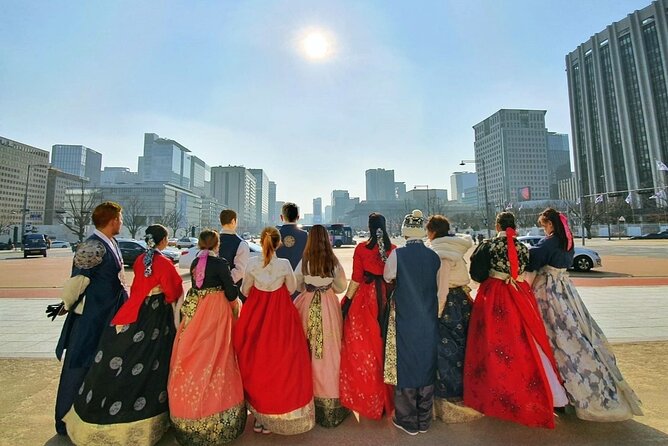
- Hanbok rental, wearing, and a pro photo moment so you get great shots without figuring out how to do it yourself
- Gyeongbokgung Palace plus the National Folk Museum of Korea, all in one historic cluster
- Bukchon Hanok Village and Samcheong-dong, a classic hanok neighborhood and famous K-drama filming areas
- Cheonggyecheon Stream and Gwanghwamun area, modern Seoul breaks between palaces and views
- N Seoul Tower views with a free entrance area, and an optional ticket if you want the top
- Myeongdong finish, so you can shop and eat right where the action is
Why This Seoul One-Day Tour Works for First Timers
If this is your first time in Seoul, you usually face the same problem: the city is huge, and the top sights are spread out. This tour is designed to solve that with a vehicle route, so you spend less time crossing town and more time seeing what matters.
I like that it balances old Seoul and newer Seoul. You start with royal-era landmarks and a traditional dress experience, then later shift to streets, streams, and skyline views.
And it is built for real schedules. The tour runs about 9 to 10 hours, starting at 9:00 am, so it feels like a full day without turning into an all-night sprint.
A few more Seoul tours and experiences worth a look

Pickup, Group Size, and the Pace You Should Expect
You can get hotel pickup within Seoul city limits, plus you’ll travel in an air-conditioned vehicle. The group is kept small, with a maximum of 18 people, which usually makes it easier to hear your guide and move together at stops.
Because the day is packed, you should assume you are doing a lot of “see and learn,” not “slow and linger.” You will have walking at places like hanok neighborhoods and stream areas, so comfortable shoes are more than a nice idea.
Also note the day can stretch depending on traffic. Lunch location varies based on timing, so expect a good Korean meal, but not a single promised restaurant every time.
Hanbok in Jongno and a Royal-Palace Photo Moment
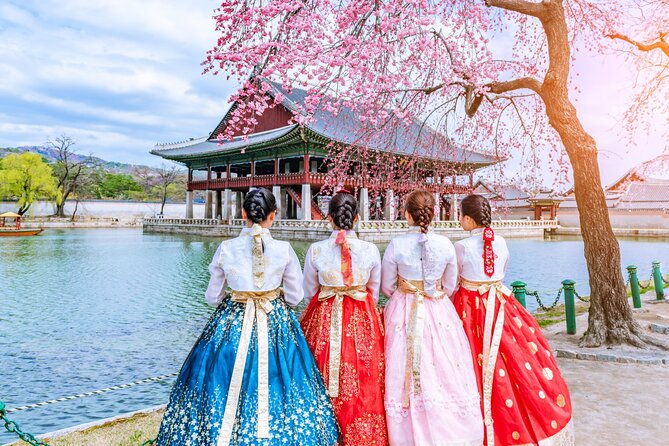
The day starts in Jongno, a smart base for first-timers because it connects royal sites, traditional neighborhoods, and central downtown. The first stop is an English-focused hanbok experience, where you choose your hanbok, wear it, and tour the nearby royal palace area in that traditional style.
The photo part is a big deal here. A professional photographer is included, so you do not spend your precious sightseeing time hunting for shade, bad camera angles, or someone who speaks enough English to pose you properly.
If you get a guide like Jessie, it helps even more. In the available feedback, Jessie is specifically praised for fluent English and for taking lots of pictures during the hanbok portion, which matters if you care about getting memories you actually like looking at later.
One practical consideration: hanbok is part outfit, part moving experience. Plan for the fact that you are wearing a traditional garment while walking, and keep your pace steady so you do not feel rushed during photos and palace entry.
Gyeongbokgung Palace, Plus the National Folk Museum Stop
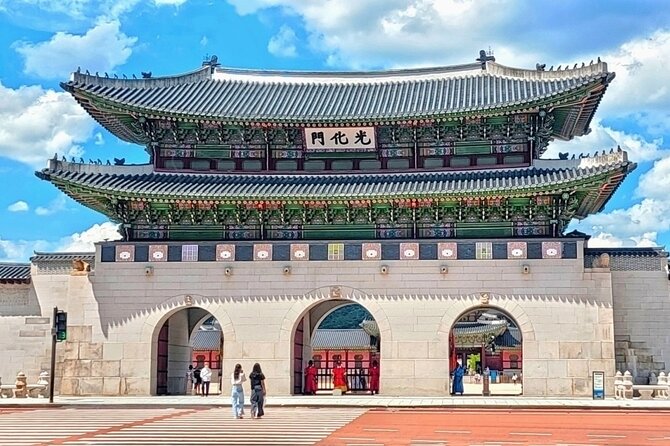
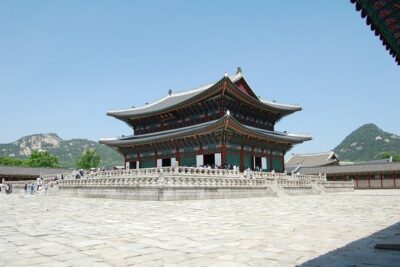
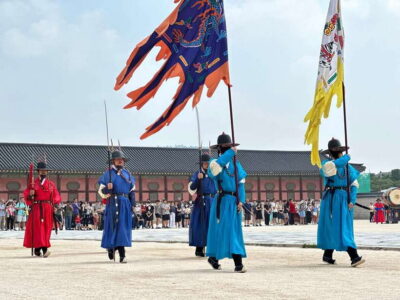
Next up is Gyeongbokgung Palace, the grand Joseon Dynasty palace tied to King Taejo and the move of the capital to Hanyang, meaning Seoul. Gung means palace, so even the name points you directly to why this place mattered.
The highlight for most people is seeing how large and impressive it feels. Gyeongbokgung was originally built in 1395, and it is described as the most beautiful, largest, and greatest of Seoul’s five grand palaces.
This stop also includes the National Folk Museum of Korea, located inside Gyeongbokgung. The museum is a good match for travelers who like context, because it focuses on everyday life and cultural beliefs, including domestic and agricultural ways of life from the past.
One timing note that affects planning: Gyeongbokgung is closed every Tuesday, and on those days the tour switches to Changdeokgung Palace. If you are visiting on a Tuesday, treat the palace change as a feature, not a problem, because you still get the same “Joseon-era Seoul” focus.
Lunch Break That Fits the Flow of the Day
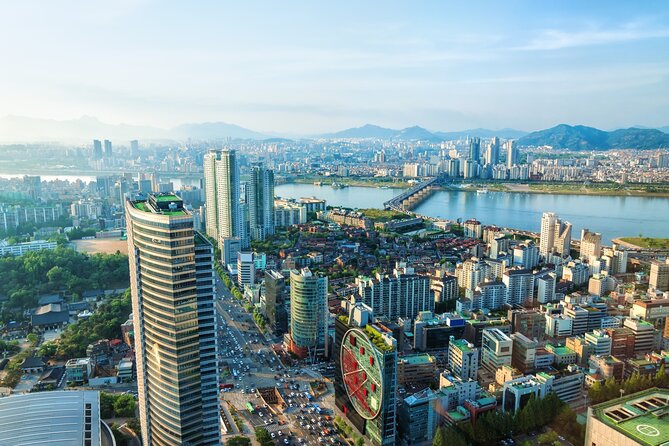
Lunch is included as a Korean dish, served at a location that can vary depending on traffic and timing. That matters because it keeps the schedule moving, but it also means you cannot pre-plan every detail of your meal.
Still, this is a good setup for a one-day plan. When your itinerary is full, lunch is one of the hardest meals to organize yourself, and having it handled can prevent the afternoon slowdown where you lose half the day hunting for food.
You also get bottled water and snacks, which helps a lot during long sightseeing stretches. I like tours that acknowledge the energy dip that hits between palaces, hanok alleys, and tower views.
A few more Seoul tours and experiences worth a look


Bukchon Hanok Village: Classic Alleys in the Middle of Seoul
After lunch, you head to Bukchon Hanok Village, one of the most recognizable hanok areas in Seoul. Hanoks are traditional houses made with wood and natural materials, and this neighborhood is laid out with historic-style alleys.
The best part is the contrast. You are walking through traditional architecture right in the middle of modern Seoul energy, so it feels like stepping sideways into older Korea while still seeing real city life around you.
The tour frames Bukchon as representing Korean tradition beyond just Seoul city scenes, with 600 years of history and tradition. Even if you are not a museum person, this is one of those places where you can still “read” the city through street layout, building style, and atmosphere.
Plan for your photo game here. If you enjoy street photography, bring your camera ready, because the alleys and doorways create lots of natural backgrounds without needing a ton of extra effort.
Samcheong-dong and K-Drama Filming Locations
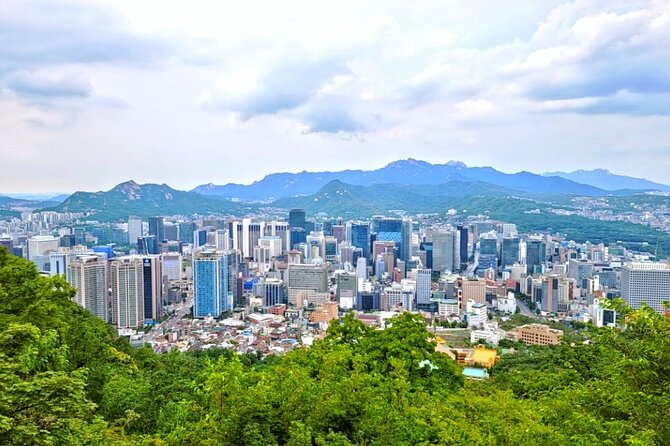
Next is Samcheong-dong, famous for K-drama locations. This is the kind of stop that feels optional until you realize how much it adds to your trip if you watch Korean series or films.
The tour specifically calls out popular titles such as Goblin, The Liar and His Lover, and While You Were Sleeping. So you can connect what you see on screen to what you walk past in real life.
What I like about including Samcheong-dong is that it gives modern pop culture a place in your route. You are not only learning about royal politics and court spaces, you are also experiencing how Seoul’s neighborhoods show up in storytelling.
If you are not into dramas, you can still enjoy the area as a pleasant neighborhood stop, but the real value is the built-in connection to what you might already know from media.
Blue House Area and Jogyesa Temple, Seoul Power and Faith
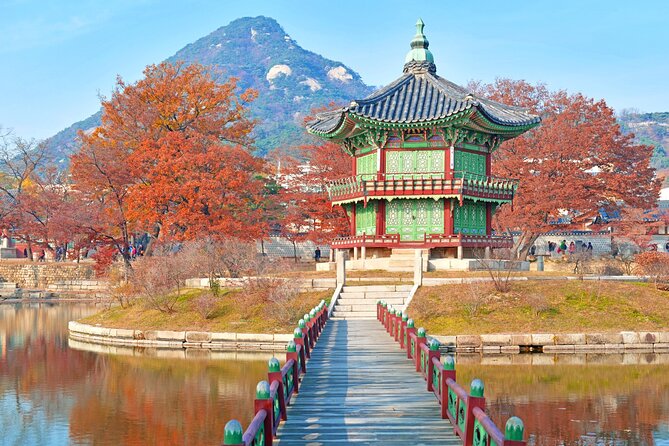
The day continues near Cheongwadae, also known as the Blue House, which is the official residence of the President of South Korea. It is located near Gyeongbokgung and surrounded by Bugaksan mountain, which gives it a distinctly “protected city landmark” feel in central Seoul.
Then you visit Jogyesa Temple, a major Buddhist temple in central Seoul. Buddhism is mentioned as one of the major religions in Korea, and the tour notes about 25% of South Koreans practice Buddhism.
I appreciate mixing these stops because it changes your lens. One moment you are thinking about state power and national identity tied to political landmarks, and the next you are in a temple space that reflects everyday spiritual life and the way religion shapes city rhythm.
You likely will not spend hours inside during a one-day tour, but even short temple time can reset your brain after palace corridors and photo-heavy hanok streets.
Gwanghwamun Plaza, Cheonggyecheon Stream, and Central Seoul Icons
Central Seoul gets a strong push with the Gwanghwamun area. Gwanghwamun is the main gate to the south of Gyeongbokgung Palace, and the tour highlights its political, cultural, and historical significance.
Right in front of Gwanghwamun Plaza, you’ll find statues including King Sejong and Admiral Yi Sun-sin. It is a useful stop for first-timers because you quickly understand that Seoul’s landmarks are not random photos, they are tied to specific historical figures.
After that comes the Cheonggyecheon Stream, an 11 km man-made waterway created as part of an urban renewal project. This is one of those modern Seoul ideas that works in real life: it gives you a calmer walking corridor in the middle of the city.
This stop feels especially valuable if you have been in museums and palace buildings earlier. A waterway walk, even a short one, makes the day feel less like a checklist and more like a real city experience.
N Seoul Tower Views, Love Locks, and the Optional Ticket Reality
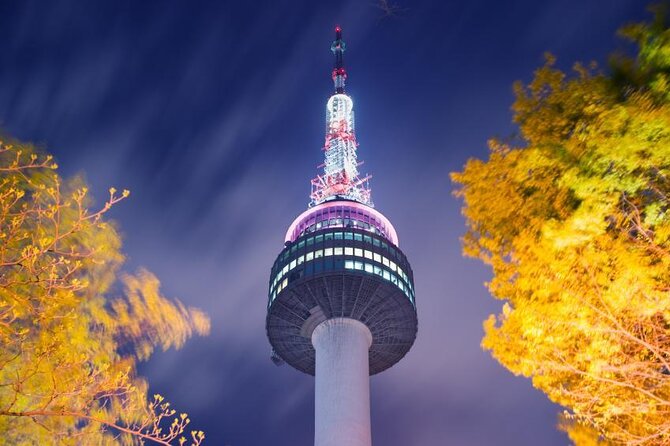
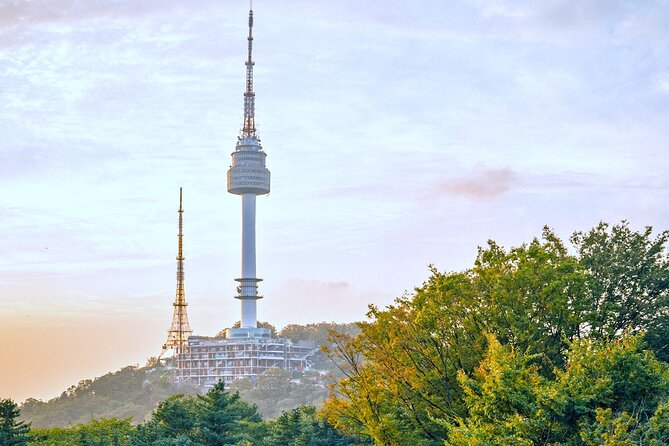
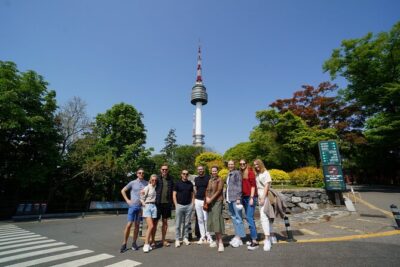
Later, you reach N Seoul Tower, also called Namsan Tower, built on top of Namsan Mountain. The height details matter less than the promise: you get a chance to see Seoul from above, and it is described as visible from many points across the city.
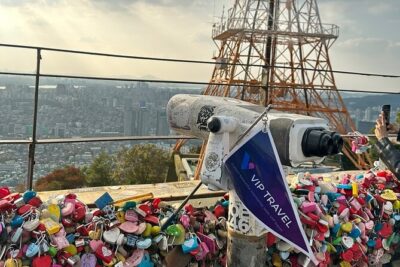
The tower area includes a free entrance area where you can see popular love locks featured in Korean dramas. The entrance zone is worth visiting even if you do not buy a ticket for the top.
Going up to the observatory is optional and not included. The tour lists approximate costs of about $14 for adults and $9 for children, so you can decide based on your budget and your appetite for skyline views.
If you love viewpoints, this is your payoff moment. If you are on a tight schedule or you dislike extra paid entries, you can still get the drama-themed atmosphere and photos near the base area.
Myeongdong Shopping Street Finish and How to Plan Your Evening
The final big stop is Myeongdong Shopping Street, which is described as the most famous shopping district in Korea. You’ll find shops, department stores, shopping malls, and lots of cosmetic brands and souvenirs.
It is also not only shopping. The tour notes dining and local cultural sights, so even if you do not plan to buy much, you can still snack and browse.
One practical point: if you want to stay longer, your tour can terminate at Myeongdong, and your return would be on your own expense. If you want the simplest finish, stick with the tour flow and plan on returning toward the meeting point after the tour ends.
This makes the day feel flexible. You end with options, not with a hard stop somewhere far from food or transit.
Price and Value: Is $168 a Good Deal?
At $168 per person, this is not a bargain tour. But it is also not just a bus ride with photo stops.
You are paying for several built-in conveniences that add up fast in Seoul. You get hotel pickup (for hotels in Seoul city), a guided route with an English speaking guide, air-conditioned transportation, bottled water and snacks, and a lunch meal.
The hanbok experience adds a lot of value. Rental and wearing are included, and the professional photographer is included too, which can otherwise cost extra or turn into frustrating DIY photos.
Then there is the fact that several major sights are grouped efficiently. You cover major palace sights, hanok neighborhoods, a temple, a central gate and plaza, a stream, and N Seoul Tower in one day. If you are paying for time saved and stress reduced, the price starts to make more sense.
Only one thing stands out as “extra by choice.” The N Seoul Tower observatory ticket is not included, so if you want the full viewpoint experience, budget for that add-on.
Who Should Book This Seoul Day Tour
This tour fits best if you want a first-time Seoul overview and you like guided structure. It is ideal for couples or solo travelers who want to see palace history, traditional neighborhoods, and modern Seoul in a single long day without building your own route.
It is also a good match if you care about the hanbok photos. The tour includes hanbok rental, wearing, and a professional photographer, which is the hardest part to DIY well in a short timeframe.
If you hate crowds, dislike moving between stops quickly, or want hours alone in each place, you might feel constrained. This route is built for coverage, so you should go in knowing that you are getting a strong snapshot, not a slow deep study of every location.
Should You Book This Seoul Day Tour?
I think you should book this tour if you want a guided Seoul highlights day with low planning stress and you plan to enjoy a mix of palaces, hanok streets, city landmarks, and a tower view. The included hanbok rental plus pro photos is a standout value item, and the small group size helps the day feel smoother.
I would not book it if you want a laid-back day with lots of free time at each stop, or if you strongly dislike optional paid entries like the N Seoul Tower observatory ticket. In that case, you might be happier with a slower, self-paced plan where you can linger.
If you book, wear comfortable shoes, and treat lunch and tower time as part of the day’s rhythm. Then let the guide handle the “where next” part, so you can enjoy the walking, photos, and views.
FAQ
What is included in the hanbok experience?
You get fusion hanbok rental and wearing included, plus a hanbok photoshoot by a professional photographer. You also tour the royal palace area while dressed in hanbok.
Is hotel pickup included?
Yes, hotel pickup service is included. The pickup is for hotels in Seoul city only.
What time does the tour start, and how long is it?
The tour starts at 9:00 am and runs about 9 to 10 hours.
Is lunch included, and what will I eat?
Lunch is included as a Korean dish. The lunch location can vary depending on traffic and timing.
Do I need to pay extra for N Seoul Tower?
N Seoul Tower observatory entry is optional and not included. The tour lists approximate costs of about $14 for adults and $9 for children for the observatory ticket.
What happens if I visit on a Tuesday and Gyeongbokgung is closed?
The tour notes that Gyeongbokgung is closed every Tuesday, and on those days it is replaced by Changdeokgung Palace.
Can I cancel for a full refund?
Yes, you can cancel for a full refund if you cancel at least 24 hours before the experience’s start time. If you cancel less than 24 hours before, the amount you paid is not refunded.
More Lunch Experiences in Seoul


More Tours in Seoul
More Tour Reviews in Seoul
Not for you? Here's more nearby things to do in Seoul we have reviewed


Seoul Namsan & Tower Tours, compared.
 ★ 5.0Best Seoul City Tour (Gyeongbokgung Palace,Insadong,Namsan Tower)From $581,647 reviews
 ★ 5.0Seoul City Sightseeing Tour Including Gyeongbokgung Palace, N Seoul Tower, and Namsangol Hanok VillageFrom $801,423 reviews
 ★ 4.7Seoul Highlights: Gyeongbok Palace, Insadong & N Seoul TowerFrom $26726 reviews
 ★ 5.0Premium Private DMZ Tour & (Suspension Bridge or N-Tower) include lunchFrom $198348 reviews
 ★ 4.5Seoul Night “Private Tour”(Korean BBQ, N-Tower, Seoul Fortress, Local Market)From $14886 reviews
 ★ 4.5Afternoon Seoul: Hanok Vibes, Netflix Street Food & N Seoul TowerFrom $6630 reviews
 ★ 5.0Signature Seoul : Netflix Sites, Street Food & N Seoul TowerFrom $7928 reviews
 ★ 4.5Seoul Morning Tour: Seoul Tower, Namsan Hanok Village, The War Memorial of KoreaFrom $6522 reviews
Browse the lists this tour appears in