
Reviewed · INCHEON TOURS & TRANSFERS FROM SEOUL
Incheon Port History Tour by 19th Century Electric Car, KTourTOP10
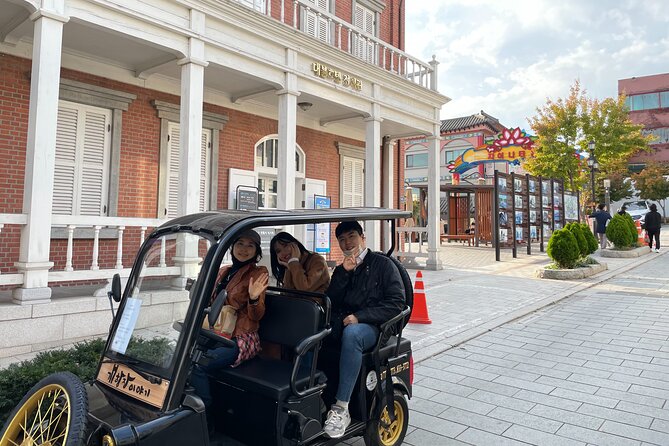
Incheon port has a time machine feel. This Incheon Port History Tour pairs an old-style electric vehicle with a tight 50-minute route through the Open Port area, so you get context fast, without spending your whole day traveling between sights.
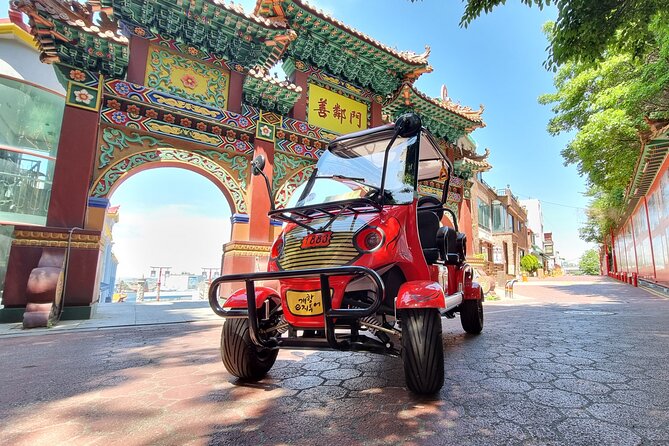
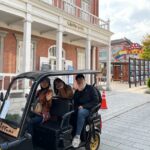
I especially like the 19th-century-style electric car itself. It turns a simple drive into something more memorable, and it keeps you moving along the key street area while your guide ties the visuals to stories you can actually use.
My main consideration is the pace and communication style. The ride is short, and on some departures the commentary may be prerecorded and Q and A in English may be limited, so if you want deep, back-and-forth discussion, manage expectations.
Key Points Before You Go
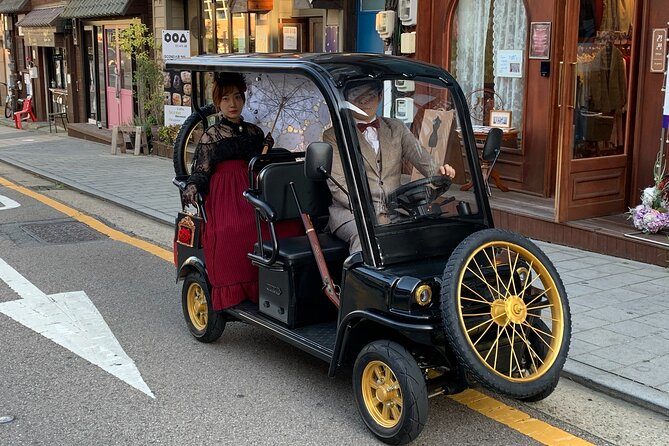
- 19th-century electric vehicle makes the Open Port streets feel like a living set.
- Small group format (max 20) helps the guide keep things moving and answers more personal.
- Stops connect big themes: foreign trade (Jogye), community life, and how those stories show up in today’s streets.
- You’ll hit Instagram-friendly art points like Chohanji and Three Kingdoms mural streets, plus real historical anchors like Chinatown shrines.
- The tour is about 50 minutes, so think of it as a smart orientation, not a full museum day.
- Food history is part of the story at the Jjajangmyeon Museum, tied to the original restaurant site.
A 50-minute ride in a 19th-century electric car
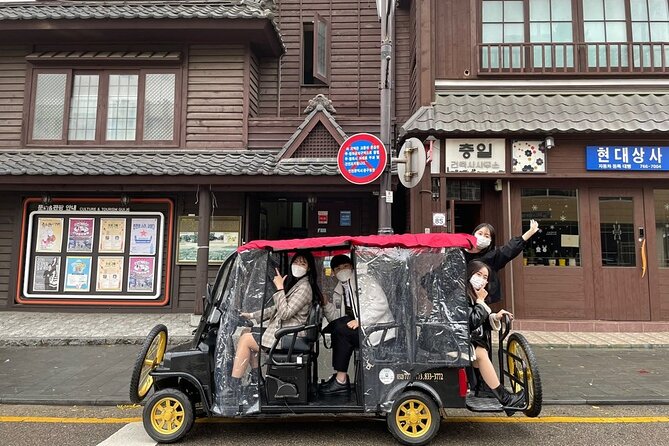
This is a straightforward “see the essentials” tour. You ride in an old-style electric car through the Incheon Open Port Street area, and you’ll stop at several points to look around and listen. The total time is about 50 minutes, and it ends back at the meeting point near 266 Jemullyang-ro, Jung-gu, Incheon.
Because the vehicle is the main way you get between sights, the tour feels efficient in a way that walking tours sometimes don’t. You are not crisscrossing the city. You’re getting a guided sweep of the same small pocket of Incheon, which is great if you are short on time.
You also get to plan around it. There are several start times you can choose from, and you get a mobile ticket. That matters if you are juggling flight times, layovers, or a packed day.
One more practical note: the experience requires good weather. If conditions are bad, you should expect rescheduling or a full refund. For an outdoor street and photo tour, this is worth building into your timing.
You can also read our reviews of more tours and experiences in Incheon.


Price and value when it’s $45 per group up to 3
Pricing is listed as $45.00 per group (up to 3). That’s important, because you are not paying per person. If you are traveling with two others, this can feel like a good deal for a guided ride that covers multiple points in one go.
Is it expensive? For Incheon, it is in the “worth it for time savings” category. You get a guide fee included, plus the electric-car tour. What you do not get is meals or snacks, so plan to grab food separately.
I would treat it as a “time-value” purchase. If you have only an hour to learn what you’re looking at, you’re paying for that clarity. If you have a full day, you might prefer longer, self-paced wandering through Chinatown and the Open Port area. In other words, this tour makes the most sense when your schedule is tight.
Stop-by-stop: Incheon Art Platform, Jogye stairs, and Jayu Park views
The route starts at the Incheon Art Platform, built with red bricks. It’s both a building with an arts-and-culture role and a place that focuses on the history of the open port. Even if you are not planning to spend time inside galleries, the building’s look matches the theme: Incheon’s port story is not abstract, it’s embedded in the architecture.
Next you move to the area divided into Chinese and Japanese buildings around the stairs. You’ll hear the term 조계, Jogye, which refers to a specific area set aside for foreign residents or trade. This is the kind of detail that helps everything else make sense. When you later see shrines, street murals, and community references, you understand these places came from real settlement patterns, not random decoration.
You can also connect this stop with Jayu Park for sea views. The tour framing helps here. You’re not just seeing a pretty lookout. You’re learning how the port area’s geography shaped where people lived and how the city developed.
Haean Catholic Church and the overseas Chinese community thread
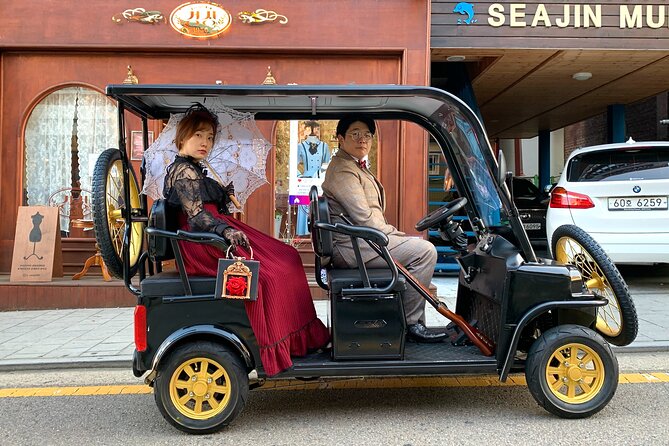
One of the more meaningful stops is Haean Catholic Church. It was created in the 1960s for devoted Catholics among overseas Chinese. That gives you a different angle on the Open Port era.
So often, port-city stories get stuck on trade and ships. This stop nudges the story toward community life, faith, and how immigrant groups built institutions where they could belong. Even for people who are not big on religious sites, it’s a useful piece of the puzzle because it shows history continuing beyond the 1883 opening moment.
It’s also a good reminder that Chinatown is not only about restaurants and murals. It’s tied to real people who lived through displacement, adjustment, and long-term community building.
Chinatown shrines, Euiseon-dang, and mural streets from classic novels
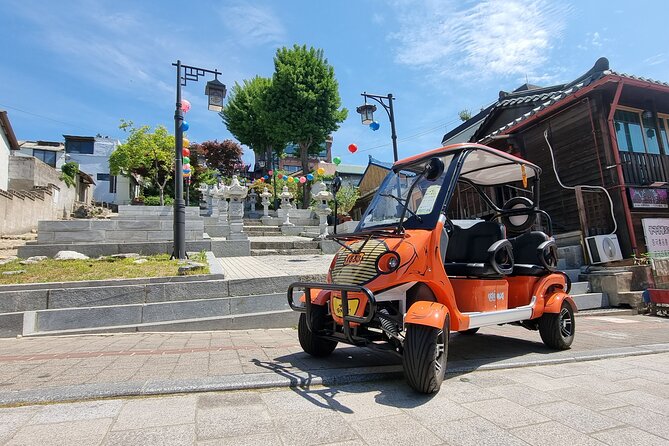
From there, the tour leans into Chinatown atmosphere. Inside Chinatown, you’ll visit Euiseon-dang, a Chinese-style shrine built by Chinese immigrants who left their homeland. The story connected to it is about seeking comfort from loneliness and the difficulties of immigration, which helps you read the shrine as a human response, not a prop.
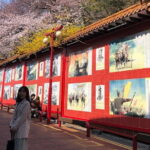
Then you hit a creative storytelling stop: Chohanji Mural Street & Three Kingdoms Mural Street. These streets show murals related to the Chinese historical novels Chohanji and The Three Kingdoms. If you like street art that actually links to literature and history, you’ll enjoy the way this makes cultural references visible in everyday space.
Practical tip: mural streets are great for photos, but the tour timing is short. You will likely get quick looks rather than long stops, so if photos matter, pick one or two photo angles early and move with the group.



Jjajangmyeon Museum: where food history becomes city history
The Jjajangmyeon Museum is located at the place where the first original Jjajangmyeon restaurant, Gonghwachun, used to be. That turns a modern Korean favorite into an origin story you can place on the map.
I like this stop because it makes food history feel grounded. You’re not just eating something tasty later. You’re seeing how a dish connects to early restaurant culture and the way immigrant communities influenced what Incheon became known for.
There’s also a simple way to use this stop during your day. After the tour, you’ll likely notice how often jjamppong, jjajangmyeon, and related food references appear around the same streets. This museum connection helps you spot those links instead of treating them like random signage.
Donghwa Village and the Port-to-people story shift
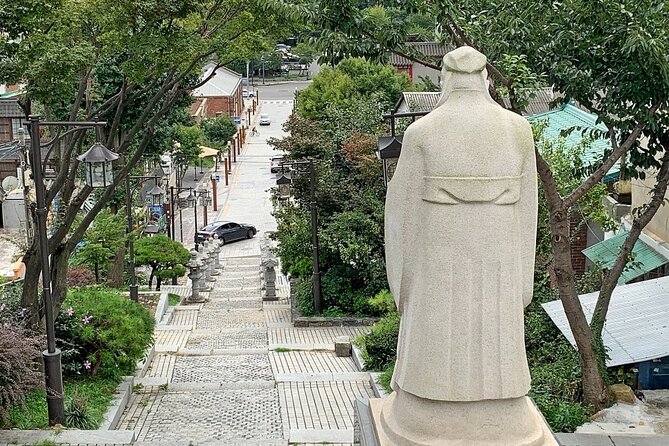
One of the tour’s more emotional themes is what happens over time to neighborhoods. When the port was opened in 1883, many foreigners lived in Songwol-dong to form rich villages. Later, young people moved out and only seniors remained for a stretch, and the town was reborn as Donghwa Village.
This is a good moment to pause your mind and look at the street as a living timeline. The Open Port area is famous for foreign influences, but it also has the normal life cycle of any neighborhood: people move, communities change, and the city keeps transforming.
If you’re the kind of person who likes to understand why things look the way they do today, this stop is one of the best parts of the route because it gives you a cause-and-effect story.
Jemulpo Club: a social club inside the open port era

The tour wraps up at Jemulpo Club. The site is tied to life for foreigners living in Incheon. In 1981, it was operated as a social club, and inside you’ll find spaces described as a social room, billiard room, and reading room, with a tennis court outside.
It also connects to later historical context, with mention of 1914 during the Japanese colonial period. The way the stop is framed makes a point that can be easy to miss when you’re just touring for sights. Port cities aren’t only about shipping. They are about social networks, leisure, and the everyday routines of people who lived there.
Jemulpo Club is listed with free admission, so you can feel good about not having extra costs at the end of the tour. The stop itself is also listed as about 5 minutes, so think of it as a quick but specific finale, not a long interior visit.
What the guides are like, and how to avoid disappointment
A big part of whether this tour feels satisfying is how it runs that day. Incheon port history is a great topic, but timing and communication matter.
Here’s what I’d plan for:
- Short, scripted moments are possible. If the driver or guide uses prerecorded commentary, you’ll still get the route and key points, but you might have fewer chances for follow-up questions.
- Language expectations. Some departures may not offer much spoken English beyond the main commentary. If you rely on asking questions to understand details, bring patience and use what you can observe visually.
- Confirm if you are on a tight schedule. One serious issue reported is a no-show situation where no one arrived and communication failed. That’s rare, but when you have a layover, don’t gamble. If your start time is important, double-check close to departure.
If you get a guide with real enthusiasm, this tour can feel like it clicks fast. One named guide, Soonie, was praised for explaining historical parts of old Incheon patiently and clearly, and for being flexible when someone asked to shift the tour time.
Who should book this Incheon Port History Tour
This tour is a smart fit if you want:
- A time-efficient introduction to Incheon’s Open Port district
- A ride-based overview that reduces walking
- A mix of history and street-level culture, including Chinatown and the Jjajangmyeon Museum
It may not be the best match if you:
- Want a long, slow pace with extended museum time
- Expect deep Q and A in English throughout
- Prefer to wander independently without a set route and return time
Also, it’s great for people planning a quick Incheon stop between longer travel days. A 50-minute guided sweep can turn a confusing area into something you understand before you go exploring on your own.
Should you book it?
I think you should book this tour if you have about an hour, you want a guided orientation through the Open Port area, and you like connecting street scenes to specific ideas like Jogye, community life, and food origins.
I’d skip it or choose another option if you want lots of time at each site, or if you strongly need live discussion in English. For everyone else, it’s a practical, enjoyable way to get your bearings fast in Incheon, with a unique vehicle and a route that covers both history and character without dragging your day.
If you do book, I’d arrive early at 266 Jemullyang-ro and keep your plans flexible enough for the good-weather requirement. Then you can enjoy the best part: watching Incheon’s port story unfold block by block.
FAQ
How long is the Incheon Port History Tour?
The tour lasts about 50 minutes.
What does the $45 price include, and how many people can book together?
It costs $45.00 per group, up to 3 people. The package includes the old-style electric car tour and the tour guide fee.
What kind of vehicle is used for the tour?
You travel in an old-style, 19th-century-style electric car.
Where do you meet for the tour?
The meeting point is 266 Jemullyang-ro, Jung-gu, Incheon, South Korea, and the tour ends back at the meeting point.
Is there a mobile ticket?
Yes, you receive a mobile ticket.
What is the maximum group size?
The tour has a maximum of 20 travelers.
Are meals or snacks included?
No, meals and snacks are not included.
Is free cancellation available, and does weather affect the tour?
Free cancellation is available up to 24 hours in advance for a full refund. The experience requires good weather, and if it is canceled due to poor weather, you will be offered a different date or a full refund.
More Tours in Incheon


More Tour Reviews in Incheon

Not for you? Here's more nearby things to do in Incheon we have reviewed


Incheon Tours & Transfers from Seoul, compared.
 ★ 5.0Private Airport Transfer : Incheon to/from Seoul (up to 7 pax)From $98344 reviews
 ★ 5.0Flexible Private Guided Tour in Seoul (Optional Incheon Layover)From $225323 reviews
 ★ 5.0Private Airport Transfer * Incheon Airport <-> Seoul (1-5 people)From $95235 reviews
 ★ 5.0Private Airport Transfer: Incheon Airport to Seoul City (1-5 pax)From $10592 reviews
 ★ 5.0Private Layover Tour from Incheon Airport to SeoulFrom $24078 reviews
 ★ 5.0Seoul Layover Private Tour from Incheon AirportFrom $23065 reviews
 ★ 5.0(P/Transfer) Incheon Airport ↔ Seoul (Up to 5 Pax)From $6061 reviews
 ★ 5.0Private Airport Transfer: Seoul City to Incheon Airport (1-5 pax)From $10552 reviews
Browse the lists this tour appears in