
Reviewed · SEOUL
Hantan Canyon & Goseokjeong Flower Garden & Pink Muhly Park
Your camera will thank you in Cheorwon. This day trip pairs Hantan Canyon with the Hantangang River’s columnar joints, then layers on seasonal flowers at Goseokjeong Flower Garden and finishes with the dreamy pink muhly fields in Nari Park.
I especially love how the canyon walk turns geology into something you can actually experience on foot, with clear river scenery and photogenic rock formations. I also love the payoff at the flower stops, especially the pink muhly expanses that make even a simple stroll feel special.
One thing to consider: the canyon walk can be physically demanding, and some bridge or walkway sections include long views down through metal grates, so it’s not a great fit for people with a heights fear.
Key highlights you will care about
- Columnar joints along the Hantangang River create a truly unusual walking setting
- Leisure-friendly photo stops across multiple scenery styles, from rocks to flowers
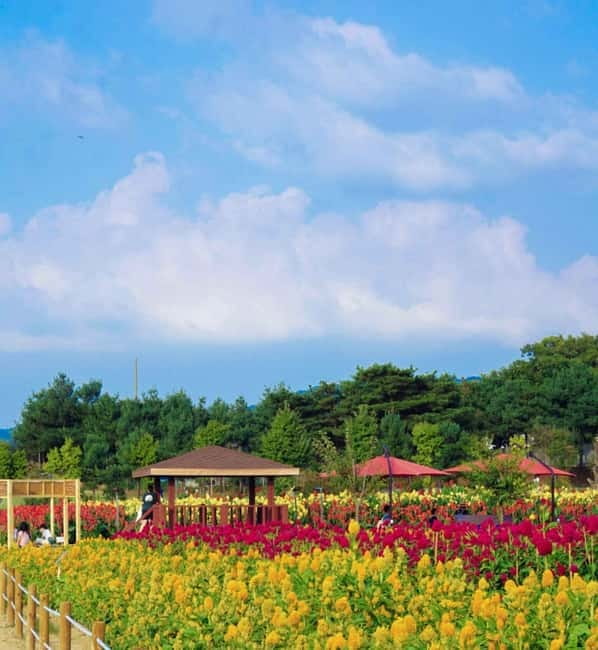
- Goseokjeong Flower Garden changes by season, with autumn often featuring chrysanthemums and cosmos
- A short train ride at Goseokjeong can help you cover more garden area in less time
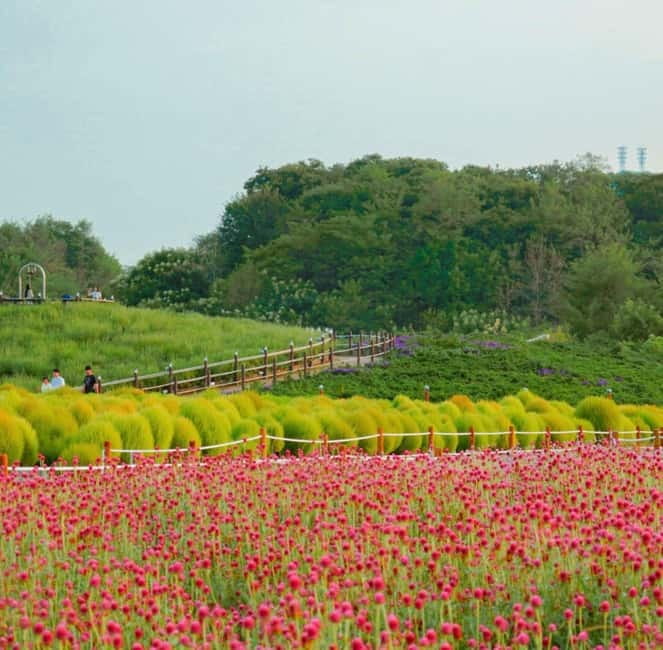
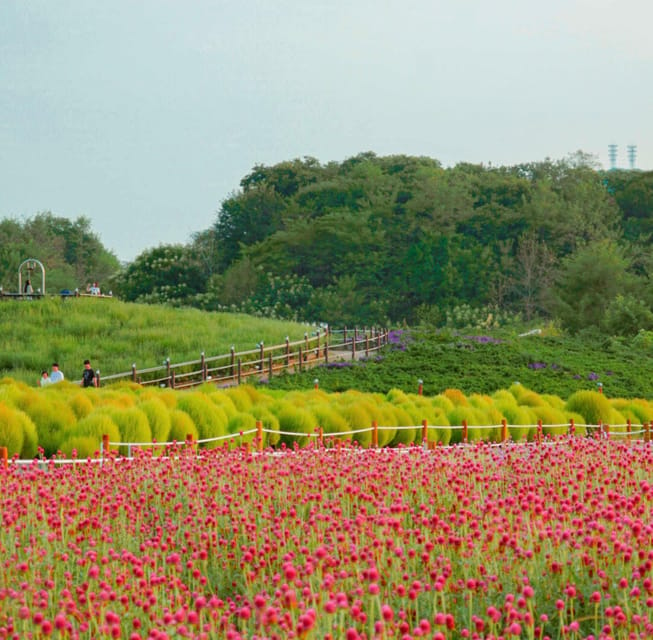
- Pink muhly fields in Nari Park deliver that signature soft pink color across wide open space
- English and Chinese-speaking guides help you move smoothly and understand what you are seeing
Cheorwon Nature Day Trip: What You Are Really Signing Up For
This is a nature-focused day built around three different textures of scenery: geology, flowers, and grass fields. You start from Seoul and return to the same meeting point, with round-trip transfers included, plus admission tickets for the attraction stops.
I like the structure because you are not stuck in one type of place. You get a canyon walk with big rock visuals, then a flower garden where the color comes from what is blooming right now, and finally a park stop centered on a single wow factor, pink muhly grass.
The best part is that the day feels like it belongs to the region, Cheorwon, not just a checklist of famous stops. If you want fresh air, walking time, and plenty of chances to photograph without rushing through everything at once, this itinerary fits that goal.
You can also read our reviews of more tours and experiences in South Korea.

Hantan Canyon and Hantangang Columnar Joints: The Walk That Feels Different
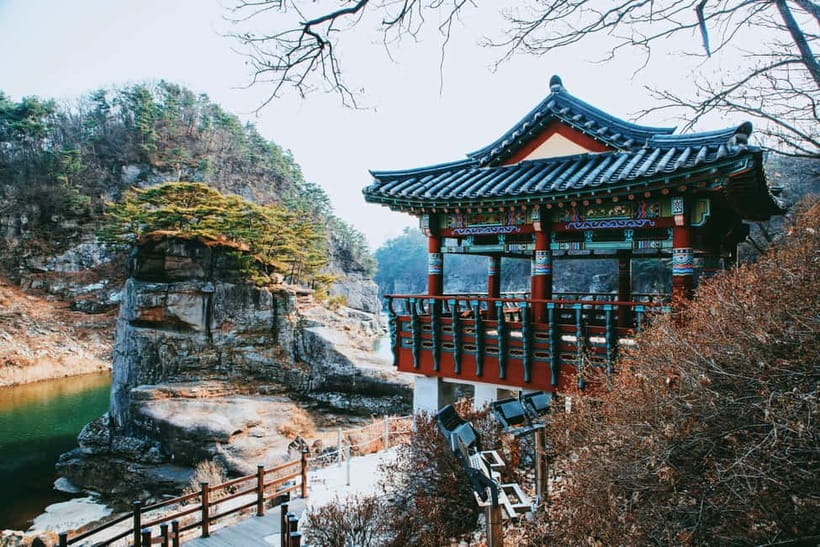
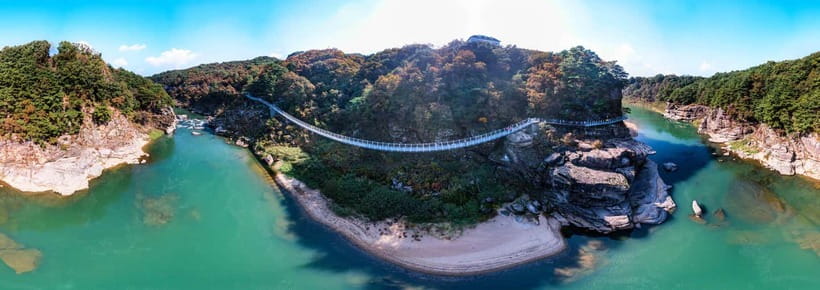
Hantan Canyon is all about the river-side rock formations. The star here is the Hantangang River’s columnar joints, a natural wonder you get to see up close while you walk along the canyon paths.
What makes this stop memorable is how the scenery works at multiple levels. From a distance you see the dramatic rock rhythm, then as you move closer you notice the shape and spacing of the columns, and finally you get framed views where the river and the rock textures share the same photo.
Practical note: the canyon experience is not just a flat stroll. One guide I saw mentioned, Lio, handled the day well, and the group had time for photos, but the canyon walk was described as a little demanding. That matters if you tire easily, have mobility limits, or do not enjoy long walking segments.
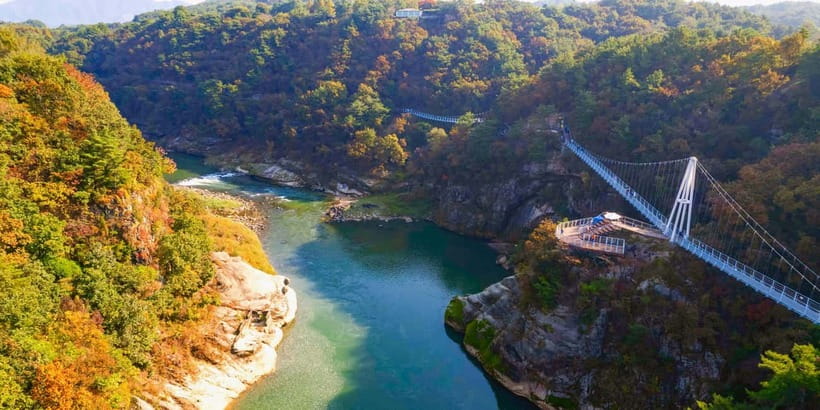
Also, if you are sensitive to heights, take this seriously. There are long sections of bridge or pathway where you can see through metal grates. You do not need to be fearless to go, but you should be honest with yourself about what your comfort level is on open walkways.
My tip: wear shoes you trust on uneven ground and bring water. Even if the schedule is organized, having your own bottle keeps you from feeling rushed.
Goseokjeong Flower Garden: Seasonal Blooms and the ₩5000 Train Option
Goseokjeong Flower Garden is the color break in the day. The garden runs a seasonal planting plan, so the flowers change depending on when you visit. In autumn, you can expect blooms like chrysanthemums and cosmos, which is exactly the kind of pairing that looks great in both wide shots and close-ups.
This stop is valuable for a simple reason: it gives your eyes a different rhythm than the canyon. Instead of stone and water, you shift to clean walking paths and flower scenes that are easier to enjoy slowly. You can linger, take your time, and still feel like you are making progress.
You might also see a small train ride available at the garden for ₩5,000. The detail that matters is that it is short, so it is more about saving steps than turning it into a whole second attraction. If you want to cover more garden in the allocated time, it can be a helpful option.
One more detail I appreciate about this stop is that the paths are described as well maintained, with good visibility for photos. That reduces the stress of trying to figure out where to stand, especially if you are traveling in a group.
My tip: if you are visiting in a season with lighter colors or pastel blooms, bring a dark top or bag. It helps your photos look cleaner and makes the flower colors pop without complicated editing.
Yangju Nari Park Pink Muhly Fields: The Signature Soft-Pink Finish
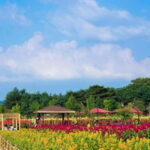
Nari Park is where the day shifts into that wide-open, dreamy grass field feeling. The highlight is expansive pink muhly grass, which creates a soft pink tone across big areas, perfect for photos and relaxed walking.
This stop works well after the canyon because you get to reset your energy. The atmosphere is described as tranquil, and the scenery gives you lots of room to stroll at your own pace without needing to focus on tricky footing.
If you care about timing, note that the experience includes a sunset-style moment at Nari Park. That is when grass and flowers take on a warmer look, and the whole field feels calmer and more cinematic than it does in harsh midday light.
Why this stop is worth it even if you have seen similar grasses elsewhere? Because the day builds toward it. You start with structural shapes in the canyon, then you get color from seasonal flowers, and then you finish with a single-color theme that looks consistent across the field. That contrast is what makes the photos feel like a complete story.
My tip: bring layers. Grass-field areas can feel cooler in the late day, and your photos will look better if you are comfortable enough to stand and wait for light changes.
Price and Value: What $55 Covers on This Nature Day
At about $55 per person, this tour is priced like a value day trip rather than a premium experience. And that matters, because the value comes from what is included.
Included in the price:
- Admission to the attractions
- An English and Chinese-speaking tour guide
- Round-trip transfers from Seoul
Not included:
- Meals and beverages
- Other personal expenses
In other words, you are paying for access and logistics, not for food. One stop includes a place where lunch is self paid, so budget for that. The good news is that the tour gives you multiple places to use your time well, so you are not paying for only one main activity.
If you were to do this independently, you would spend time figuring out transport and tickets, and that can easily eat up half a day. Here, transfers are handled for you, and admission is already covered. For many people, that turns the day into a simpler, lower-stress way to get the full Cheorwon mix.
I also like the flexibility angle: the experience offers a reserve and pay later option, which can be helpful when weather is unsure.


How to Prepare: Shoes, Water, and Photo-Ready Timing
This is a day trip where your preparation affects your enjoyment. The canyon is the part most likely to slow you down if you arrive unprepared.
Here is what I would pack and do:
- Wear comfortable walking shoes with grip, especially for canyon paths and any bridge sections
- Bring your own water, since the walk can be demanding and you do not want to wait around
- Wear a light jacket or layer, because weather can change, and the late-day Nari Park time can feel cooler
- Bring a hat and sunscreen, then keep your camera ready, because both canyon and flower stops are built for photos
If you need a convenience store pause, the guide can accommodate. One guide, Lio, was mentioned as willing to help with that kind of need. You do not need to over-plan, just tell your guide early so it does not disrupt the group flow.
For photography, think about how each stop gives you a different angle:
- Canyon: textures, lines, and river reflections
- Flower garden: close-up color and wide seasonal scenes
- Nari Park: repeating pink grass shapes across open space, especially at sunset light
My tip: charge your phone and camera before pickup. Once you are at the canyon and gardens, you will want your battery for a lot of walking and shooting.
Not for Everyone: Heights, Footing, and Pace
Let me be blunt, because this is where you decide whether it fits your body and comfort level.
The canyon walk can be physically demanding. That does not mean it is impossible, but it does mean you should not treat it as an easy scenic stroll. If you have mobility issues or you are not comfortable with longer walking segments, skip this tour or be ready to adjust expectations.
It is also not ideal for people with a fear of heights. The canyon includes long sections of bridge or pathway where you can see through metal grates. Even if you are fine with bridges in general, the open sight lines can feel intense.
Finally, consider weather. When conditions are rough, walking surfaces can feel harder and photo time can require more caution. The tour guide can keep things organized, but you will still be in outdoor terrain with your own footing.
If you do go, the best approach is a calm one: take breaks, move at your pace, and plan on good photos, not perfect ones.
Who This Cheorwon Tour Fits Best
This is a solid match if you want:
- Natural scenery that changes from stop to stop
- Walk-and-photo time without getting stuck in only one attraction type
- A guided day where admission and transport are handled
- Seasonal flower views plus a signature photo finish with pink muhly grass
It is a less good match if:
- You are very sensitive to heights or open walkways
- You cannot handle a more demanding canyon segment
- You need meals included, since food is self paid during the day
On the plus side, the guides speak English and Chinese, and the tour is set up so you can understand what you are seeing while you travel.
If you like small-group energy, this kind of day trip can feel more comfortable than crowded bus tours. You still share time with others, but the flow stays focused on each stop rather than constant switching between random locations.
Should You Book This Cheorwon Nature Tour?
If your idea of a great day is walking through dramatic rock formations, then switching to seasonal flower color, then finishing with pink muhly grass in the late-day light, I think you should book it. At $55 with admission and Seoul transfers included, it is also a practical way to see multiple worthwhile sights without turning your travel day into logistics work.
Book it only if you are comfortable with the canyon walk. If heights make you uneasy or mobility is a challenge, you might want to look for a more relaxed route. For everyone else, this is a refreshing slice of Korea’s outdoors, with three different kinds of beauty packed into one guided day.
FAQ
Where does the tour start and end?
The meeting point can vary depending on the option booked, and the activity ends back at the meeting point.
Is the tour from Seoul or a local area?
Round-trip transfers from Seoul are included.
What languages are offered for the tour guide?
The tour includes an English and Chinese speaking tour guide.
Are admission tickets included in the price?
Yes, admission to the attractions is included.
Are meals included?
No. Meals and beverages are not included.
Is there a train ride at Goseokjeong Flower Garden?
There is a little train ride option at Goseokjeong Flower Garden for ₩5,000.
Is the canyon walk suitable for mobility issues?
The canyon walk is described as a little demanding physically, and it is not recommended if you have mobility issues.
What if I need to change my plans?
You can cancel up to 24 hours in advance for a full refund.
