
Reviewed · HIKING & TREKKING
Korean Cemetery and Folklore Trek
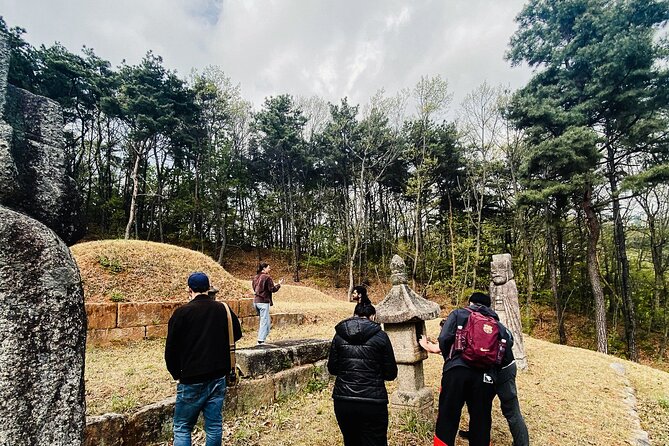
Hiking among real graves changes your perspective. This Korean Cemetery and Folklore Trek takes you out of busy Seoul to Yongmi-ri Cemetery, where legends and afterlife customs are explained with care. You’ll see a side of Korea most visitors never get to notice, in a quiet, mountainous setting where reflection feels part of the route.
I like the small group size of 6. It keeps the pace calm and lets you ask questions without feeling rushed. I also like that the public bus fare is included, so the trip feels simple and complete rather than half-guided, half-figure-it-out.
One drawback to weigh: it’s a seasonal tour, running September through November, and it also depends on good weather. If you hate hiking in cool, mountain conditions, or you travel outside those months, this one won’t work for you.
Key things that make this trek worth your time
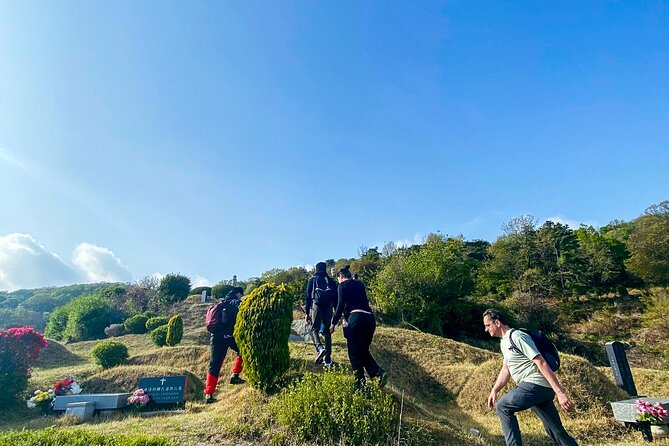
- Active cemetery access, handled respectfully with a guide focused on Korean burial customs
- Small group, up to 6 people, for more conversation and a less “tour bus” feel
- Public bus fare included, making the route practical from Seoul
- Folktales about the afterlife, tied directly to what you’re seeing
- Seasonal timing (September to November), with a weather-dependent schedule
- Mobile ticket, so you can keep your plan on your phone
Why an active Korean cemetery is a different kind of cultural tour
A cemetery tour can sound heavy, and it is. But this one is designed around respect, not shock. You’re not visiting a museum display. You’re walking through an active Korean cemetery, guided in a way that aims to explain burial traditions as living culture.
That matters, because Korea’s burial customs are not just facts. They connect to family responsibility, spiritual beliefs, and how people talk about what comes after death. When your guide connects the stories to the place itself, it feels less like information dumping and more like cultural context you can actually hold in your head.
I also like that the tour doesn’t try to turn grief into entertainment. The point is to learn how local traditions shape ideas of the afterlife, while giving you a quiet stretch of time in the mountains. For me, that balance of learning and reflection is the real value.
You can also read our reviews of more tours and experiences in South Korea.
The September to November season, and what it means for your comfort
This trek only runs from September through November, and that’s not a small detail. It shapes your experience. In those months, you’re planning around a specific window when the provider operates the hike, and you’re also dealing with the realities of mountain weather.
The key practical takeaway: you should treat this as a plan that depends on conditions. The tour requires good weather, meaning it can be rescheduled or refunded if weather shuts it down. So if you’re visiting Seoul in winter or early summer, you’ll need to choose another day, or another type of tour.
For packing, keep it simple and hiking-ready. Even if you’re not doing a long distance climb, you’re still walking in a cemetery setting that sits in mountainous terrain. Comfortable shoes matter more than trendy shoes. Bring layers you can adjust, since late-season temperatures can shift during the afternoon.
Price and logistics: $66 for a guided folklore hike, not just transportation
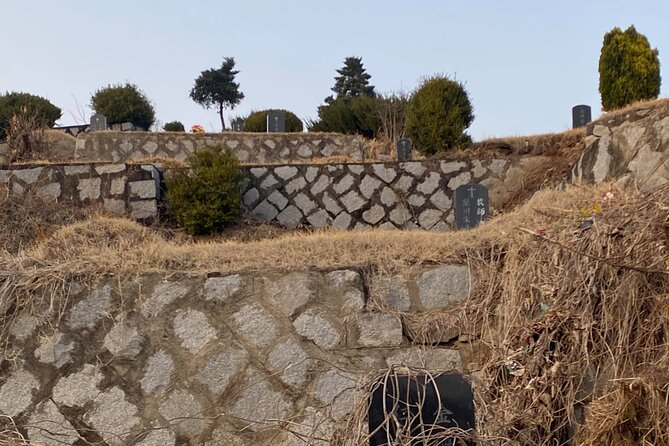
The price is $66.00 per person, for an experience that runs about 4 hours. For the amount you’re paying, you’re not only buying a guide and a few stories. You’re also getting public transportation support built into the plan.
Here’s what’s included based on the tour info:
- Public bus to and from the meeting point
- All fees and taxes
- An admission ticket that is free for the cemetery stop
- A mobile ticket
What’s not included:
- Private transportation
So your main logistics are straightforward. You meet up in Seoul area transit, you take the public bus as planned, and the tour returns you to the same meeting point area.
Also, group size changes how “tour-like” it feels. With a maximum of 6 travelers, you generally get a more personalized experience than the usual half-day pickup-and-drop-off style. For a topic this delicate, that smaller group matters.
Location-wise, the start point is at Samsong Station Exit 8 (Goyang-si). The tour starts at 2:30 pm, and it ends back at the meeting point. Plan for an afternoon that stays structured, not one where you wander freely off-script.
Step-by-step: what you’ll do at Yongmi-ri Cemetery 1
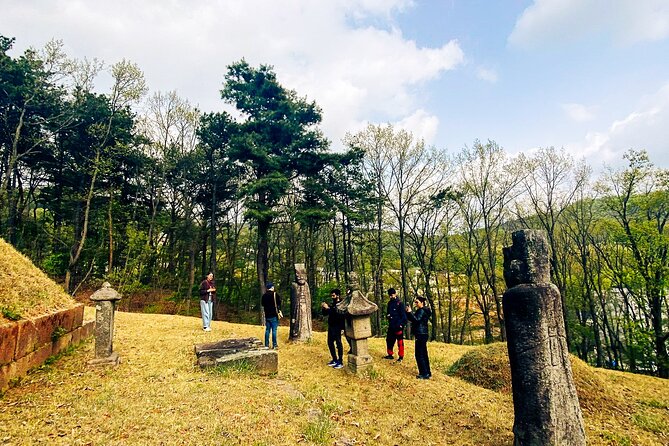
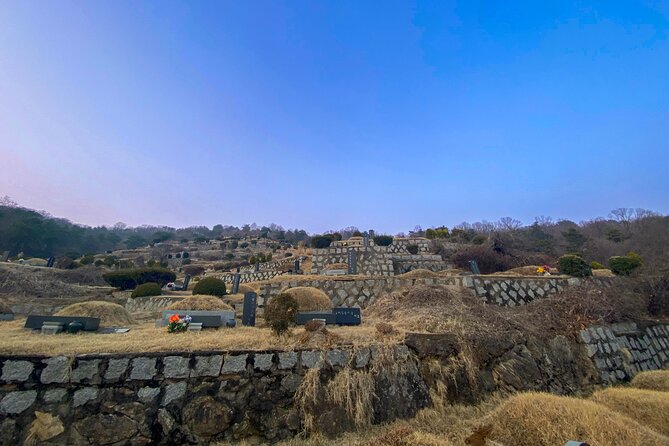
The heart of the itinerary is Yongmi-ri Cemetery 1. This is where the guide focuses on the cemetery visit and the folklore layer.
You can expect a respectful, guided walk through an environment that’s actively used. The guide’s job here is to make burial customs understandable, including how people interpret the afterlife through local tradition. Instead of just pointing out objects, the tour connects beliefs and stories to what you’re seeing. That’s what turns a cemetery visit from “unfamiliar scenery” into cultural learning.
The best part: stories tied to what you’re seeing
The tour’s storyline comes through legends and folktales about Korean burial customs. That means you’re not just hearing one general talk about death rituals. You’re getting narrative context that helps you read the place.
This also creates the right kind of pacing. A cemetery is not the setting for constant motion. Instead, the guide helps you slow down, observe, and connect meaning. If you like tours that give you time to think, you’ll probably appreciate the rhythm.


What can feel challenging: it’s quiet, and it’s real
Let’s be honest, this is not a “happy photos” tour. It’s peaceful, but it’s also real. If you’re sensitive to mortality themes, or you prefer cheerful sightseeing only, you might find it emotionally intense.
Also, because it’s in the mountains and described as a hike, you should be prepared for moderate walking. The tour notes that it’s for travelers with moderate physical fitness. You don’t need to be a marathon runner, but you do need the ability to walk steadily for the duration.
Bus from Seoul and the value of not dealing with transport
One reason I’d consider booking this even if you’re short on time is that transport is handled. The tour includes the public bus between the cemetery and the meeting point, which removes one big source of friction for independent travelers.
This is especially helpful when you’re going somewhere that isn’t a top-tier tourist hotspot. Even if you can navigate Seoul transit, getting the right route to a cemetery area in the mountains can turn into an annoying puzzle. Here, you skip that.
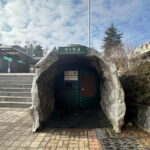
You’ll also like that the meeting point is near public transit at Samsong Station Exit 8. That reduces the “how do I get there at 2:30 pm?” stress. And since the tour ends back at the meeting point, you’re not stuck figuring out a second transport plan at the end of the hike.
If you’re traveling with limited mobility, keep in mind the tour’s physical requirement is stated as moderate fitness. The info also says service animals are allowed. But the core experience is still a walking hike, so your comfort with terrain matters.
The guide makes or breaks it, and this one has Shawn
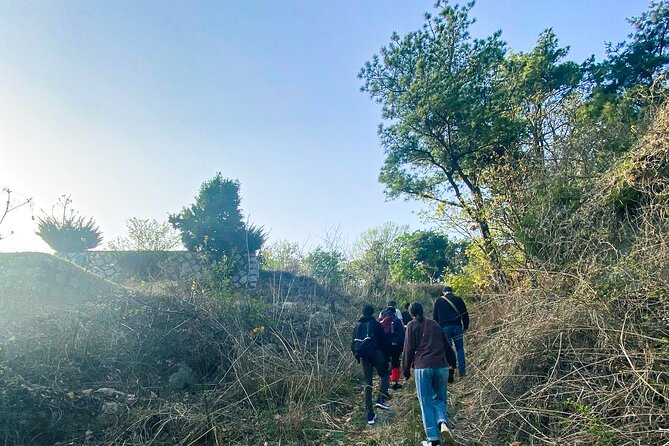
The reviews put the spotlight on the guide, and specifically on Shawn. The standout theme is his mix of research-based knowledge and personal experience, which creates a more intimate learning vibe.
That matters because Korean burial customs and afterlife beliefs can feel confusing if they’re explained in vague generalities. A strong guide can translate the culture without flattening it, and can answer the questions people actually have while they stand in the place where the traditions happen.
A 5-star average with a 100% recommendation rate (from 41 reviews) is a strong signal that the guide quality is consistently high. In practical terms, it means you should expect your guide to connect story to setting, and to keep the tone respectful.
If you like tours where the guide doesn’t just read a script, you’ll likely appreciate this format. A maximum group size of 6 supports that. It also makes the tour easier to manage, especially in a quieter environment where people need space and time.
How to get the most out of a cemetery folklore walk
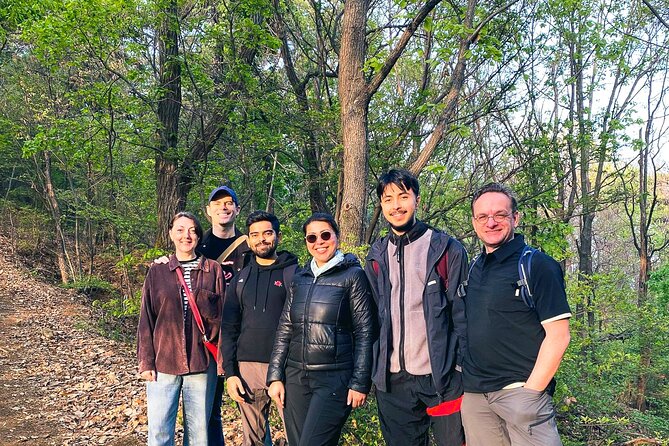
This tour is peaceful, but your mindset matters. Here are a few practical ways to make the most of the experience without turning it into something it’s not.
First, go in ready to learn, not to “collect facts.” Burial customs are full of meaning, and folktales often work best when you let them be part of a cultural explanation rather than trying to force them into a modern worldview. Ask questions if you have them. If you don’t, just listen to how the guide frames the afterlife traditions.
Second, treat it like a slow outing. Don’t plan a second major activity right after. You’ll likely want a bit of decompression time, since the theme is reflective and the setting is quiet.
Third, wear practical clothing. The tour mentions moderate physical fitness and a seasonal window. That usually means temperatures and terrain can vary. Comfortable shoes and layers will help you stay relaxed.
Lastly, keep your camera habits in check. You’re in an active cemetery. Even if you’re excited, be mindful and follow the guide’s cues. The goal is respect and understanding, not selfies.
Who should book this Korean Cemetery and Folklore Trek?
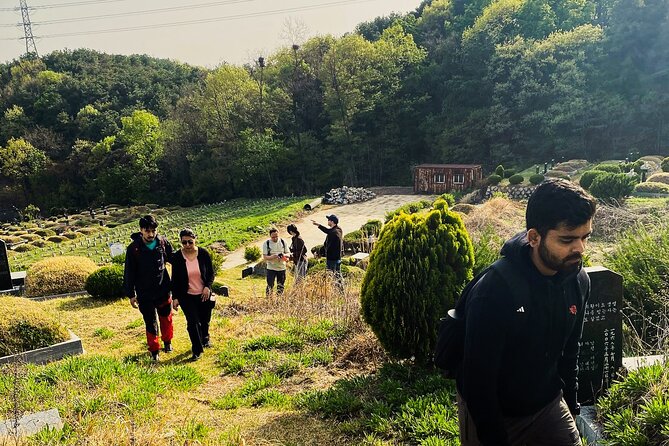
This is a great fit if you want:
- A culturally specific experience that goes beyond Seoul sightseeing
- Folklore and afterlife traditions explained in context
- A calmer, smaller-group format (maximum 6)
- A tour that includes transportation support rather than leaving you to puzzle out the route
It’s less ideal if you:
- Only want upbeat, casual sightseeing
- Don’t handle death-related themes well
- Struggle with moderate walking on uneven or mountain terrain
Because it runs September through November, it’s also best timed for fall visits to South Korea. If your trip falls outside those months, you may need to choose a different experience.
Should you book this trek?
I’d book it if you want a respectful, small-group look at Korean burial culture in a real setting, with a guide like Shawn who blends research and personal insight. The $66 price feels reasonable because it includes bus fare to and from the meeting point, plus all the standard fees and taxes, and the cemetery admission is free for the visit.
If your travel style is “learn something real, then have time to think,” this tour matches that. Just plan for the serious tone, the seasonal schedule, and the fact that you’re doing a mountain walk.
FAQ
How long is the Korean Cemetery and Folklore Trek?
It runs for about 4 hours.
Where do I meet, and where does the tour end?
You meet at Samsong Station Exit 8 in Goyang-si, South Korea, and the tour ends back at the same meeting point.
What is included in the price?
All fees and taxes are included, and public bus transportation to and from the meeting point is included. The cemetery admission ticket is listed as free for the stop.
Is private transportation included?
No, private transportation is not included.
When does the tour operate?
This seasonal tour only runs from September through November.
What fitness level do I need?
The tour is for travelers with a moderate physical fitness level.
FAQ
Is the tour wheelchair accessible?
The provided info only states a moderate physical fitness level and does not specify wheelchair access. If you need specific accommodations, you should check with the provider.
What if weather is bad?
This experience requires good weather. If it’s canceled due to poor weather, you’ll be offered a different date or a full refund.
Can I bring a service animal?
Yes, service animals are allowed.
Do I need a print ticket?
No, a mobile ticket is provided.
What is the group size?
The tour has a maximum group size of 6 travelers.
How far in advance should I book?
On average, it’s booked about 73 days in advance, though you can confirm details at booking.
More Tour Reviews in South Korea
Not for you? Here's more nearby things to do in South Korea we have reviewed
Hiking & Trekking, compared.
 ★ 4.9Guided City Wall Sunset Hike with Korean DinnerFrom $65227 reviews
 ★ 5.0Private Hiking tour to Bukhansan Peak(Baegundae: 836.5m) with Mountain ExpertFrom $168113 reviews
 ★ 5.0Fortress Night Hike & Snack at a Local MarketFrom $47112 reviews
 ★ 5.0Seoul Mountain Hike: Temples, Folklore & Traditional MealFrom $14142 reviews
 ★ 5.0Private Hiking to Bukhansan & Korean Style Spa(Include Lunch)From $18232 reviews
 ★ 5.0Bukhansan Mountain Private Hike with LunchFrom $17026 reviews
 ★ 5.0Seoraksan National Park Ulsanbawi Hiking from SeoulFrom $23815 reviews
 ★ 4.5Private Bukhansan Hiking Tour (More Members Less Cost per Person)From $16813 reviews
Browse the lists this tour appears in