
Reviewed · FULL-DAY
Ganghwa Island – Full day private tour
North Korea views start on a quiet island. This full-day private trip from Seoul pairs fortress and temple ruins with real-time vantage points, then finishes with binocular views at the Peace Observatory where North Korea is just a short distance away.
I especially like the way the driver-guide connects what you see to the bigger story, including the island’s role during major conflicts with foreign powers. The one catch is planning ahead for food, since lunch isn’t included, and some optional add-ons (like the seaside luge) cost extra.
Key Points at a Glance
- Binocular time at the Peace Observatory with North Korea visible at close range
- Fortress and temple sites tied to major 19th-century conflicts you can actually picture
- Private vehicle and driver-guide for a more tailored pace and better explanations
- Optional Ganghwa Seaside Resort luge if you want an extra thrill stop
- Pungmul Sijang market visit to get a feel for local island products
Why Ganghwa Feels Worlds Apart From Seoul
Ganghwa Island is close to Seoul, but it does not play like a typical day trip. Here, the big draw is how quickly the tone changes from city life to rural hills, stone walls, and quiet religious sites.
You get a rare mix in one day: history sites that explain why Ganghwa mattered, plus a stark modern viewpoint at the end. That contrast is the point, and it makes the whole day feel more meaningful than just sightseeing.
You can also read our reviews of more private tours in Seoul
Private Tour Value, and What the $220 Price Really Buys
At $220 per person for an 8-hour private tour, you are paying for two things that add up fast: direct pickup and drop-off, and a dedicated driver-guide in an air-conditioned minivan.
This is not a “hop on a bus and hope” day. You also get bottled water, and entrance fees for the sites listed in the schedule are included. With all that, the price starts to make sense if you care about context, not just checkboxes.
Two other practical notes that affect value:
- The tour requires a minimum of 2 people per booking, so it often works best for couples or small groups.
- If you have more people, group discounts may apply, which can lower the per-person cost.
The Flow of the Day From Pickup to Peace Observatory
The day starts at 8:30 am, with hotel pickup in Seoul. Expect a full day that balances short site visits with travel time, then ends with several viewpoints and historic stops.
You should plan for moderate walking. Fortresses and temple areas usually involve uneven terrain and some steps. Nothing extreme is indicated, but you will feel it more than you would on a flat city route.
Also, this is a private format. That matters because you can actually hear the explanations, ask questions, and move at a pace that feels right for your group.
Gwangseongbo Fortress: Why This Island Was So Strategically Important
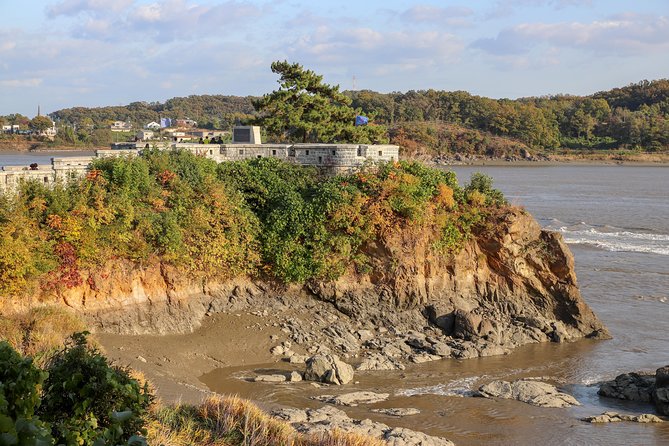
Your first major history stop is Gwangseongbo Fortress, with about 30 minutes on site. This place was used as a battlefield during the 1871 conflict involving the USA, and it helps you understand why Ganghwa was so important during the Joseon dynasty.
What I like about starting here is that it sets the tone for the entire day. When you hear the story of how this island’s position affected national survival and diplomacy, the later stops stop feeling random. You are building a timeline in your head as you go.
A practical tip: go in ready to look at the fortifications as more than “old walls.” The value is in connecting those stones to the conflict details you are given.
Jeondeungsa Temple in Samrangseong: Buddhism on a Battlefield
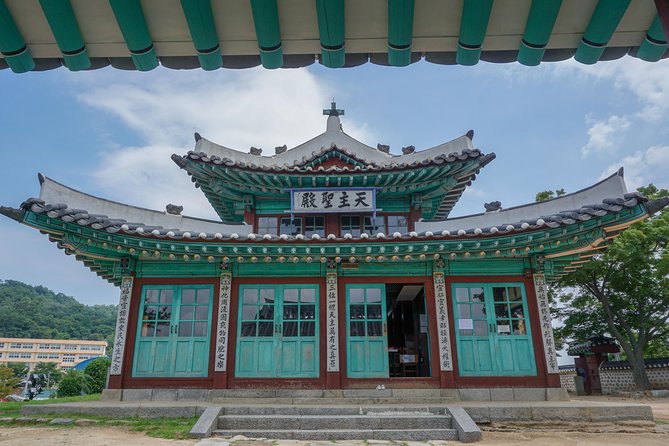
Next is Jeondeungsa Temple, about 40 minutes, with admission included. This Buddhist temple is described as being connected to the Samrangseong fortress battlefield, including conflict with France in 1866.
The interesting part here is how the site holds both spiritual calm and historical weight. Even if your Korean history knowledge is limited, the setting does the work: you see the temple environment, then you get the context for why it also became part of military history.
If you like religious sites with a story attached, this stop is a win. Just know it is not only about photos. You are there to understand Korean Buddhism and how these places functioned inside real-world events.
A few more Seoul tours and experiences worth a look


Ganghwa Seaside Resort: Optional Luge If You Want a Fun Break
The Ganghwa Seaside Resort stop is optional, about 50 minutes, and admission is not included. This is where you can try a luge ride down the hill if you are interested.
This is a good place to add a little energy to a day heavy on history. It also breaks up the emotional intensity of the Peace Observatory later on.
The main consideration is cost and time. Because admission is not included, treat this as a “if it fits your mood and budget” add-on. If you prefer quieter sightseeing, you can simply skip it and keep the day focused.
Pungmul Sijang Market: What the Island Offers in Real Life
Then you head to Ganghwa Pungmul Sijang, about 30 minutes, with admission free. This is your window into everyday island life, centered on what Ganghwa is known for producing.
Markets are also a great reality check after fortresses and observatories. History is one layer, but food, local goods, and small commerce are where you feel how a place actually lives day to day.
If you want to make lunch work without stress, this market stop is a useful time to look for snacks or a meal option since lunch is not included. Some groups also tend to look for local seafood-style dishes during this sort of market window, so it can be a smart spot to find something you genuinely want to eat.
Peace Observatory: Binoculars, Proximity, and Heavy Perspective
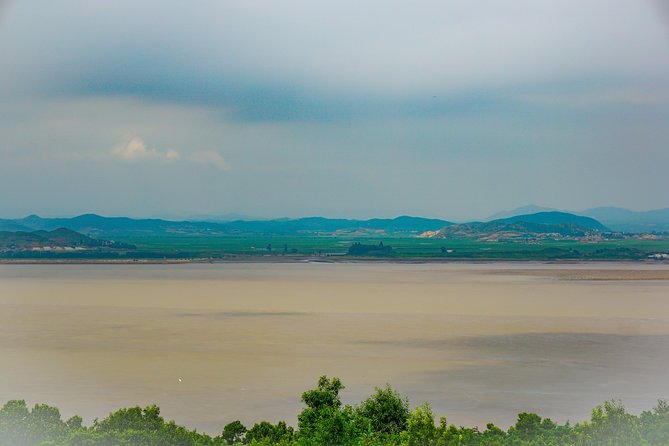
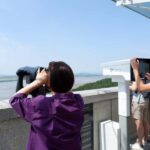
The emotional centerpiece is the Ganghwa Peace Observatory, about 40 minutes with admission included. This is where you can use binoculars to peek at North Korea, and the key detail is the distance: North Korea is only 2 km away from the island.
This stop hits differently than most “lookouts.” You are not just viewing a distant skyline. You are seeing the everyday life angle, framed through the reality that the two sides are incredibly close geographically.
What makes this valuable is the context your guide provides. A well-tuned explanation helps you interpret what you are looking at and what that proximity means. In past groups, guides such as Mr. Lee have been praised for enthusiasm and for connecting the dots in a way that makes the conflict easier to understand, especially for Western visitors.
Tip for your visit: bring patience. The viewing time can be intense, and it is worth taking a calm moment before you step away for the final viewpoints.
Yeonmijeong Pavilion and the Anglican Cathedral: Two Different Ways to See the Story
After the observatory, you continue with two free stops that round out the day.
First is Yeonmijeong Pavilion, about 30 minutes. It is known for its views of the island, plus the chance to get another peek in the direction of North Korea. This is where you step back a little, reset your eyes, and take in the geography.
Then comes the Ganghwa Anglican Cathedral, about 30 minutes. This site is framed as evidence of early Western presence, tied to the idea that Ganghwa served as an entrance to Seoul. Even if you are not a church-tour person, it is a reminder that this island sits at the crossroads of politics, travel routes, and outside influences.
I like that these final stops don’t repeat the Peace Observatory. They complement it with place-based views and then a historical “how did the world connect here” angle.
Meals and Timing: How to Handle Lunch Without Losing the Day
Lunch is not included, so you have two jobs: pick your approach early, and stay flexible.
If you want a simple plan, keep an eye out during the market time and at any eating options near your free stops. If you prefer a sit-down meal, you may need to decide on it as the day develops based on timing and what your guide recommends.
One more practical detail: bottled water is included. That helps keep the day comfortable, especially on a longer 8-hour route.
What You Will Learn (Beyond Facts on a Wall)
A big theme here is how Ganghwa turns “history” into something you can point to. You go from conflict zones tied to specific years, to temple and fortress settings that feel real in the present day, then to an observatory with binoculars and an unsettling geographic fact.
The most praised part of the experience tends to be the guide. A guide can make the difference between seeing a fortress as old stone and understanding why Joseon leaders cared so much about this strategic outpost. Guides like Miae have been highlighted for being personable and for making the story click for first-timers.
If you like tours where the guide helps you build meaning fast, you are in the right place.
Who This Tour Fits Best
This is a strong choice if you want:
- A private day trip with pickup and drop-off that saves time
- A history-and-viewpoints combo, not just a scenic drive
- A chance to see North Korea from a controlled, explained setting using binoculars
- A calmer pace than group tours that shuffle you along
It may be less ideal if you:
- Only want modern, casual attractions and do not enjoy temples or fortifications
- Want guaranteed lunch included in the price
- Prefer flexible stops not tied to a schedule
The moderate physical fitness note matters too. You do not need to be an athlete, but you should be comfortable with some walking on uneven ground.
Should You Book This Ganghwa Island Private Tour?
If you are excited by history that comes with viewpoints, I think this is a book-worthy day. The value is not just the sites. It is the private format, the included entrance fees for key stops, and the way the Peace Observatory experience is framed so it makes sense.
Book it if you care about context, want a smooth day organized for you, and you can handle lunch being on your own. Skip it if you want a fully meal-included package or you are not interested in temples, fortresses, and the heavy geography of the observatory.
FAQ
What does the Ganghwa Island full-day private tour include?
It includes hotel pickup and drop-off in Seoul, transport by air-conditioned minivan, a driver cum guide, bottled water, and entrance fees listed in the itinerary.
What is the tour duration and start time?
The tour runs about 8 hours and starts at 8:30 am.
Is lunch included in the price?
No. Lunch is not included.
How much does the tour cost?
The price is $220.00 per person.
Is this tour private or shared?
It is private. Only your group will participate.
Which stops have entrance fees included?
Entrance fees are included for Gwangseongbo Fortress, Jeondeungsa Temple, and the Peace Observatory. Other stops listed are free, and the seaside resort is not included.
Can I see North Korea during this tour?
Yes. At the Peace Observatory, you can use binoculars to peek at North Korea, which is noted as being 2 km away from the island.
Is the luge ride available, and is it included?
The luge ride at Ganghwa Seaside Resort is optional. Admission for that stop is not included.
What is the cancellation policy?
Free cancellation is available. You can cancel up to 24 hours in advance for a full refund, and changes less than 24 hours before the start time are not accepted.
More Private Tours in Seoul

More Tours in Seoul


More Tour Reviews in Seoul
Not for you? Here's more nearby things to do in Seoul we have reviewed


Full-Day, compared.
 ★ 5.0Full Day Tour In The Soop BTS Ver in PyeongChang Filming LocationFrom $1381,709 reviews
 ★ 5.0Seoul City Private Full-Day Tour Including LunchFrom $220469 reviews
 ★ 5.0Full-day Customizable Private Seoul Highlight TourFrom $230301 reviews
 ★ 5.0Full-Day Tour in Mt. Seorak & Nami (+Rail Bike Option)From $85186 reviews
 ★ 5.0Full-Day Palace Tour in SeoulFrom $79155 reviews
 ★ 5.0Full Day- Essential Seoul City Tour & Gourmet Tour(including Lunch and Dinner)From $29973 reviews
 ★ 5.0Full day Private Gyeongju UNESCO Heritage Tour : a glimpse into SillaFrom $25660 reviews
 ★ 5.0Full Day Private Tour Nami Island, Garden & Petite FranceFrom $26057 reviews