
Reviewed · HISTORICAL TOURS
Buam dong Walking Tour Art, History and Parasite in Seoul
One neighborhood can feel like a movie set. This Buam-dong walking tour mixes art, Cold War history, and classic Seoul viewpoints in a calm hillside route, plus a Parasite filming location and a gentle cultural finish at Mugyewon. I like that it’s structured, not rushed, with time to pause in quiet places. The one thing to keep in mind is the walking is real, with moderate fitness needed for the uphill stretches.
Two stops really seal the deal for me: the Cheongun Literature Library, Seoul’s first Hanok library, and the climb-and-view moments tied to Bugaksan, Inwangsan, and Bukhansan. If you catch the guide mentioned in feedback, Jon, he’s known for being both funny and good at turning local history into stories you remember. The main drawback is timing, because a 2.5-hour afternoon walk means you should plan your day around it and wear comfortable shoes.
What you get for the price is sensible: a guided route through history and art you’d likely miss on your own, capped with an authentic Hanok cultural space. For a lot of people, that is the point of paying for a tour, you’re not just checking boxes, you’re getting context in the exact places it matters.
Key things to know before you go
- Small group, big attention: up to 15 people, so questions and pace are easier to manage.
- Hanok library time: Cheongun Literature Library is a quiet stop, not a quick photo sprint.
- Seoul City Wall and Changuimun Gate: you learn defense history at a major landmark.
- Parasite filming location included: pop-culture fans get a real on-location moment.
- Views from multiple mountains: Bugaksan, Inwangsan, and Bukhansan are part of the walking story.
- Finish inside Mugyewon: the tour ends at a traditional Korean house turned cultural space.
Buam-dong hills, art, and history in one walking rhythm
Buam-dong is one of those Seoul areas where the city noise fades as you climb into side streets and hillside paths. This tour is built around that shift. You start with a short bus ride to get you into position, then you walk through a neighborhood that feels more local and slower than the central tourist corridors.
I like the rhythm because it alternates between action and pause. You get movement for the views and landmarks, then you get quieter stops where the point is atmosphere. That makes the 2 hours 30 minutes feel like a complete outing, not just a bunch of separate stops stitched together.
Also, the tour leans into themes you can actually follow. Art and literature show up in the Hanok library stop and the memorial moments, while larger historical forces show up in the Cold War discussion and the City Wall visit. If you enjoy understanding how Seoul layers old and new, this route is a strong fit.
One note for planning: the start time is 2:00 pm, so you’re walking in afternoon light. That can be great for views, but it also means you should expect warmer temperatures in summer and carry a layer in colder months.
You can also read our reviews of more walking tours in Seoul


Getting oriented with a short bus ride into Buam-dong
The day starts at 시민약국106-3 Jeokseon-dong, Jongno District, and then you take a brief bus ride to Buam-dong. It’s only about 10 minutes, but it matters because it helps you get the story in the right place right away.
During that transfer, the guide explains why Buam-dong is special. That orientation is more useful than it sounds. When you understand what you’re looking for, the streets, corners, and stairs stop feeling random.
And since the tour is capped at 15 travelers, the guide can keep everyone together without it turning into a noisy shuffle. You’re also close to public transportation, which makes it easier to get to the meeting point without stress.
Choi Gyu-sik memorial and Cold War stories in Seoul
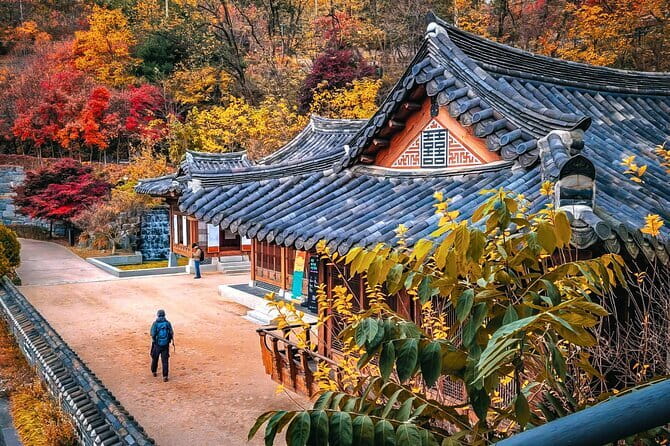
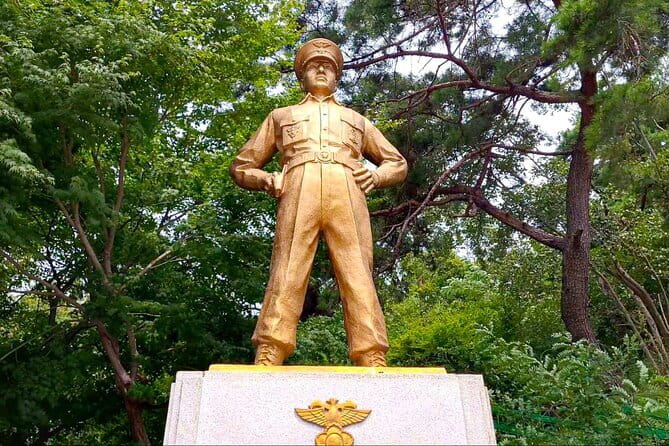
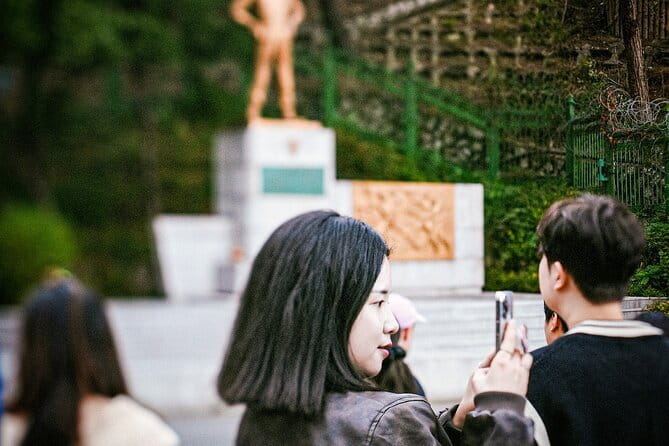
One of the tour highlights is the Choi Gyu-sik Memorial Statue. This is the kind of stop that could easily be overlooked if you’re walking independently. On this tour, you don’t just see it, you get the surrounding context that connects it to broader Cold War history.
I like this part because it gives you a different Seoul lens. You usually hear about palaces and dynasties, but Seoul’s modern history also has deep threads, and this route pulls on one of them. The statue becomes a storytelling anchor, which makes the stop feel purposeful instead of like a detour.
If you’re a history fan, this section helps you understand how memory is built into the city. If you’re not, the guide’s approach still helps you follow along, especially since feedback notes how engaging and funny Jon can be.
Cheongun Literature Library, Seoul’s first Hanok library
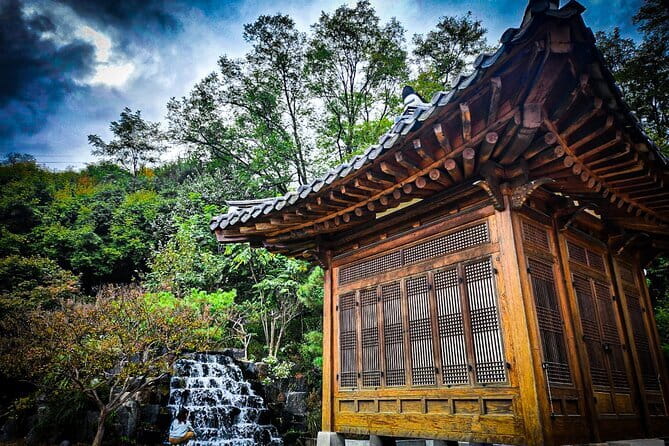
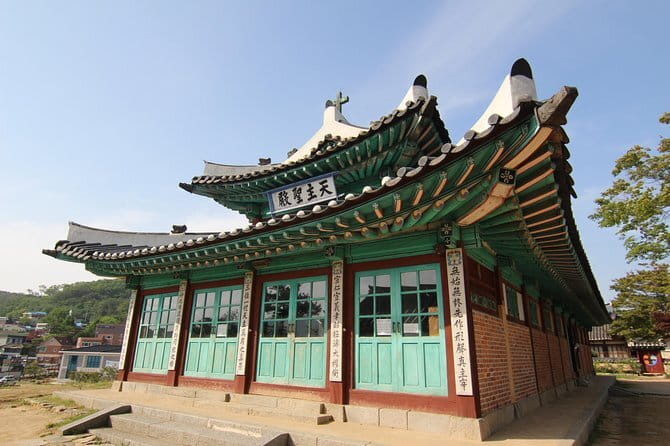
Next comes a calmer moment: the Cheongun Literature Library, described as Seoul’s first Hanok library. This is a Hanok setting with traditional architecture, so even before you read anything, you can feel the shift in pace.
The stop is scheduled for about 20 minutes, which is enough time to slow down. I recommend treating this as a reset. Step inside if you can, look around, and give yourself a few minutes just to absorb the atmosphere rather than trying to cram in more sightseeing right away.
This is also where the tour’s art-and-literature theme becomes tangible. You’re not learning about literature as a concept, you’re in a place designed for it. For readers, writers, and anyone who likes quiet corners of a city, this stop is one of the best uses of time on the route.
Potential drawback: Hanok interiors and library spaces can have rules around where you can go, how long you can stay, and what you can photograph. The tour is set up for a straightforward visit, but if you’re the type who loves long wandering, you might feel slightly time-limited.
Poet Yoon Dong-ju’s Hill and viewpoint moments
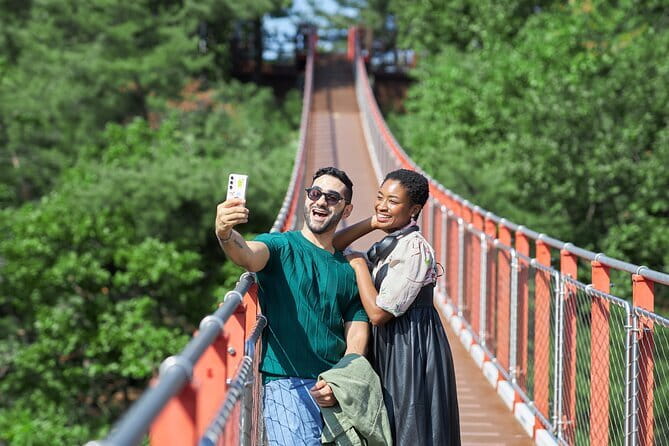
The tour also includes the Hill of Poet Yoon Dong-ju, tying literature to place. Without getting too academic, the idea is simple: names and stories on the ground change how you see the ground itself.
This is one of those “you walk, you look, you understand” sections. The route is designed to give you views of Bugaksan, Inwangsan, and Bukhansan. If you’ve ever looked at Seoul’s mountains and wondered how they connect to neighborhoods, this is one of the easier ways to connect the dots without renting a car or guessing bus routes.
I like viewpoint stops on guided tours because you don’t have to spend time searching for the best angles. You also get help understanding what you’re seeing, which is especially useful when multiple peaks are visible and it’s not obvious what’s what.
Comfort tip: viewpoint areas often mean stairs and uneven ground. Even with “moderate physical fitness” as the baseline, your comfort will depend on footwear and your willingness to take it at a steady pace.
You can also read our reviews of more historical tours in Seoul



Seoul City Wall and Changuimun Gate, defense history up close
Then you hit one of Seoul’s classic historic corridors: the Seoul City Wall and Changuimun Gate, also referred to as Jahamun Gate. This is where the tour turns from hillside poetry and quiet libraries to city-scale defense and heritage.
The stop is about 15 minutes for the Changuimun Gate area. That’s not long, but gates and wall sections are concentrated. If you come expecting to read every sign forever, you might find the time short. If you come expecting a guided explanation and a solid look at the structure, it works well.
The key idea you’ll take away is how these structures played a role in Seoul’s defense. The guide’s job here is to make the wall more than stone. You should walk away understanding why gates mattered, not just that they exist.
This is also where the tour gives you contrast. The earlier stops feel intimate, even small and personal. The City Wall stop is bigger and more strategic. Together, they show how Seoul protects itself and how Seoul remembers.
Parasite filming location, what to look for on this route
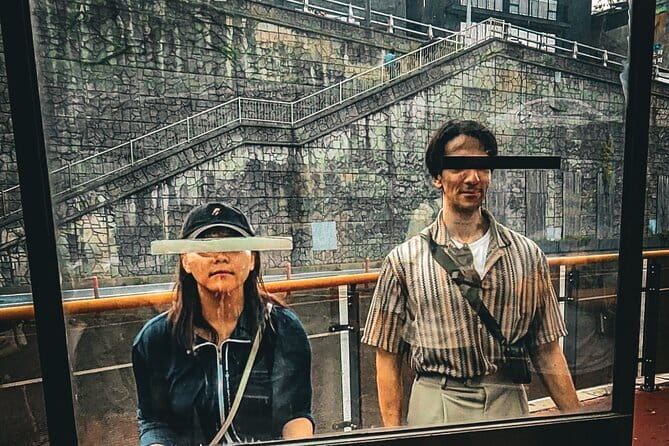
The tour includes a Parasite filming location. For movie fans, this is often the “wait, I recognize this” moment that makes paying for a guide feel worth it.
Because the exact spot isn’t spelled out in the tour description, I’ll give you a practical way to approach it. When the guide points it out, look for the surrounding framing elements: the street shape, the slope, the way buildings sit relative to each other, and how the hillside changes sight lines. That’s usually what makes a location feel familiar on screen.
Also, try not to treat it like a stoplight photo moment. The value is the context your guide provides, plus the fact that it’s integrated into a bigger walk of art and history, not a one-off detour.
Who this is perfect for: people who like cinema but also want their screen memories attached to real places and real neighborhoods.
Mugyewon finish: a prince’s villa turned cultural space

You end at Mugyewon, a traditional Korean house that once served as the villa of Grand Prince Anpyeong. It’s described as a Hanok cultural space, so the finish is not just a quick exit point. It’s a final “slow down and take it in” moment.
This stop lasts about 20 minutes, which is a good length for a transition. After earlier walking, you want a place where you can sit, look around, and absorb the atmosphere before heading off on your own.
I like endings like this because the tour has a natural emotional arc. You start with history storytelling and hillside movement, you pause for a library, you learn about defense, you get your movie moment, and you finish in a traditional house space that helps it all feel grounded.
If you’re hungry, plan for it after the tour ends back at the meeting point. Having the tour wrap around the same general area makes it easier to continue the day without a complicated hop.
Price and value: is $38.50 a fair deal?
At $38.50 per person for about 2 hours 30 minutes, this is priced like a serious guided experience, not a casual stroll. The value comes from the mix of specialized stops: Seoul’s first Hanok library, a major City Wall gate, and the Mugyewon cultural house, plus the Parasite filming location and memorial and Cold War stories.
A big reason this price can feel fair is the structure. If you tried to piece this together alone, you’d spend time figuring out transportation and matching locations to the right viewpoint sequence. Here, you get a coherent route with a guide explaining why each stop matters.
You also get a few practical perks: group discounts and mobile ticket support. The tour runs with a max of 15 travelers, which helps the quality of the experience. In other words, you’re not paying for “more people,” you’re paying for a guide-led route that stays manageable.
My balanced take: if your main goal is only photos, you might find it pricey for the time. If you want stories and context and you like mixing culture with viewpoints, the $38.50 feels like a reasonable trade.
Practical tips for your afternoon walk
Start at 2:00 pm and expect about 2.5 hours. That timing is good for afternoon light and views, but it means you should not schedule a tight dinner right after unless you’re comfortable with a bit of delay.
Bring:
- Comfortable walking shoes with decent grip
- A light layer (weather can shift quickly)
- Water, especially if you’re climbing stairs for viewpoints
The tour includes a short bus ride early on and then mostly walking. “Moderate physical fitness” is the right expectation. If hills make you uncomfortable, take it slow at the first viewpoint moments and let the guide set pace.
For tickets, you get a mobile ticket. That’s convenient because you can keep everything in one place. And since the tour ends back at the meeting point, you’re not stuck planning a complicated return.
On the guide vibe: feedback highlights Jon as both nice and funny. That matters because it usually means the explanations are easier to follow, not just fact-dumps. If you like history told in a human way, you should enjoy this.
Who should book this Buam-dong art, history and Parasite tour?
Book it if you want:
- A guided walk through a quieter Seoul neighborhood
- Art, literature, and modern history connected to specific places
- City Wall and gate context, not just a quick glance
- A Parasite location moment that fits into a real cultural route
- Scenic viewpoints with a guide helping you understand what you’re seeing
You might skip this one if you dislike hills or you prefer totally flexible sightseeing with no fixed stops. Also, if you’re only in Seoul for a very short time and need the most famous landmarks only, this tour is more “meaningful local route” than “top ten postcard stops.”
Should you book it?
I’d say yes for most people who enjoy guided walking tours with a story. The combination of Cheongun Literature Library, Seoul City Wall and Changuimun Gate, and a finish at Mugyewon gives you both culture and structure. Add in Cold War context, the Hill of Poet Yoon Dong-ju, and the Parasite filming location, and you get variety that still feels connected.
If your budget allows and you’re willing to wear comfortable shoes, this is a strong use of an afternoon. If you’re sensitive to walking intensity, consider how moderate hills will feel for you before committing.
If you want Seoul that’s quieter, more layered, and less “just another photo stop,” this Buam-dong route is the kind of tour that actually earns its place.
FAQ
How long is the Buam-dong walking tour?
The tour runs about 2 hours 30 minutes.
How much does the tour cost?
It’s $38.50 per person.
Where does the tour start and end?
It starts at 시민약국106-3 Jeokseon-dong, Jongno District, Seoul, and it ends back at the same meeting point.
What time does the tour start?
The listed start time is 2:00 pm.
What are the main stops on the tour?
You’ll visit Buam-dong, Cheongun Literature Library, Seoul City Wall and Changuimun Gate (Jahamun Gate), and finish at Mugyewon. The route also includes a Parasite filming location and viewpoints related to Bugaksan, Inwangsan, and Bukhansan.
Is the tour group small?
Yes. The maximum group size is 15 travelers.
Do I get a ticket on my phone?
Yes. It includes a mobile ticket.
Is there a cancellation option with a full refund?
Yes. You can cancel up to 24 hours in advance for a full refund.
Is there any activity level requirement?
The tour recommends a moderate physical fitness level.
More Walking Tours in Seoul



More Tours in Seoul



More Tour Reviews in Seoul
Not for you? Here's more nearby things to do in Seoul we have reviewed


Historical Tours, compared.
 ★ 5.0Evening Dark History, Folklore & Ghost Story Walking TourFrom $42593 reviews
 ★ 5.0Hanbok Photoshoot and History Tour at Gyeongbokgung PalaceFrom $60276 reviews
 ★ 4.9From Seoul: Dae Jang Geum Park Historic K-Drama Set TourFrom $55143 reviews
 ★ 5.0City Highlights and Historical Experience No ShoppingFrom $4974 reviews
 ★ 5.0Street photoshoot and Seoul Hidden gem History Walking TourFrom $4568 reviews
 ★ 5.0Full day Private Gyeongju UNESCO Heritage Tour : a glimpse into SillaFrom $25660 reviews
 ★ 4.5Discover Seoul: Local Life and HistoryFrom $9653 reviews
 ★ 5.0Korean History & Heritage TourFrom $47551 reviews
Browse the lists this tour appears in