
Reviewed · DMZ DAY TOURS FROM SEOUL
Best 2 Days Guided DMZ and Seoul City Tours from Seoul
A trip to the DMZ changes your sense of distance fast. This 2-day guided plan pairs the DMZ with classic Seoul sights, so you get both the big, emotional story and the everyday feel of the capital. I like that it is organized, timed, and guided, with a mix of viewpoints, memorial spaces, and major landmarks in one package.
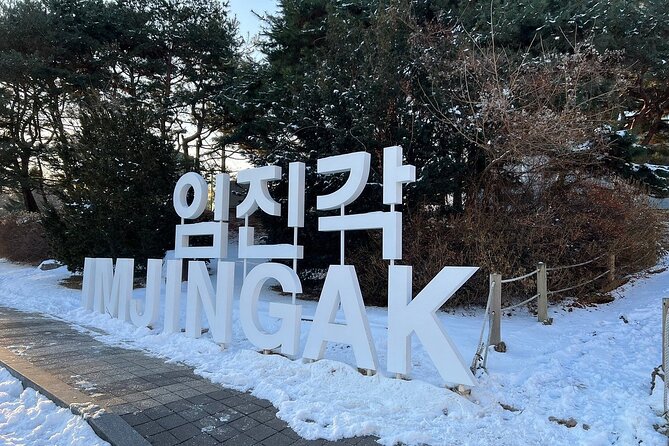
What I especially like is the DMZ pacing and focus, from Imjingak Pyeonghoa-Nuri Park to Dorasan Observatory, plus a guided stop deep enough to make the infiltration tunnel feel real. On the Seoul day, you are not stuck in one neighborhood either, you hop from Jogyesa Temple to Gyeongbokgung Palace, then head to Insadong and Namdaemun.
One thing to consider before you book: this is a structured itinerary, and some parts can feel rushed if you want to linger. Also, inside the tunnel, you may feel cramped, and you can find that printed information is limited in English in some areas.
Key highlights worth waking up for
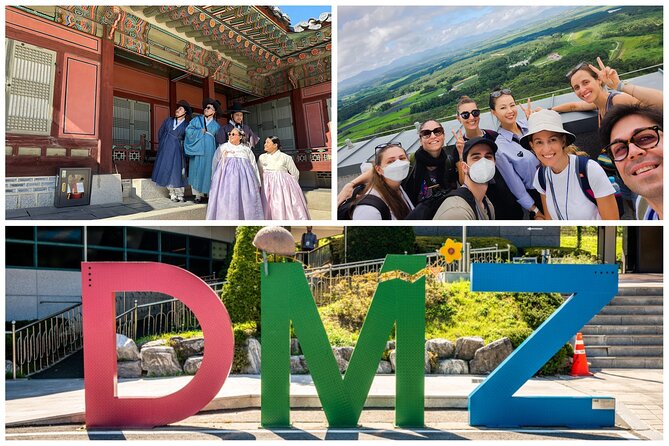
- Imjingak Pyeonghoa-Nuri Park memorial stops like the Iron Horse and the Mangbaedan altar (Chuseok tradition)
- Bridge of Freedom and the story of returning prisoners in 1953
- 3rd Infiltration Tunnel walkthrough (1,635 meters long) with an option to wait outside if needed
- DMZ Theater with a short 7 to 8 minute conflict video from a South Korean perspective
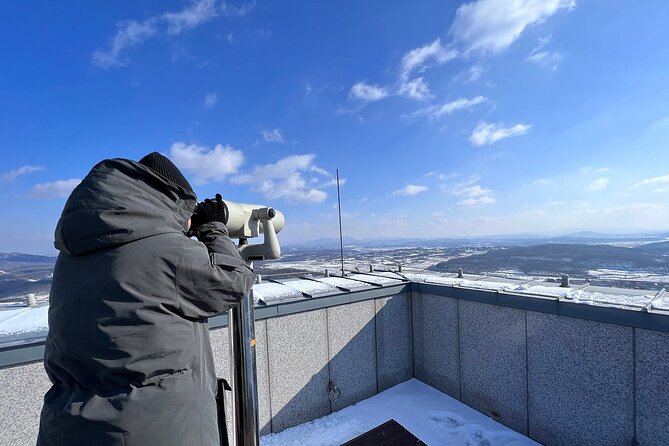
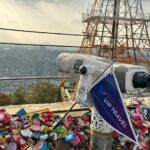
- Dorasan Observatory binocular viewing for propaganda village views and sights toward Gaesong on clear days
- Seoul classics with smart variety including Jogyesa, Gyeongbokgung (not Tuesdays), Insadong, and Namdaemun
Two days that actually connect: DMZ first, then Seoul
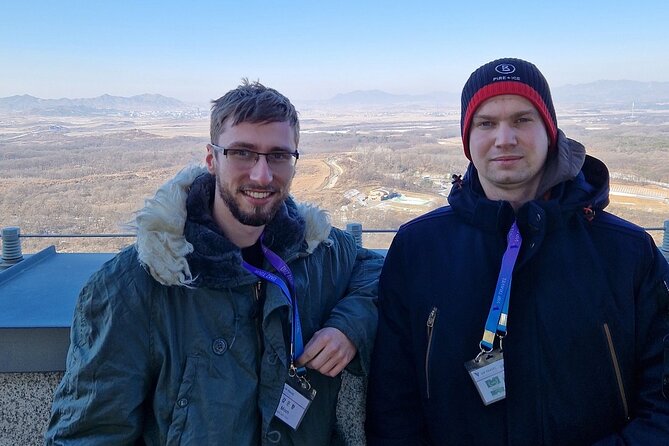
This tour is built like a contrast program. Day 1 goes straight to the Demilitarized Zone area, where you walk through history that is still close enough to feel political, personal, and immediate. Day 2 then shifts gears into Seoul’s cultural core, where temples and palaces help you understand how Korea thinks about identity, ceremony, and daily life.
The value piece is not just that you get two days. It is that the itinerary gives context before the big moments. On the DMZ side, you do memorial grounds first (Imjingak), then historical infrastructure (Bridge of Freedom and the tunnel), then a brief orientation film (DMZ Theater), and only after that do you go to the best viewing angle at Dorasan Observatory. That order matters, because otherwise you would just be snapping photos at isolated points.
You will travel in an air-conditioned vehicle, and it is capped at up to 100 travelers, which is large but still manageable for a guided format. The tour also includes pickup, uses a mobile ticket, and is priced at $110 per person for the full two days, with all fees and taxes included.
You can also read our reviews of more guided tours in Seoul

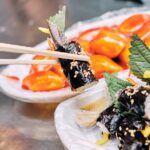
Price and value: what $110 buys you here
At first glance, $110 for two days sounds like a deal. The real question is what is bundled, and it is pretty solid based on what is included.
You are getting:
- Guided visits across both days (including a “best tour guide” promise from the operator)
- Air-conditioned transport
- All fees and taxes
- Admissions at most stops, with a 30-minute ginseng museum stop that is free
And you are not getting:
- Lunch
- Any accommodation
For most people, the big cost savings is the admissions and the logistics wrapped together, especially on the DMZ day, where the sites are spaced and access is structured. If you were planning this on your own, you would likely spend time coordinating transport and entry, then still hire a guide to make sense of what you are seeing.
The only practical downside is that lunch is on you. If you do not want to decide where to eat twice, plan for a quick lunch suggestion from your guide and keep some cash or card ready for market snacks.
Day 1 at the DMZ: walking from memory to observation
Day 1 is the emotional spine of the whole trip. You start at Imjingak Pyeonghoa-Nuri Park, then work toward the tunnel and the DMZ viewing areas.
Imjingak Pyeonghoa-Nuri Park: Iron Horse, Mangbaedan, and the peninsula pond
This stop is a memorial landscape. Imjingak Park was built as a safe space for refugees coming from North to South Korea during the Korean War. You learn how a railway connection once existed between the two countries and was removed during the conflict. That framing helps you understand the rest of the day as more than sightseeing.
A few specific things to watch for:
- The Iron Horse train display inside the park
- The Mangbaedan altar, where refugees bow to ancestors facing the direction of the graveyard (connected to Chuseok, Korean Thanksgiving)
- The Unification Pond, shaped like the Korean peninsula, which is an easy photo moment
- The Peace Bell
Photo tip: the Unification Pond is where you can slow down and get clean angles without needing to rush. If you are the type who likes to read every sign, also know that time is limited here, so prioritize the story points that you can connect to later stops.
Bridge of Freedom: follow the footsteps of returning prisoners
Next is the Bridge of Freedom. It is tied to a 1953 story, when it was built for the liberation of 12,773 prisoners, helping South Koreans return home from the North. Even if you do not read every plaque, the meaning is straightforward when your guide ties it together.
This stop is also practical because it gives you a stretch of walking and a strong backdrop. You will likely take photos here, and the layout makes it easy.
One consideration: if you want silence and space to process, be aware that this is a guided group experience, so you will share the moment with others moving through on schedule.
You can also read our reviews of more city tours in Seoul
The Third Tunnel: real scale, plus a closed-space reality check
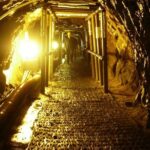
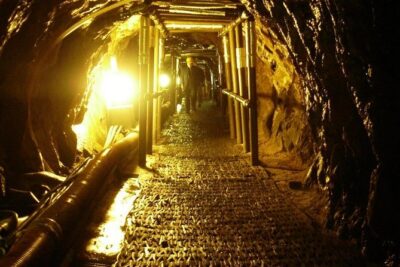
Then you go to the 3rd Infiltration Tunnel, discovered in 1978. The numbers help you understand the intent: about 1,635 meters long, roughly 2 meters high, and 2 meters wide. The tunnel was designed to be used to invade the South, and the tour explanation includes the idea of moving an entire division per hour.
The most important practical part is comfort. The tour notes that if you are not comfortable in closed spaces, you can wait by the exit. Use that option if you need it. This is the stop most likely to affect your mood and body, not because it is unsafe, but because it is tight, enclosed, and will not feel like normal walking.
Also, when the tunnel was discovered, North Korea alleged that the South built it for a surprise attack, but evidence points the other way. That historical back-and-forth is the kind of detail you want a guide for, because it prevents you from treating the site as a single simple story.
DMZ Theater: a short film that puts the day in order
After the tunnel, the DMZ Theater serves as a reset. You watch a 7 to 8 minute video about the Korean conflict and how the DMZ came about, with a South Korean perspective on today’s situation. It also ties in the infiltration tunnel context, so it feels like the missing explanation after your physical experience underground.
This is not long. If you prefer learning in short bursts, this works well. If you expected a full museum experience, keep your expectations aligned. Think of it as orientation, not a replacement for independent research.
Dorasan Observatory: your best shot at the border view
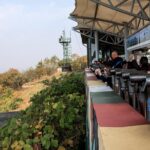
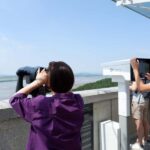
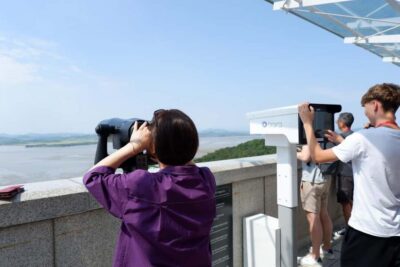
Finally, you reach Dorasan Observatory, one of the top highlights on this tour. It sits at the closest point toward North Korea, and the tour emphasizes that clear days are best. You use high powered binoculars on the third floor for extra precision.
From here, the tour description includes the ability to see:
- The North’s propaganda village inside the DMZ
- Views as far as Gaesong, described as the ninth-largest city in North Korea
- On a lucky clear day, the bronze statue of Kim Il-sung
Even if you do not catch every detail, the act of looking through the binoculars is the kind of moment that sticks. It is one thing to read about the DMZ. It is another to stand at a designated viewpoint and scan the line as if the question is happening in real time.
Day 2 Seoul essentials: temples, palaces, and shopping that feels Korean
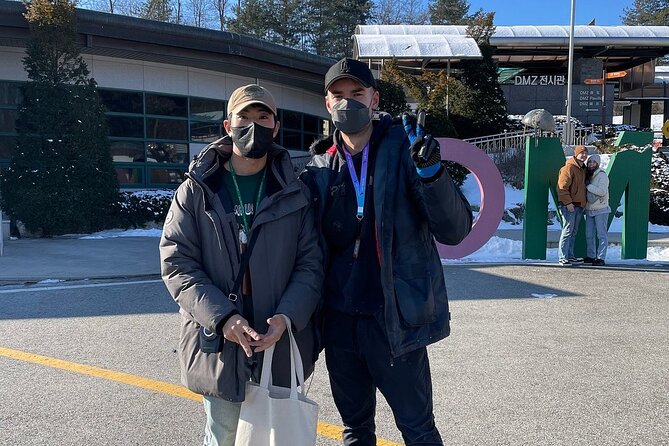
Day 2 is calmer in tone but still substantial. You cover downtown spiritual space, Joseon-era grandeur, a museum with artifacts tied to royal life, and two major shopping areas.
Jogyesa Temple: downtown Buddhism with a living feel
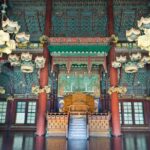
You begin with Jogyesa Temple, established in 1935. It is located in downtown Seoul and is known for an ancient white pine tree. The tour also mentions key entry steps like passing through the Iljum pillar gate, which symbolizes the division between the living world and the holy Buddha world.
This stop is about atmosphere. The value is that you get a temple that is not just a “photo set.” It is part of the city’s daily rhythm, and the guide’s pacing helps you notice details instead of rushing past them.
Practical note: you will be in an active city area afterward, so wear shoes that can handle walking, and be ready for crowds near famous sites.
Gyeongbokgung Palace: the Joseon main stage, minus Tuesdays
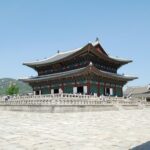
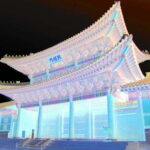
Next is Gyeongbokgung Palace, the main home of the Joseon Dynasty, constructed in 1395. It is a huge complex with 7,700 rooms, and the tour explanation includes damage history from the Imjin War and later destruction under Imperial Japan, followed by ongoing restorations.
You will walk the grounds and use the restoration story to imagine what it once looked like.
Important for your planning: the tour states Gyeongbokgung Palace is except Tuesdays. If your dates land on a Tuesday, your itinerary may adjust. Build flexibility into your expectations and ask your guide what the day looks like once you are there.
National Folk Museum of Korea: royal artifacts and lived-in details
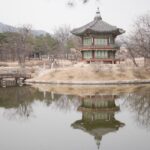
Then you head to the National Folk Museum of Korea, which is described as closed on Tuesdays. The museum holds about 45,000 artifacts and royal treasures connected to Joseon Dynasty palaces and the Korean Empire, including 14 national treasures.
If you like understanding daily life rather than just big buildings, this stop helps. The tour frames it as a way to grasp what it felt like to live as a Joseon king and queen.
Time is limited here at 20 minutes, so use it like a sampler. I recommend you focus on what catches your eye and let your questions guide you rather than trying to absorb everything.
Insadong: arts and crafts, plus snack time
After the museum, you go to Insadong, known for arts and crafts stalls. The tour description highlights that many items are hand-crafted, and it includes practical time to walk the main street and also explore side alleys for ceramics and food vendors.
There is even mention of fun snack culture, like waffle bars made with matcha and plum tea. The market is a good place to buy small, thoughtful souvenirs rather than only mass-produced items.
One real advantage here is human scale. Insadong feels easier to wander while still being guided enough to keep you on track.
Namdaemun Market: big variety, good for souvenir hunting
Next comes Namdaemun Market, described as one of the oldest and largest markets in South Korea. The tour notes variety from crafts and clothing to electronics and fashion, plus a lively mix of history and modern Seoul life.
This is a good final shopping stop because you can handle broad browsing at your own pace during the allotted time. If you want to hunt for gifts, do it here. If you just want a snack and a memory, this is also a safe bet.
Ginseng Museum: a short, free add-on
You end with a ginseng museum stop for 30 minutes, and it is listed as free. It is brief, so treat it as a quick informational stop rather than a deep medical lesson.
The guide factor: why Kelly and Wendy matter
The reviews are clear on one point: a strong guide can make this itinerary feel understandable instead of overwhelming.
In the DMZ portion, one review calls out Wendy by name. The comment mentions she kept the group on time and highlighted the important parts. That matters on the DMZ day, because the sites are meaningful but easy to treat like a checklist.
On the broader experience, another review credits Kelly for being amazing and very knowledgeable. That lines up with what this itinerary demands: you are seeing memorial symbolism at Imjingak, political logistics at the tunnel, and viewing angles at Dorasan. Without a guide to stitch the “why” together, you may miss the emotional logic of the order.
So when you book, trust that the tour is designed around the guide. If you like asking questions, you will get more out of it.
What to expect day to day, and how to prepare
This is a full, structured two-day plan. You do not just drop in and leave, you move stop to stop on schedule. That is good if you want value and context. It is less good if you only want leisurely wandering.
On the DMZ day, plan for:
- A mix of walking and standing for viewpoints
- A tunnel stop where closed space could affect you
- Limited time to read every sign, especially if information is not in English everywhere
On the Seoul day, plan for:
- Longish sightseeing blocks, including palace grounds time
- Market browsing time where you can snack and shop
- Tuesday constraints, since both Gyeongbokgung and the National Folk Museum are indicated as closed or excepted on Tuesdays
Bring what helps you enjoy the day, not just what helps you survive it: comfortable shoes, sun protection, and a camera you can use quickly. If you are sensitive to tight spaces, be ready to use the option to wait outside at the tunnel exit.
Should you book this DMZ and Seoul city tour?
If you want two days that feel purposeful, I think you should seriously consider it.
Book it if:
- You want the DMZ experience with guided context and admissions handled
- You like a structured route that mixes emotional memorial stops with a clear viewpoint finale at Dorasan
- You also want big Seoul highlights in the same package, like Jogyesa and Gyeongbokgung, then markets for shopping
Skip or adjust your expectations if:
- You hate schedules and want hours of free time at each spot
- You need lots of self-guided flexibility, since this itinerary is paced by design
- You are very uncomfortable with enclosed spaces and do not want the tunnel option at all
Overall, this tour looks like strong value for a first-time Seoul visit that includes a rare once-in-a-lifetime DMZ day, and it does not strand you in one part of the city. For many people, that combination is exactly what makes it worth the price.
More Guided Tours in Seoul

More Tours in Seoul
More Tour Reviews in Seoul
Not for you? Here's more nearby things to do in Seoul we have reviewed


DMZ Day Tours from Seoul, compared.
 ★ 5.0Best DMZ Tour Korea from Seoul (Red Suspension Bridge Optional)From $2941,422 reviews
 ★ 5.0DMZ Tour: 3rd Tunnel, Option(Suspension Bridge, Boat) from SeoulFrom $3521,373 reviews
 ★ 5.0DMZ tour south Korea from Seoul (NK experience hall, defector)From $2620,599 reviews
 ★ 4.9DMZ Insider Tour: 3rd Tunnel, NK Defector Meet & Red BridgeFrom $5015,214 reviews
 ★ 4.8DMZ Tour with Optional Suspension BridgeFrom $455,277 reviews
 ★ 5.0Signature DMZ Tour: Exclusive Defector Talk & Suspension BridgeFrom $274,459 reviews
 ★ 5.0Thrilling Korean DMZ 3rd Tunnel Tour from Seoul + Red Bridge RushFrom $353,097 reviews
 ★ 5.0DMZ Past and Present: Korean Demilitarized Zone Tour from SeoulFrom $372,481 reviews
Browse the lists this tour appears in