
Reviewed · HISTORICAL TOURS
10day Small Group Discover Korea Tour : History, Food and Culture
Jeju to Seoul in one smooth loop. What makes this tour appealing is the private small-group feel with an English-speaking guide, so you are not stuck figuring things out alone. You get a plan that jumps between natural scenery, temples, markets, and modern Seoul, with the guide ready to explain what you are seeing and where to eat.
I also like the way the tour builds in real culture, not just photo stops, starting with the Golgulsa Temple stay and ending with performance and hands-on food. The included NANTA show and the Seoul k-cooking class are especially useful if you want more than sightseeing and actually take something home with you.
The main trade-off is pace and planning pressure. You are covering a lot of ground across multiple cities, and that shows up as early DMZ timing and some meals that are on your own, plus flights can change if weather affects service.
Key Things That Make This Tour Worth Considering
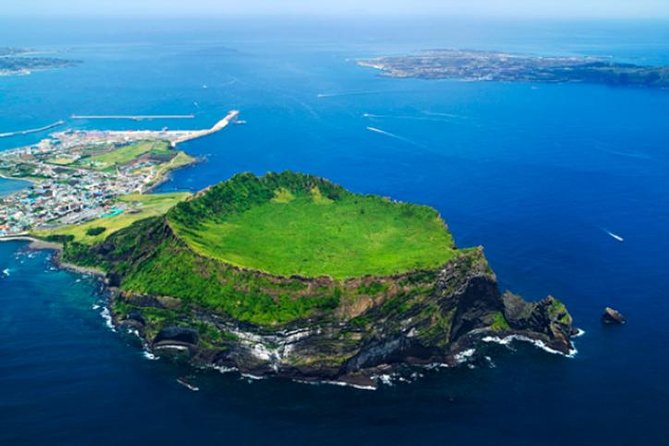
- Jeju volcanic scenery paired with beach time, so you get variety without feeling rushed from one extreme to another
- Temple stay at Golgulsa, which adds a lived-in, quieter side to South Korea’s bigger cities
- Food is scheduled, including Jeonju specialties, a makgeolli-focused dinner, and an included cooking class
- Seoul classics plus old neighborhoods, with palaces, Insadong, Bukchon, and market food all in one run
- DMZ day with clear rules, including first-come timing and a tunnel and observatory visit
Price and Value: Is $3,800 Fair for 10 Days?
At $3,800 per person for about 10 days, you are paying for speed, convenience, and a lot of “managed logistics.” The value shows up in what is included: an AC vehicle, an English-speaking guide, 9 nights in 3.5 to 4-star hotels, domestic flights (Gimpo to Jeju, and Jeju to Busan), and entrance fees for the planned stops.
It also includes meals in a structured way: 7 breakfasts, 7 lunches, and 2 dinners. For many people, that matters more than you expect. When you are moving across islands and multiple cities, having lunch and dinner already mapped out means you spend less time hunting and more time actually experiencing.
One practical note, though: meals not on the plan are still on you. That does not ruin the trip, but it is a budgeting factor, especially in Seoul where quick meals add up fast.
If you want a fixed, guided route that hits the “core highlights” of Korea in one sweep, this price can make sense. If you prefer slow travel with lots of downtime and independent planning, you may find it feels packed.
You can also read our reviews of more food & drink experiences in Seoul
Jeju Island: Goblin’s Road, lava tunnels, and Sunrise Peak views
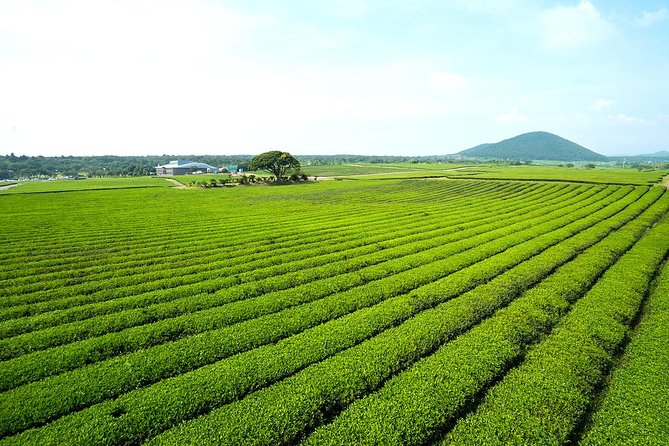
Jeju is where the tour finds its rhythm, starting with a quick flight from Gimpo to Jeju, about an hour, then straight into scenic oddities and volcanic geology.
On the first day, you hit Dokkaebi Road (Goblin’s Road), a weird uphill stretch where the angle tricks your expectations. It’s short, fun, and memorable, and it sets the tone for Jeju: playful, nature-driven, and not afraid of strange roadside stories. You then move into the art side with ARTE Museum Jeju, a video and light arts space that is great when the weather is cloudy or you just want something different between outdoor stops.
From there, the schedule turns scenic again with Spirited Garden, a bonsai garden known for awards and celebrity visits, then Hyeopjae Beach for a proper reset. If you plan to swim, bring a bathing suit, but even without one, the beach area plus cafés nearby make it a sensible break in a busy day.
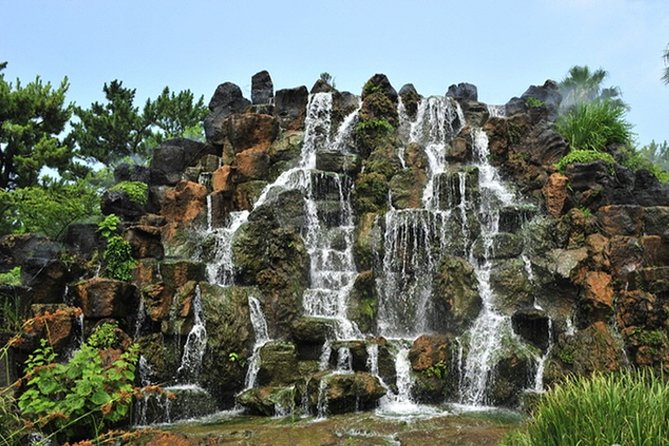
The geology returns with Jusangjeollidae, those famous joint column formations shaped by volcanic activity, followed by Cheonjiyeon Falls, a smaller waterfall that still delivers on atmosphere. Jeju often rewards time outside, and this day keeps you moving but never so long in transit that you lose the sense of place.
The second day is classic Jeju nature, and it is built well for momentum. Manjanggul Cave is first, a long lava tube that makes you look up and slow down. You might find cave conditions cooler or more humid than outside, so plan clothes you do not mind adjusting for.
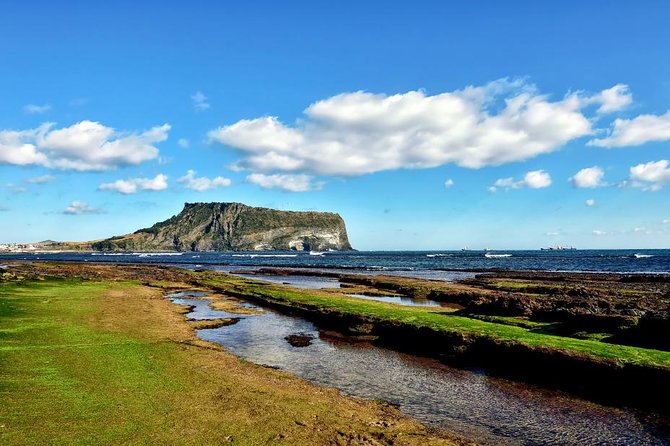
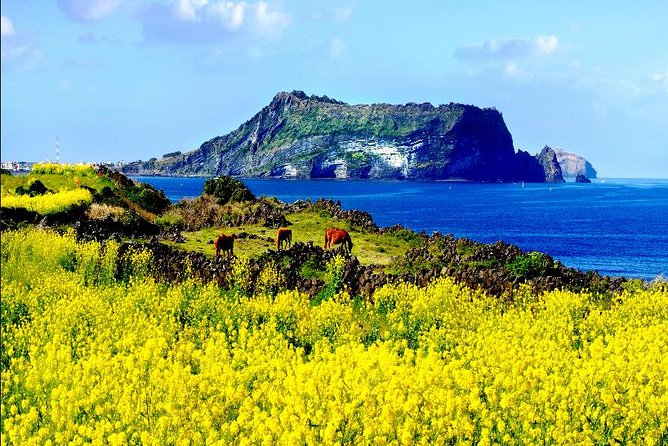
Next is Sangumburi Crater, a large flat crater with wide views from above. Then Gwangchigi Beach for the black sand formed from basalt, followed by Seongsan Ilchulbong (Sunrise Peak). Even if you are not arriving at sunrise, climbing to the top gives you the crater views the site is famous for, plus big sky energy.
You finish with human-scale culture at Seongeup Folk Village, which focuses on indigenous Jeju life at the foot of Mt. Halla. Then there is Dongmun Market, a solid way to eat your way through the island without trying to “research like a local” for every snack.
Busan Coastal Culture: Gamcheon stairs, fish markets, and Haedong Yonggungsa
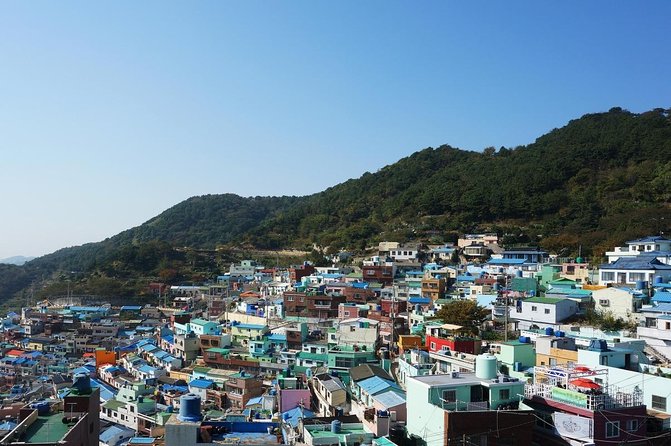
Busan day is all about contrast. You start with Gamcheon Culture Village, where the hillside “stair town” layout makes wandering feel built in. It’s one of those places where streets and viewpoints do the work for you, so you are not dependent on a single landmark.
Then the tour moves to the seaside experience with Songdo Skywalk, plus an optional ocean cable car. The skywalk is a good choice because it gives you elevated water views without demanding a long hike. After that, you shift into food-and-film energy with BIFF Square, a street-festival area that is also a snack mission. The sweet pancakes here are specifically worth planning for.
For seafood intensity, you go to Jagalchi Market, one of Korea’s largest fish markets in Busan. It’s short and interesting, but if you get squeamish, keep it in mind. The point is watching the market atmosphere and seeing what is on offer, not lingering over every display.
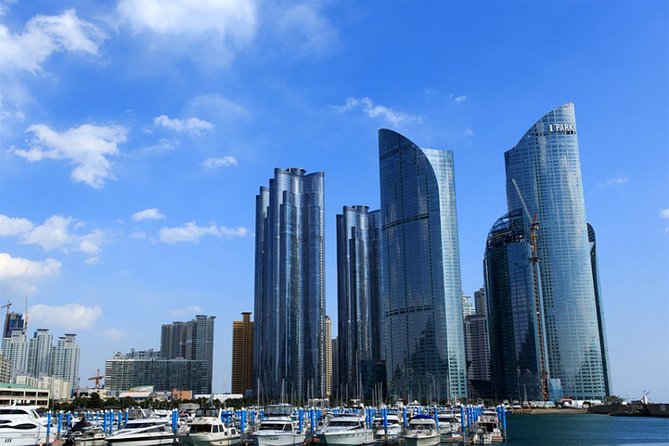
You then get the city-night atmosphere with a stop at Busan’s longest double-decker bridge area. In the evening, the tour description points to light festivals, fireworks, and drone events, so the timing matters. If you are the type who wants a “city lights” finish, this is the slot.
Finally, you close Busan with Haedong Yonggungsa, often described as one of Korea’s most beautiful temples because it sits right by the sea. The shoreline setting changes the mood of temple time. It feels less like you are walking into a monument and more like you are joining a place that breathes with the coastline.
Gyeongju Temple Deep Time: Golgulsa stay, Bulguksa, and Seokguram
Gyeongju is the “slow down” part of the loop, and the tour does it by building in major temple stops. You start with Golgulsa Temple, where you also get a temple stay option included. That matters because you are not just touring temples as objects. You get to experience the space as a living place with its own rhythm.
From there, Bulguksa Temple brings you into Shilla Kingdom heritage with its 1,000-year-old reputation. Then Seokguram follows, known for its standout Buddha statue imagery.
What makes this day work is sequencing. You move from the natural and scenic temple setting toward a place known for an iconic religious artwork, so you are not hopping between unrelated themes. If you like history, this is where the tour leans hardest into Korea’s older layers.
A small consideration: temple sites can involve walking uphill or around uneven ground. Comfortable shoes help more than you think, especially when you are already several days into city-to-city transit.
Gyeongju After Dark: tomb complex, Cheomseongdae, and Wolji Pond nights
Day five is where Gyeongju turns into a mix of monumental history and nighttime atmosphere. You start at Daereungwon Tomb Complex, which is spread across multiple tombs, giving you a wider view of the area’s ancient layout.
Next comes Cheomseongdae, an astronomical observatory that is considered one of the oldest surviving in Asia. Even if you do not love science, the fact that it is tied to observing the sky gives it a different texture than standard “temple and museum” days.
Then you hit culture indoors at the Gyeongju National Museum, including Silla dynasty artifacts and galleries. This is a good way to cool off, especially if it is hot or rainy.
After that, the tour turns to the “night view” stops with Donggung Palace and Wolji Pond, the kind of scene that benefits from dimmer light. You then finish with Woljeonggyo Bridge, described as a night view course.
This is the best part of Gyeongju if you like atmosphere. The tour is not only telling you that the past mattered. It is also showing you why certain sites are worth seeing after dark.
You can also read our reviews of more historical tours in Seoul

Jeonju Food and Hanok Walks: Bibimbab, makgeolli, and viewpoints
Jeonju is a food-centered day, and the tour treats it like that. You go from Gyeongju toward Jeonju with stops in between, including Maisan Mountain and Tapsa Temple. Maisan is described by shape and includes a quick observatory stop, then Tapsa adds the distinctive element of over 80 stone pagodas built by Lee Gapyong.
After that, Jeonju takes over with Jeonju Hanok Village. The tour explicitly calls it a food city, and you get bibimbab plus time to roam. If you like photographing hanok streets, the free time is where you can pace yourself instead of rushing with a group.
Then it is back to historic context with Gyeonggijeon Shrine, which holds the portrait of King Tae-jo. You also visit Jeondong Catholic Church, tied to Roman Catholic martyrs of the Joseon dynasty.
To keep the day from becoming only indoor history, you add viewpoints at Omokdae and Imokdae, observatory areas where you can look down over the village. The day ends with supper at 옛촌막걸리 삼천점, a makgeolli-focused dinner spot where ordering rice wine leads to a spread of dishes on the table.
This ending is one of the tour’s strongest “value for your money” moments. You are not just getting a meal. You are getting a Korean table culture style that the guide sets up for you, so you do not have to decode menus or order strategically alone.
Suwon Fortress on the Way to Seoul: UNESCO walls and fried chicken streets
Suwon is a clever insertion because it gives you UNESCO heritage without derailing the Seoul days. When you travel toward Seoul, the tour stops at Hwaseong Fortress, which is designated as a UNESCO World Cultural Heritage Site.
The payoff is twofold. First, you get a major historic defensive site. Second, you get a modern food reward right after, at the Suwon fried chicken street, where you can find many fried chicken restaurants along the same area. The tour highlights special flavors based on Korean BBQ-style sauce, so you can plan this stop as your comfort-food reset.
If you like seeing a city grow from old stone to everyday street culture, this stop fits perfectly.
Seoul Classics, Market Bites, and Old Neighborhood Strolls
In Seoul, the tour is stacked with “choose-your-adventure” energy, but it stays structured enough that you are not constantly wondering where to go next.
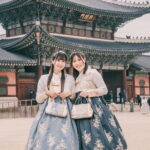
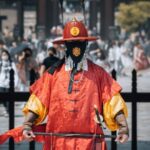
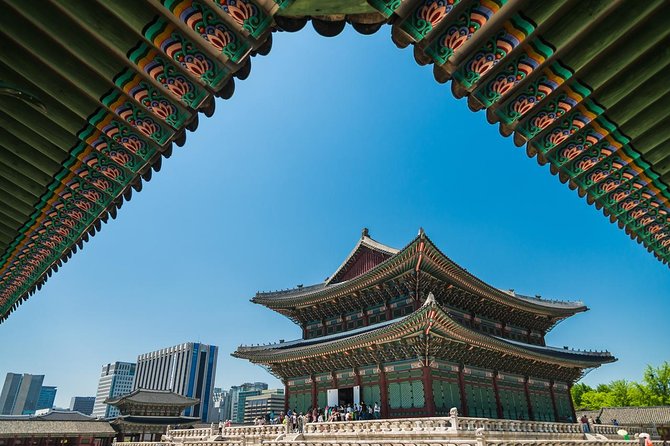
You start with Gyeongbokgung Palace, described as the first and largest palace built by the Joseon Dynasty in 1395. From there, you move into street-life culture at Insadong, known for shopping and art galleries. It is a good place to pick up small gifts without turning it into a scavenger hunt.
Next is Bukchon Hanok Village, where you walk through hundreds of hanok houses packed together. The best part here is the layout itself. It is like a maze of traditional homes, and it changes how you experience the city. You can also get a sense of how preservation works in real urban space.
For food, you go to Kwangjang Market, where you can sample lots of items. The tour calls out mungbean pancakes, Korean donuts, gimbap, ddeokbbokki, and fruit juice. This is one of those stops where you do not need a single perfect meal plan. You can snack your way into the city’s food rhythms.
You finish the day with a big-sky view at N Seoul Tower for a 360-degree perspective over Seoul. Then you add Jogyesa Temple, described as meaningful for Seoul people and known for seasonal festivals.
My advice here: if you enjoy photos, this day can fill quickly. Keep water handy, and plan your energy so you enjoy the palace and the markets instead of speed-running them.
DMZ Day: getting inside a military zone without getting lost
The DMZ day is the most serious and the most rule-driven part of the trip. The tour describes getting into a military zone, which means you deal with procedures and strict timing.
The two key rules mentioned are crucial:
- there is no reservation for DMZ tickets
- it is first come, first served, so you need to meet early
That is not a small detail. It affects your morning schedule and your stress level. Treat that day like an important appointment, not a casual sightseeing day.
Once you are in, you visit the Third Tunnel, dug after the Korean War, and then Dora Observatory, where you can see North Korea with binoculars. The tour also includes Tongil Park (Unification Park), the only village in the civilian control zone where people live, plus shopping for DMZ-related items.
You end with a lighter nature stop at Gamaksan Chulleong Bridge, with a short hike and views over a battlefield area that is now used by locals.
Even if you already know the history, the DMZ is powerful because it is a physical place with constraints. Just remember, you are there under rules, and you get the most out of it when you keep your expectations flexible.
Final Seoul Nights: Myeongdong NANTA, k-cooking class, and a riverside viewpoint
The last day turns the volume up on entertainment and food skills. You start with Cookin’ NANTA (Myeongdong), a famous non-verbal comic show described as using Korean traditional rhythms in a fusion style. It is a strong closing act because you do not need to understand every word to enjoy the performance.
Next is the small group k-cooking class in Seoul, where the menu changes month to month. The tour gives examples like bulgogi, gimbab, kimchi, and pancakes, and it is included. This is one of the best ways to avoid leaving Seoul with only photos. You end up with practical knowledge you can repeat at home.
After cooking, the tour adds Seonyudo for walking with panoramic views of Seoul and Han river scenery, then closes with Myeongdong Shopping Street, famous for street food vendors and late-night energy.
This final sequence works well if you like “memory building.” You get a show, then you make food, then you finish with a lively shopping district where you can buy small things and snack one last time.
Who This Tour Fits Best
This tour is a good match if you:
- want a first-timer-friendly Korea route that covers Jeju, Busan, Gyeongju, Jeonju, and Seoul without juggling flights and tickets
- like food as part of the itinerary, not an afterthought, with Jeonju bibimbab and the Seoul cooking class
- prefer guided context, especially for temples and the DMZ day
- want value from included entrances, meals, and an AC vehicle
It may not be ideal if you:
- hate fast schedules and long travel days
- need every meal fully flexible and unplanned
- want deep focus on only one region, because the design is intentionally broad
Should You Book This 10-Day Korea Tour?
If you want Korea highlights with strong structure, this is easy to recommend. The mix of volcanic Jeju, coastal Busan, historic Gyeongju, food-driven Jeonju, and classic Seoul hits the major “why people come” points, and the inclusion of flights, guides, entrance fees, and a temple stay makes it feel more like a finished package than a loose list of sites.
Book it if you value guidance, want your food built into the day, and you are comfortable with a busy schedule and early starts. Think twice if you want a slow pace or have strict requirements for meal planning outside the included schedule.
When you are paying $3,800, you are not just buying tickets. You are buying reduced mental load, and that can be worth a lot when you are moving across cities and regions in just 10 days.
More Food & Drink Experiences in Seoul

More Tours in Seoul
More Tour Reviews in Seoul
Not for you? Here's more nearby things to do in Seoul we have reviewed


Historical Tours, compared.
 ★ 5.0Evening Dark History, Folklore & Ghost Story Walking TourFrom $42593 reviews
 ★ 5.0Hanbok Photoshoot and History Tour at Gyeongbokgung PalaceFrom $60276 reviews
 ★ 4.9From Seoul: Dae Jang Geum Park Historic K-Drama Set TourFrom $55143 reviews
 ★ 5.0City Highlights and Historical Experience No ShoppingFrom $4974 reviews
 ★ 5.0Street photoshoot and Seoul Hidden gem History Walking TourFrom $4568 reviews
 ★ 5.0Full day Private Gyeongju UNESCO Heritage Tour : a glimpse into SillaFrom $25660 reviews
 ★ 4.5Discover Seoul: Local Life and HistoryFrom $9653 reviews
 ★ 5.0Korean History & Heritage TourFrom $47551 reviews
Browse the lists this tour appears in