

Reviewed · SEOUL FOOD & MARKET TOURS
Seoul: Noryangjin Fish Market Dinner
Fresh seafood gets real fast at Noryangjin. This Seoul fish market dinner mixes a walk through the wholesale stalls with a guide-picked seafood dinner, so you end up eating like a local without doing the hard work alone. I love the scale of the Noryangjin Fisheries Wholesale Market and how the guide helps you navigate what to choose. I also love that you’re not just spectating, you’re eating what you selected, cooked right away.
One thing to keep in mind: this is a seafood-focused night. Also, crab and lobster are not included, so if those are must-eats, you’ll want to ask what options exist for extras.
Quick hits you should know before you go

- Noryangjin Fisheries Wholesale Market scale: one of the biggest seafood hubs in Seoul, trading huge daily volumes
- English live guide support: your guide helps with seafood choice and local know-how
- You eat what you pick: seasonal seafood turns into dinner at a restaurant on the spot
- Small group size: limited to 9 participants for a calmer, easier experience
- Crab and lobster gap: not included, though you may be able to add crab as an extra
- Seafood bravery optional: you might even encounter dishes like alive octopus
Why Noryangjin Fish Market Dinner feels like Seoul for real

If you want Korean food culture without the guessing game, a market-to-dinner night works well. Noryangjin is a wholesale fish world, not a tourist food fair. It’s known for handling roughly half of the metropolitan seafood volume and moving up to about 300 tons of fishery products every day. That means you get variety, freshness, and a sense of how Seoul actually feeds itself.
The best part for me is how the experience is designed around action. You explore the market, then you bring that selection into a restaurant setting where everything is cooked for you. This turns a hectic marketplace into a meal you can enjoy, not just photographs.
Also, it’s an easy way to get context. In the guide’s hands, seafood becomes a story about Korean seafood culture and everyday habits. One guide name you may hear is Lee, and the vibe is practical and friendly, with help that can go beyond food.
Meet at Noryangjin station, then follow your guide into the market
Your night starts near public transit, which matters in Seoul. The meeting point is Noryangjin Station (Line 1), Exit 7. From there, you’re guided to Noryangjin Fisheries Wholesale Market, where the tour focuses on seafood you can actually eat for dinner.
The tour is 2 hours, and the group is small, capped at 9 participants. That size is a real advantage in a market setting. Big groups can feel like a moving crowd, with everyone trying to see and ask at once. With a smaller group, it’s more realistic to ask questions about what’s in season and what you might like.
The tour runs with an English live guide, and that language support helps you get value fast. When you can ask simple questions, you stop treating the market like a museum. It becomes a place where you can understand what you’re looking at.
If you’re deciding whether this fits your travel style, think about what you want from the first half. You want to see how the market works, but you don’t want to stand around trying to figure out what’s safe, fresh, or worth ordering. This format targets that exact need.
Picking seafood at the wholesale market: what you’ll actually do

The tour’s main food moment begins in the market. You’ll browse and choose among seasonal seafood options, guided through the range of what’s available. The guide selects seafood for the restaurant to cook, but the experience is still hands-on in the sense that you’re exposed to the choices in front of you.
This is where the market’s size becomes a benefit. With a place handling such a high volume, the variety tends to be strong. You get a fuller picture of what Korean seafood dining can look like beyond the usual fish-and-rice routine.
A useful detail to carry into your expectations: this isn’t limited to mild, familiar items. Based on what people experience on the night, you may encounter dishes that can include more adventurous seafood preparations, such as alive octopus. If that makes you nervous, you still have control through your conversation with the guide and your willingness to try items that sound manageable.
Practical mindset tip: go in thinking you’ll leave the choice process to the guide, but stay engaged. Ask what each option is and what the flavor tends to be like. The guide’s job is to make the menu make sense, and you’ll get more out of the experience if you treat questions as part of the dinner.
The restaurant cook-off: turning market choices into a real meal

After the market time, you sit down in the restaurant portion of the experience. This is where the tour becomes worth it for most people, because the “how do I order this?” problem disappears.
The tour includes the cooking fee, which matters more than it sounds. In a market where seafood is bought and handled in many different ways, cooking is often where the experience can fall apart for visitors. Here, the cooking step is built in, so your seafood ends up as dinner rather than a mystery transaction.
Your seafood will be cooked and served as a meal in the restaurant setting. This also makes the experience more comfortable. Market time can mean strong smells, loud stalls, and constant motion. The restaurant portion is the payoff, with food you can actually eat and enjoy.
Now, here’s an important constraint to understand up front: the tour states that it does not include any crab or lobster. That means if you’re planning your entire meal around crab or lobster, you might be disappointed unless extras are offered. One guest experience notes that crab can sometimes be added for extra cost, so it’s worth asking your guide early if crab is a top priority for you.
The overall goal is simple. You come in curious, you pick based on what you see and what the guide suggests, and you leave with a plate of Korean seafood food that you can name and explain later.
Seafood culture lessons, not just dinner: what the guide adds

Food tours can be either a meal with a script or a meal with meaning. This one aims for the second. With an English guide, you’re not stuck with silent staring and guesswork.
One guide experience tied to this tour is Lee, described as helpful and friendly, with the ability to share more than seafood facts. Guests also mention learning about Korean seafood and broader Korean lifestyle and language. That matters because the market experience makes more sense when you understand the role seafood plays in daily life.
So even if you’re not a hardcore food person, you’ll likely appreciate the added context. The market is large and intense, but with guidance it becomes legible. You start understanding why certain items are handled the way they are, how seasonal seafood fits local eating habits, and how Koreans talk about flavors and ingredients.
If you like learning through food, this format fits. If you only want a meal and hate walking or talking, keep expectations narrow. Still, the small group size helps you stay comfortable.
Price and value: is $116 for a 2-hour market dinner fair?

At $116 per person for a 2-hour experience, the price is not low. So the only way it feels worthwhile is if you’re getting value beyond just eating seafood somewhere.
Here’s what you do get included:
- Seafood (with the important note that crab and lobster are not included)
- Cooking fee
- Guide
When those pieces are bundled, you’re paying for something most independent diners usually have to juggle. Without help, you might still find a place to eat, but you lose the guidance that tells you what to order and how to make your meal happen quickly and safely.
You’re also buying time and convenience. Markets can be overwhelming, and the restaurant step can be confusing if you don’t know how orders are handled. This tour takes you through that process with a small group and an English guide.
So for value, I’d frame it like this. If you want a guided, low-friction way to eat authentic Korean seafood from one of Seoul’s biggest fish market hubs, this price can make sense. If you already know the seafood shopping and ordering game, you might find cheaper ways to eat. But you won’t get the same organized market-to-restaurant flow.
Who this tour is best for (and who should skip it)

This dinner is a strong match if you meet a few criteria.
You’ll probably love it if you:
- Are excited by fresh seafood and want to eat what the market offers
- Want an English guide to handle the hard parts of choosing and ordering
- Like small groups and a focused meal rather than a long full-day food marathon
It may not be the right fit if you:
- Don’t like seafood in general
- Are specifically chasing crab or lobster as your main priority, since those are not included
- Feel uncomfortable with potentially adventurous seafood dishes, such as alive octopus, that may appear on the table during the experience
Also, note the tour rules: pets are not allowed, so if you travel with one, you’ll need a different plan.
Practical advice for a smoother market-to-dinner night

You’ll get the most out of this kind of tour by planning your expectations like a local meal, not like a shopping trip.
First, decide how adventurous you want to be before you start ordering in your head. The market’s seafood range can include surprising items. If you’re curious but cautious, speak up early to your guide so the selection stays within your comfort zone.
Second, go in hungry. The structure is designed so your work in the market turns into dinner shortly afterward. If you’ve already eaten a big meal, the whole point of the evening loses its punch.
Third, remember you’re in a wholesale environment. It can be intense in the way markets are intense, with lots happening at once. In a small group, you’ll move at a pace that keeps you from feeling lost, but you’ll still want to stay attentive and follow the guide’s cues.
If you have diet limits beyond the crab and lobster note, the most realistic approach is to be clear with your guide. The tour description centers seafood choice and cooking, so your best leverage is communication.
The provider, Honey Trail, and the small-group approach

This experience is provided by Honey Trail. The standout operational detail is the small group, limited to 9 participants, which keeps the tour from turning into a rushed line.
Small group size pairs well with an English-speaking guide because you can actually ask questions and get direct answers. It also helps during market exploration, where crowd control can be the difference between enjoying the experience and just trying to keep up.
If you prefer tours that feel organized, with a clear food end goal, this format tends to deliver.
Should you book the Noryangjin fish market dinner?
Book it if you want a guided way to eat Korean seafood at Noryangjin Fisheries Wholesale Market, then turn those choices into a proper restaurant dinner in 2 hours. The included seafood and cooking fee take away two common travel headaches, and the small group plus English guide makes the experience approachable even if you’re not a seafood expert.
Skip it if you are not a seafood person, or if your dinner must include crab or lobster with no extras. Also, if the idea of adventurous items makes you uneasy, treat that as a sign to communicate your comfort level early.
If you’re the kind of traveler who enjoys practical cultural food moments, this is a solid pick. You get market context, you get real dinner, and you don’t have to figure out the whole process alone.
FAQ
Where is the meeting point for the tour?
You meet at Noryangjin Station (Line 1), Exit 7.
How long does the Noryangjin Fish Market dinner last?
The tour lasts 2 hours.
Is the tour guided, and what language is available?
Yes. It has a live tour guide and the tour is offered in English.
What is the group size limit?
This is a small group with a limit of 9 participants.
What’s included in the price?
The price includes seafood (with no crab or lobster), the cooking fee, and the guide.
Is crab or lobster included?
No. The tour does not include any crab or lobster.
Does the tour include a restaurant meal after the market?
Yes. You pick seafood in the market area, and then your selected items are cooked in the market’s restaurant for dinner.
Are pets allowed on this tour?
No. Pets are not allowed.
What is the cancellation policy?
You can cancel up to 24 hours in advance for a full refund.
Seoul Food & Market Tours, compared.
 ★ 4.9Gyeongbok Palace, Bukchon Village, and Gwangjang TourFrom $322,321 reviews
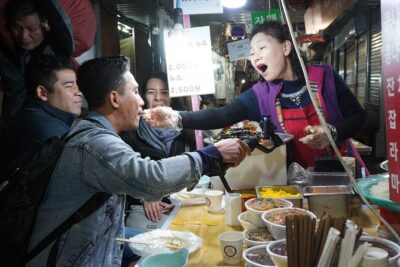 ★ 5.0Seoul Street Food Market TourFrom $731,226 reviews
★ 5.0Gyeongbok Palace, Bukchon Village, and Gwangjang TourFrom $321,044 reviews
★ 5.0Seoul Street Food Market TourFrom $731,226 reviews
★ 5.0Gyeongbok Palace, Bukchon Village, and Gwangjang TourFrom $321,044 reviews
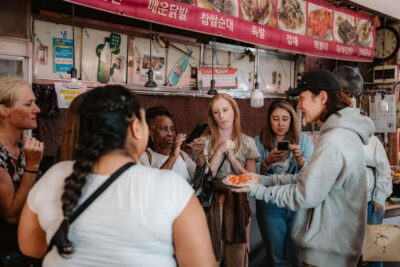 ★ 4.9Night Market Food Tour with Local GuideFrom $73943 reviews
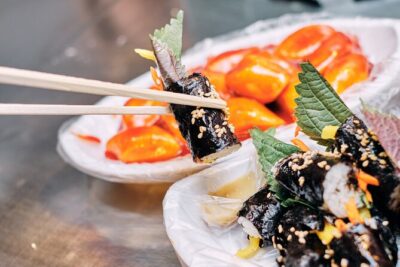 ★ 5.0Downtown Seoul Guided Food & Market Tour with 8+ Local TastingsFrom $98580 reviews
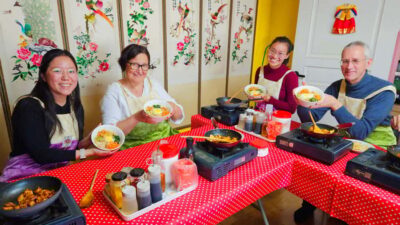 ★ 5.0Korean Cooking Class at a Local Home and Market TourFrom $98348 reviews
Small-Group Night Food Tour in Seoul with Korean BBQFrom $110304 reviews
★ 5.0Korean Cooking Class at a Local Home and Market TourFrom $98348 reviews
Small-Group Night Food Tour in Seoul with Korean BBQFrom $110304 reviews
 ★ 5.0Seoul Night Palace & Market Food Tour with VehicleFrom $79275 reviews
Browse the lists this tour appears in