
Reviewed · SEOUL FOOD & MARKET TOURS
Hidden Stories & Flavors: Traditional Market Food Tour
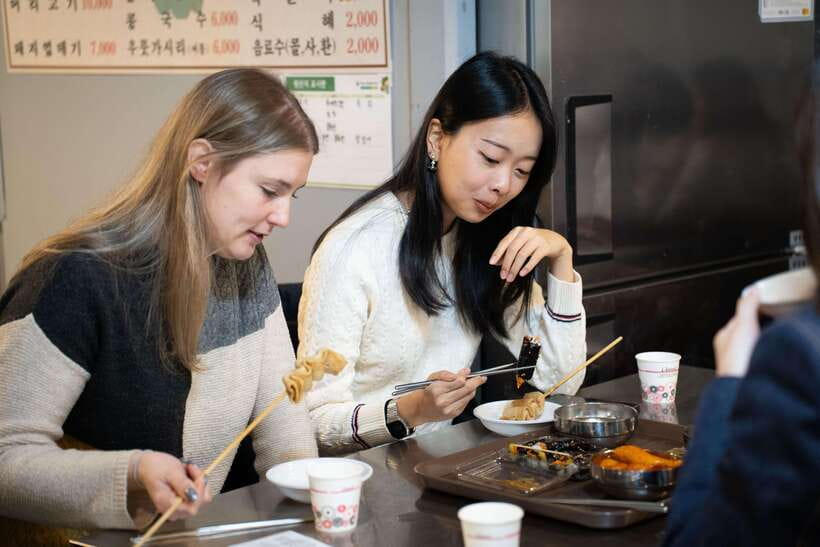
Seoul’s market snacks come with hard truths. At Gwangjang Market, you graze on dumplings, rice rolls, spicy rice cakes, and more, with enough food to feel like you ate a full meal. I also love the way the English guide connects what you’re tasting to real Korea, including stories on Seoul and the peninsula’s division from reserve forces experience. The only drawback: the food adds up fast, so skip a heavy breakfast or you may end up passing on the last bite.
You’ll meet at Jongno 5-ga station, exit 8, then spend 2 hours winding through market stalls with a small group capped at 10 people. The menu is mostly set, but items can shift based on circumstances, so keep a flexible mindset and don’t plan this as a strict checklist.
A big part of why people rate this tour so highly is the guide style. In the best versions of the tour, the guide really slows down when explaining dishes, and keeps the conversation moving, including human stories, not just facts. If you get a guide like Taeseong, you’ll get clear explanations and an easy back-and-forth vibe.
Key things to know before you go
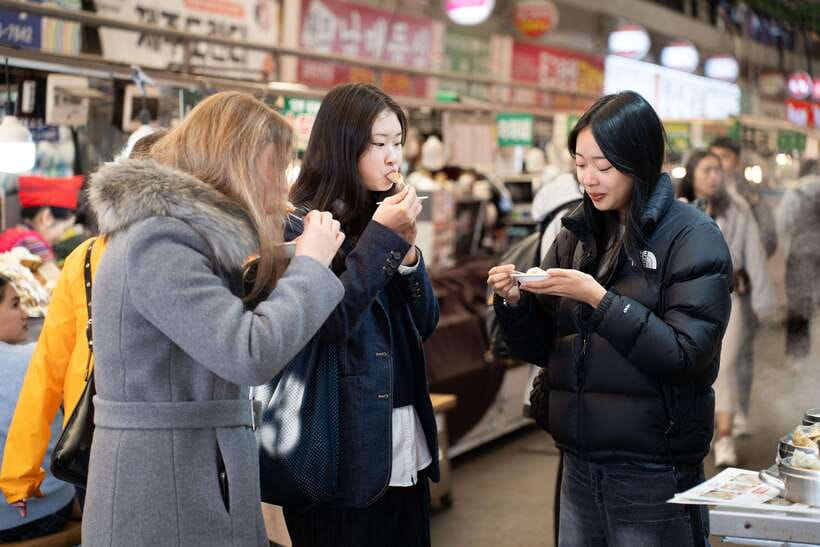
- Gwangjang Market in 2 hours with a tight route, so you do not lose time guessing what to order
- Small group (max 10), which makes it easier to ask questions while you eat
- A full lineup of included bites: dumpling, meatball, Korean hotdog, rice roll, spicy rice cake, fish cake, sweet pancake, and fish-shaped bun
- Stories that go beyond sightseeing, including Seoul reality and the peninsula’s division
- Reserve forces perspective shared by the guide, adding weight to the talk
- Not a history lesson format, so expect context through everyday life and food, not a timeline
Gwangjang Market food with real-world context
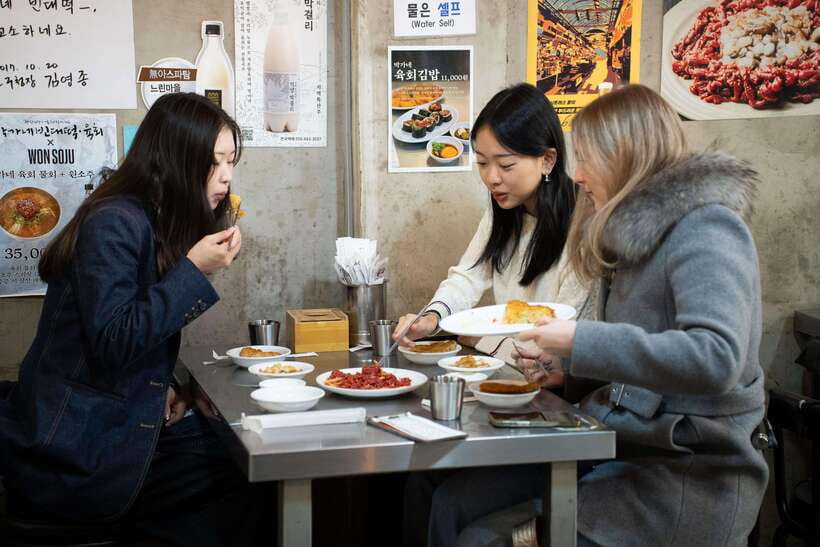
This tour is built around a simple idea: food is a shortcut to understanding a place. In Seoul, that is especially true because markets sit right in the middle of daily life, not off to the side as a museum-like attraction.
You start with classic market dishes, then the guide folds in context about modern Korea as you go. That means you can taste chewy, spicy, savory, and sweet things in the span of one short walk, while also hearing a perspective on Seoul and the peninsula’s division.
Also, it is not just information for the sake of information. The guide ties stories to what you see and what you’re eating, which makes the time feel purposeful instead of like a checklist.
Meeting at Jongno 5-ga Exit 8 and what that means for your day
Meeting at Jongno 5-ga station, exit 8, is handy if you are staying central or want an easy start without complicated transfers. Transit in Seoul can be smooth, but stations are huge, so a clear exit number matters.
Because the tour is only 2 hours, the meeting point sets the rhythm. You do not end up spending half your morning getting oriented, and you can still stack other sights after.
Two more practical notes:
- You will be walking through a market area, so comfortable shoes beat stylish shoes.
- The menu can change, so do not treat the list of foods like a rigid contract.
Inside Gwangjang Market: how the included bites work together
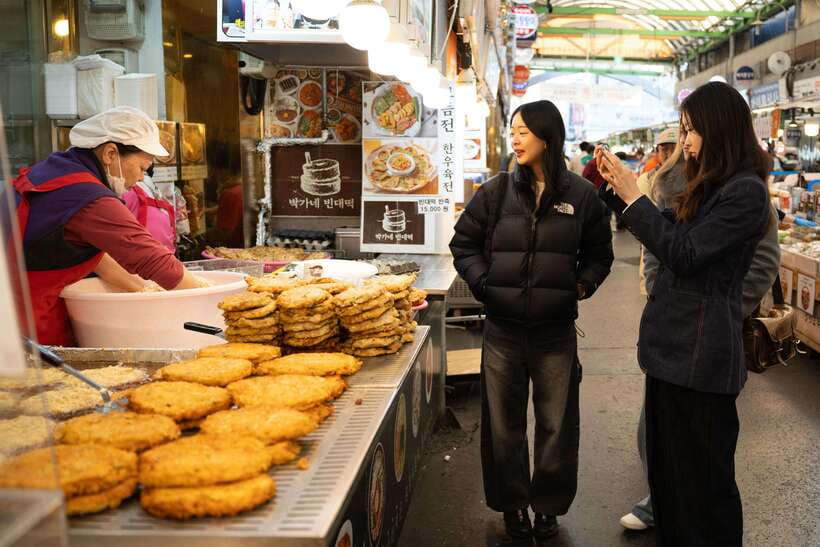
The tour’s best feature is that you do not just sample one or two items. You get a spread designed to hit different textures and flavor modes, so the meal feels balanced even when you are eating “street food style.”
You are included for all of the following, plus water:
- dumpling
- meatball
- Korean hotdog
- rice roll
- spicy rice cake
- fish cake
- sweet Korean pancake
- fish-shaped bun
- water
Here is how that lineup tends to feel as a sequence, and why it is smarter than random ordering:
Dumplings to warm start
Dumplings are a good first stop because they are filling and comforting. You can focus on taste before you get too crowded, too spicy, or too sweet.
Meatball and savory variety
Next comes more savory comfort. Meatballs help break up the dumpling vibe so your palate does not get stuck in one texture.
Korean hotdog for crisp-and-sauce contrast
A Korean hotdog tends to bring contrast, especially if you like crispy exteriors with sauce or toppings. It also gives you something easier to snack on while still feeling like part of a meal.
Rice roll for chew and balance
Rice rolls add chew without being overly heavy. They often act like a palate reset between the hotter items and the sweeter ones.
Spicy rice cake and the heat check
This is where you decide how spicy you can handle. Spicy rice cake is often a red-hot highlight, and it is a smart inclusion because it forces the meal to have range, not just repetition.
Fish cake for umami comfort
Fish cake rounds out the savory section with a different flavor profile. If you want something that feels gentler than the spiciest bite, this one usually does the job.
Sweet Korean pancake for the finale mood
Sweet Korean pancake shifts you into dessert territory while still feeling market-appropriate. It is also a nice way to cap the snack run, since you end on something with comforting sweetness instead of finishing on heat.
Fish-shaped bun for that warm, handheld ending
A fish-shaped bun is a classic market closer because it is warm and easy to hold. It gives you a final bite that feels like you truly finished your tour, not just collected food and walked away.
Tip: if you are sensitive to spicy food, eat the spicy rice cake later in the tour when you know your tolerance that day.
The guide’s stories: Seoul sights, daily reality, and peninsula division
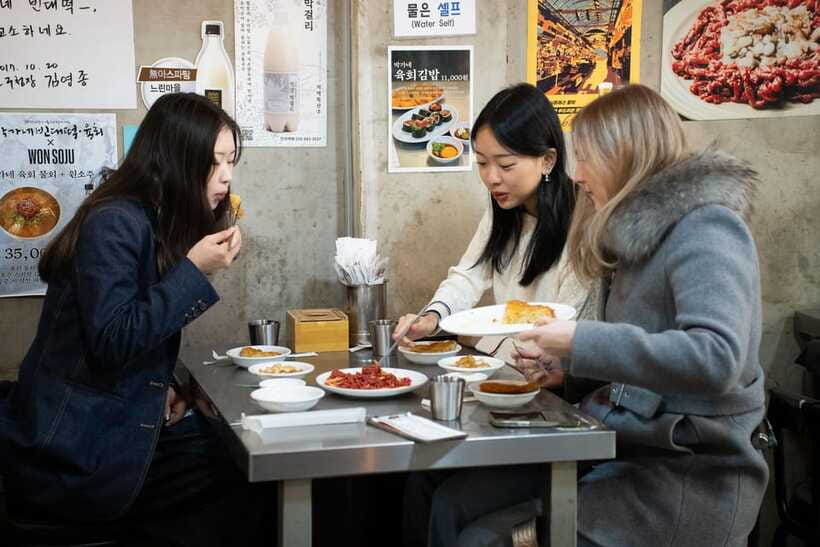
Food tours are usually about flavor and logistics. This one adds an extra layer: the guide’s perspective on what Korea is like now, and how the peninsula’s division shapes everyday thinking.
The tour specifically points to:
- stories about Seoul’s sights, and what life looks like beyond postcards
- realities of the Korean peninsula’s division
- perspectives related to military, grounded in the guide’s own reserve forces experience
That matters because division is not an abstract headline. It becomes a mindset that people grow up with, and it influences how people talk about security, distance, and identity. The way this tour frames it, you are not getting a lecture. You are getting context that makes your meals feel tied to real lives.
A balanced way to approach it as a traveler: listen first, then decide what you want to believe or question. The guide’s reserve forces perspective is meant to add lived texture, not to turn your walk into a debate club.
Also, the tour is not a historical tour in the strict sense. So if what you want is a chronological deep-history class, you may feel underfed. If what you want is context that helps the present make sense, this format fits well.
Portion size: why you should come hungry, but plan smart
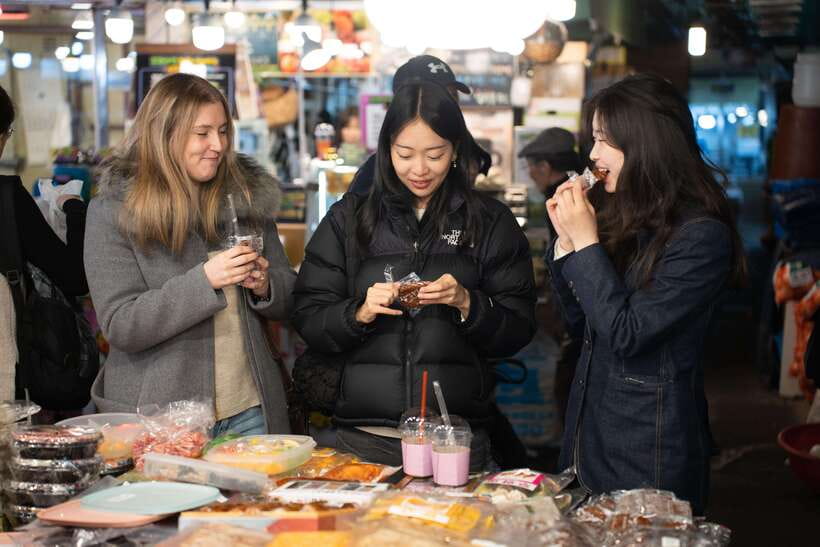
Two hours plus a full included lineup can be a lot. One clear theme from strong feedback is that the portions can be big, which is fun if you eat like a sport. It can be annoying if you arrive already half-satisfied.
Here is the practical approach I recommend:
- Skip a heavy breakfast or have something light beforehand.
- If you normally eat small meals, you can still go, but keep expectations realistic.
- Bring water already, or at least be ready for frequent sips, since you will be snacking repeatedly.
This is the kind of tour where you can accidentally turn it into an “all day later my stomach feels it” plan if you ignore your own pace. The upside is that once you get going, the route keeps you moving, and the food keeps changing, so you are not stuck eating the same thing for the whole 2 hours.
Price and value: what $100 buys you in the real world
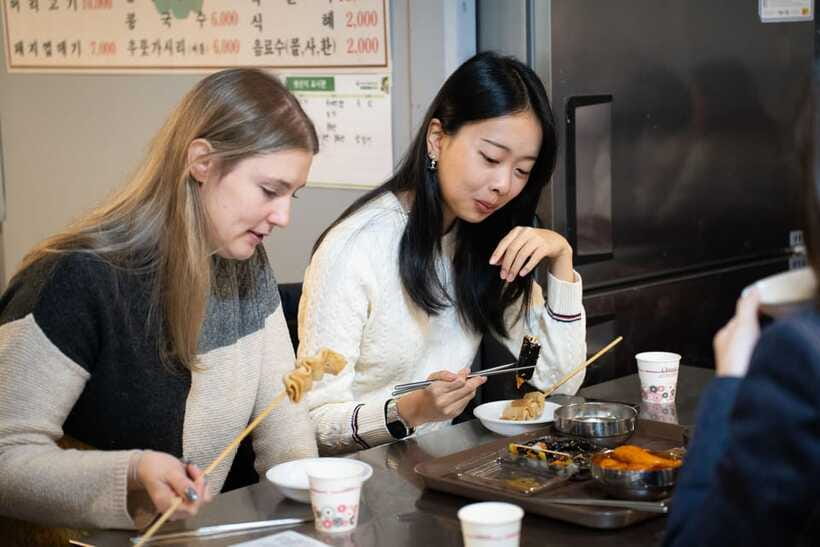
$100 per person sounds like a splurge at first. The key question is what you receive for that money, and this tour answers with three things:
1) A guided route through a market
Markets can be confusing if you do not know what to look for, where to stand, or what’s worth the money. Paying for guidance saves time and reduces the guesswork.
2) A lot of included food
You are not paying for a single dish. You get dumplings, a meat item, a hotdog-style snack, rice roll, spicy rice cake, fish cake, a sweet pancake, and a fish-shaped bun, plus water.
3) English narration that connects food to Korea today
For many travelers, the value is not just eating, it is understanding what you are tasting and seeing. The guide adds stories about Seoul and the peninsula division, including military-related perspective from reserve forces experience.
So is it worth it? If you want a short, high-flavor, English-supported experience, I think it is good value. If you only want one or two small bites and you dislike spicy food, you might not feel the price matches your appetite.
Who this tour is best for (and who should skip it)

This is a great fit if you:
- want your Seoul time to include more than temples and photo stops
- like small-group walking, where you can ask questions
- enjoy food tours that teach something, but not in a textbook way
- are curious about the peninsula’s division and want to hear a grounded perspective from the guide
You might skip it if you:
- want a strict historical timeline focused only on dates and events
- are extremely picky about spice, heat, or fish cake-style items
- prefer super light snack pacing, not a meal-like sequence
In other words, it fits people who want both comfort food and context, and who like talking to a guide as you eat.
Not a history tour, and why that’s still useful
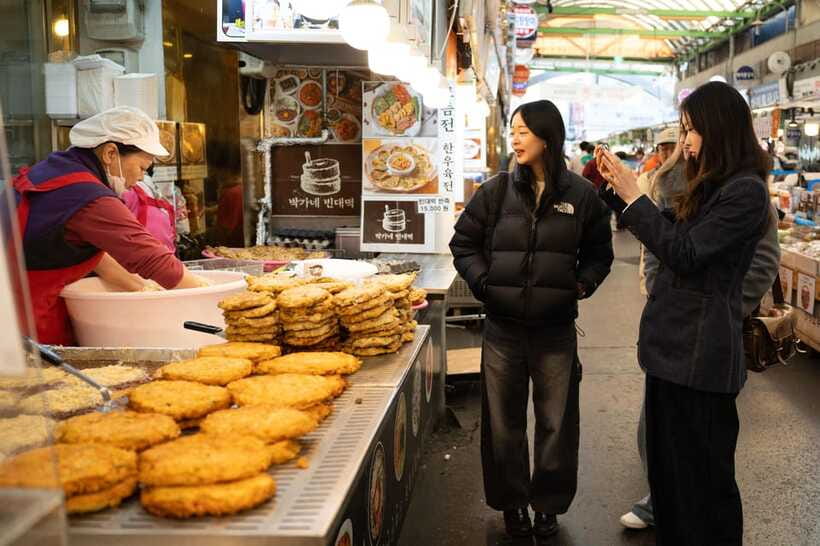
The tour is clear about one thing: it is not a history tour. That choice shapes everything.
Instead of trying to cover Korea’s full past in 2 hours, it focuses on modern reality and perspective. You get stories about Seoul’s sights and what life feels like, plus the realities of the peninsula’s division, tied to the guide’s own reserve forces experience.
This approach is often more useful for travelers because you can connect it directly to what you see on your trip. You taste a range of foods, then you hear why certain realities matter to people now. It is context you can carry with you while you keep sightseeing.
Also, the menu may change depending on circumstances. That is normal for market tours. It is one reason I recommend you treat this as a guided tasting experience, not a strict list.
Should you book Hidden Stories & Flavors?
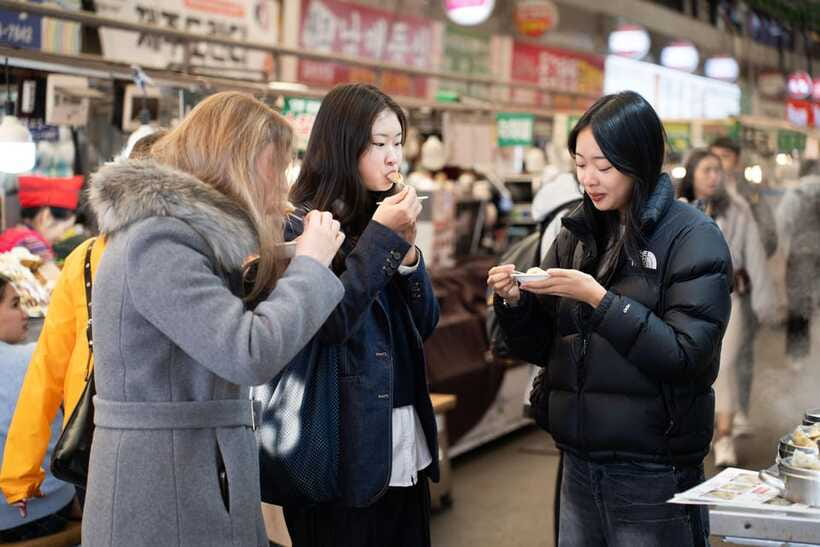
I would book this if you want a 2-hour Seoul market plan that is heavy on food, light on confusion, and rich in modern context from an English-speaking guide. The $100 price makes more sense when you factor in the amount of included bites and the fact that someone is translating the “why” behind what you’re seeing.
Skip it if you want a classic history lecture or if you know you hate the idea of eating multiple dishes back-to-back.
If you do book, come hungry, wear comfortable shoes, and be ready to talk. This is the kind of tour where you leave with full hands, full stomach, and a different lens on everyday Korea.
FAQ
How long is the Traditional Market Food Tour?
The tour duration is 2 hours.
Where is the meeting point?
Meet at Jongno 5-ga station, exit 8.
What food items are included?
The included items are dumpling, meatball, Korean hotdog, rice roll, spicy rice cake, fish cake, sweet Korean pancake, fish-shaped bun, and water. The menu items may change based on circumstances.
Is this tour a historical tour?
Please note this is not a historical tour.
Can I get a full refund if I cancel?
Yes. You can cancel up to 24 hours in advance for a full refund.
Is there an English guide and what is the group size?
The tour has a live English tour guide, and it is a small group limited to 10 participants.
Seoul Food & Market Tours, compared.
 ★ 4.9Gyeongbok Palace, Bukchon Village, and Gwangjang TourFrom $322,321 reviews
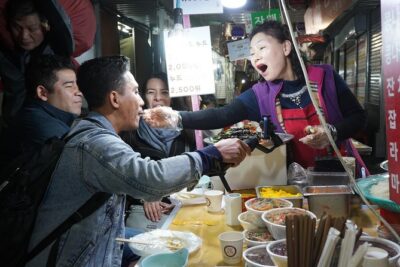 ★ 5.0Seoul Street Food Market TourFrom $731,226 reviews
★ 5.0Gyeongbok Palace, Bukchon Village, and Gwangjang TourFrom $321,044 reviews
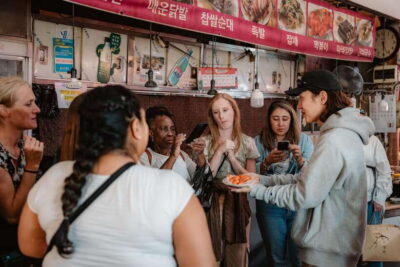 ★ 4.9Night Market Food Tour with Local GuideFrom $73943 reviews
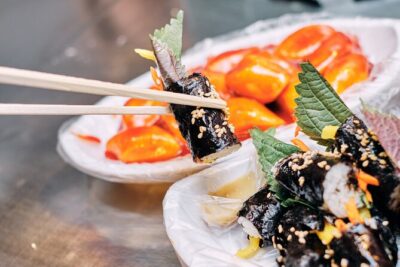 ★ 5.0Downtown Seoul Guided Food & Market Tour with 8+ Local TastingsFrom $98580 reviews
 ★ 5.0Korean Cooking Class at a Local Home and Market TourFrom $98348 reviews
Small-Group Night Food Tour in Seoul with Korean BBQFrom $110304 reviews
 ★ 5.0Seoul Night Palace & Market Food Tour with VehicleFrom $79275 reviews
Browse the lists this tour appears in